40G optical transceivers play a crucial role in high-speed networks. They are fiber optic communication devices used for transmitting data, possessing high-speed data transmission capabilities, and are widely used in data centers, telecommunications operators, and enterprise networks. In this article, we will explore how 40G fiber optic transceivers function in high-speed networks!
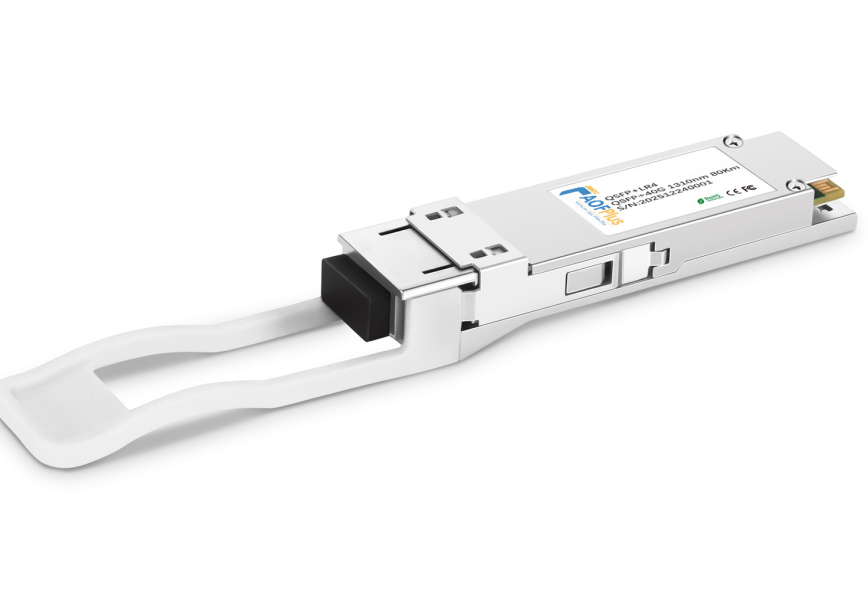
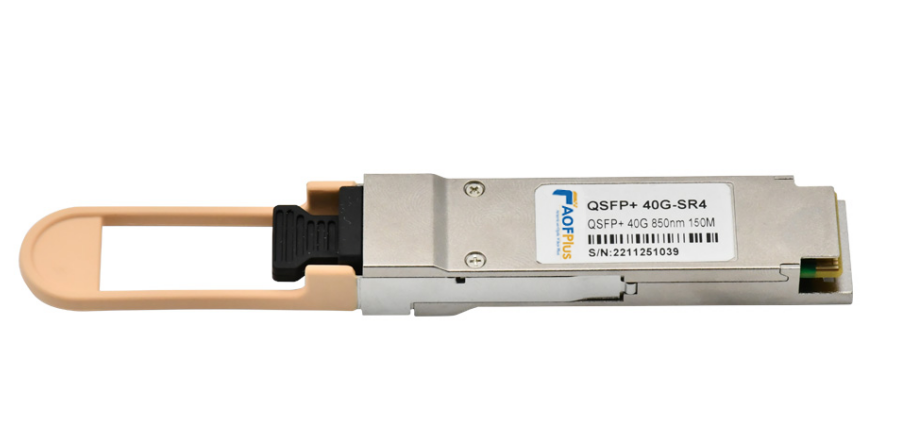
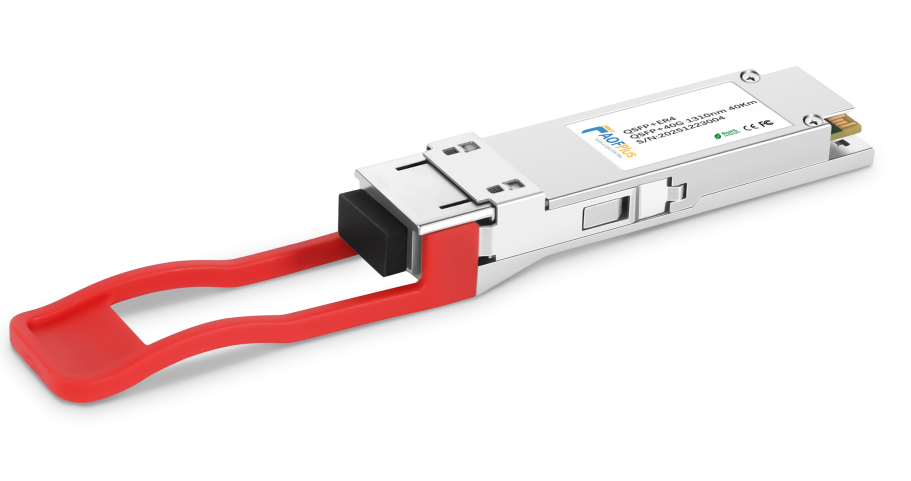
To achieve 40G data transmission, OSFP+ transceiver modules are commonly used. OSFP+ (Quad Small Form-factor Pluggable) is a compact, pluggable fiber transceiver that allows for high-density deployment and can simultaneously transmit multiple channels to achieve 40Gbps data transmission.
40G fiber transceivers typically support various interface standards, such as 40G SR4/PSM4/LR4/ER4/ZR4, etc. This compatibility allows 40G optical transceivers to seamlessly integrate with network equipment from different manufacturers, providing high-speed and reliable data transmission.
The Three Core Advantages of 40G Optical Transceivers
Low Power Consumption And High Density
The multi-mode series transceivers generally consume ≤1.5W, while the single-mode/industrial-grade series consume ≤3.5W. Large-scale deployment can significantly reduce data center energy consumption; combined with the MTP/MPO-12 high-density interface, a single module can integrate multiple optical fibers, enabling more connections within the limited space of a data center rack, reducing cable clutter, and improving space utilization.
Full-scenario compatibility and flexible adaptation
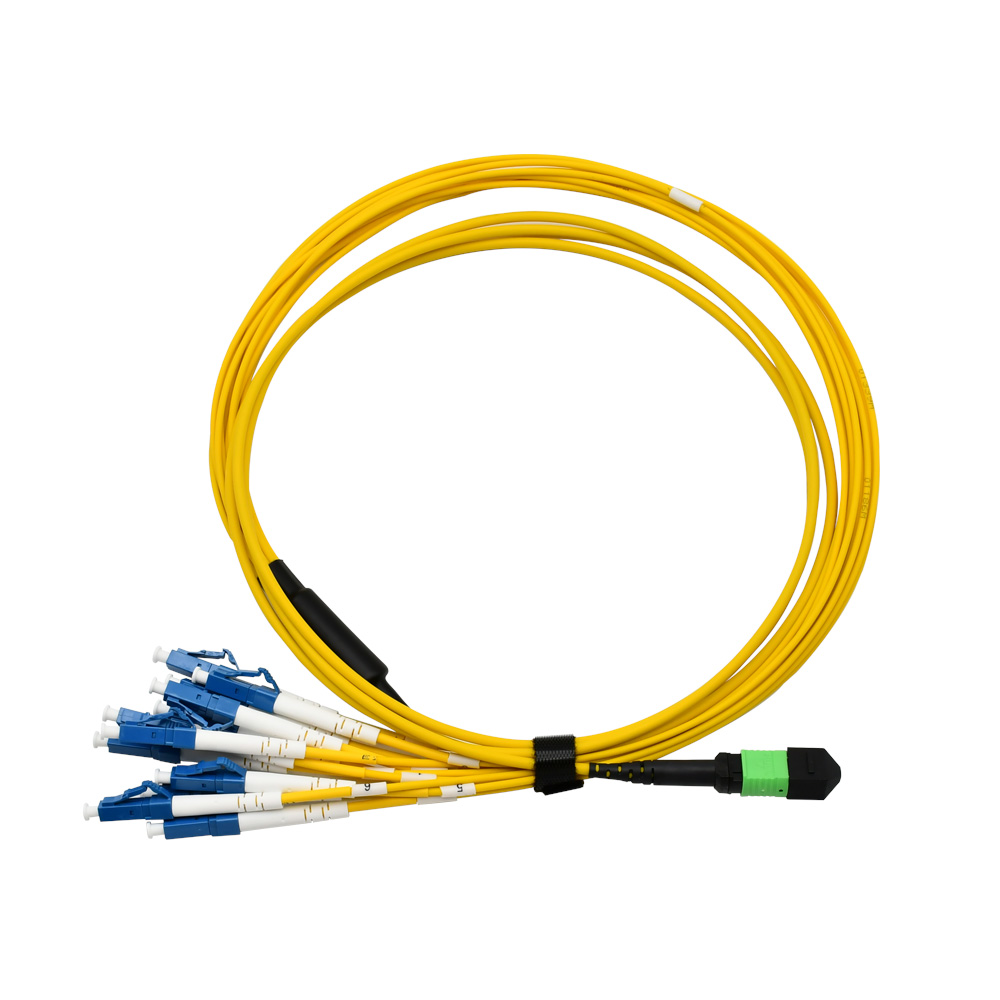
Some optical module models support 40G to 4x10G branching, facilitating a smooth transition from 10G to 40G in data centers and avoiding equipment obsolescence and waste;
Meanwhile, fiber transceivers such as QSFP+-40G-LR4 transceivers can be adapted to both multimode and single-mode fibers, addressing mixed cabling scenarios and reducing selection complexity.
High stability
The 40G fiber optic transceivers, thanks to its superior design and advanced technology, demonstrates exceptional stability. In high-speed data transmission environments, it consistently provides reliable signal quality, ensuring low error rates and strong interference resistance over long distances. Furthermore, modern 40G transceiver modules utilize excellent heat dissipation systems and high-quality components, ensuring outstanding performance even under heavy load. Whether in data centers, enterprise networks, or complex communication systems, the 40G optical transceiver operates reliably, meeting the ever-growing data demands.
Typical Application Scenarios for 40G Optical Transceivers
40G optical transceivers are primarily used for high-speed data center interconnects (server-to-switch, switch-to-switch), Metropolitan Area Networks (MANs), and Enterprise networks and so on , enabling rapid data transfer for cloud, big data, and virtualization by connecting switches, routers. They offer high density, low power, and a cost-effective path to upgrade from 10G, supporting various protocols like Ethernet and InfiniBand.
In Data Centers , 40G optical transceivers connect servers, storage, and switches for cloud, big data, and virtualization, often using QSFP+ SR4 transceivers for short distances and LR4/ER4 transceivers for longer links.
40G fiber optic transceivers are also important in building enterprise networks, they provide high-speed connections within large enterprise data centers, campuses, and for connecting branches.
Conclusion
40G fiber transceivers are essential for meeting the growing demands of high-speed networks, offering a combination of low power consumption, high density, and exceptional stability. Their versatility in supporting various interfaces and flexible adaptability ensures smooth integration across diverse network environments, from data centers to metropolitan and enterprise networks. As data traffic continues to increase, these modules play a critical role in optimizing network performance, reducing energy consumption, and facilitating seamless upgrades from 10G to 40G. Whether for cloud computing, big data, or virtualization, 40G fiber optic transceivers are the backbone of modern, high-performance networks, enabling rapid data transfer and providing a scalable solution for future network growth.