Optical transceiver can be classified into commercial-grade optical transceiver(0℃ to 70℃) and industrial-grade optical transceiver (-40℃ to 85℃) based on their operating temperature range. Industrial-grade fiber optic transceiver is a robust module converting electrical to optical signals, engineered to function reliably in harsh environments (like factories, railways, oil rigs) with extreme temperatures (typically -40°C to 85°C), vibration, dust, and moisture, unlike commercial optical transceiver(0°C to 70°C) designed for climate-controlled data centers. These hardened components ensure high-speed, dependable data links for critical applications in sectors such as factory automation, intelligent transport, and utilities.
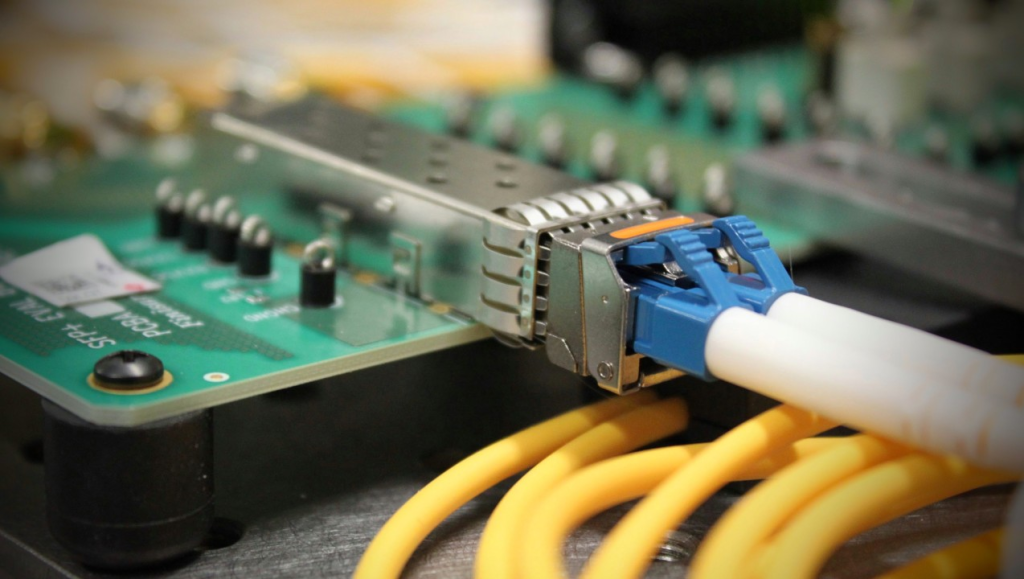
Types of Industrial Fiber Optic Transceivers
Industrial fiber optic transceivers are classified based on different criteria such as form factors, data transmission speed, and fiber type compatibility.
SFP (Small Form-factor Pluggable): Compact and hot-swappable, suitable for various networking applications.
SFP+ (Enhanced SFP): Supports higher data rates (up to 10 Gbps) with improved performance.
XFP (10 Gigabit Small Form-factor Pluggable): Commonly used in telecommunication networks.
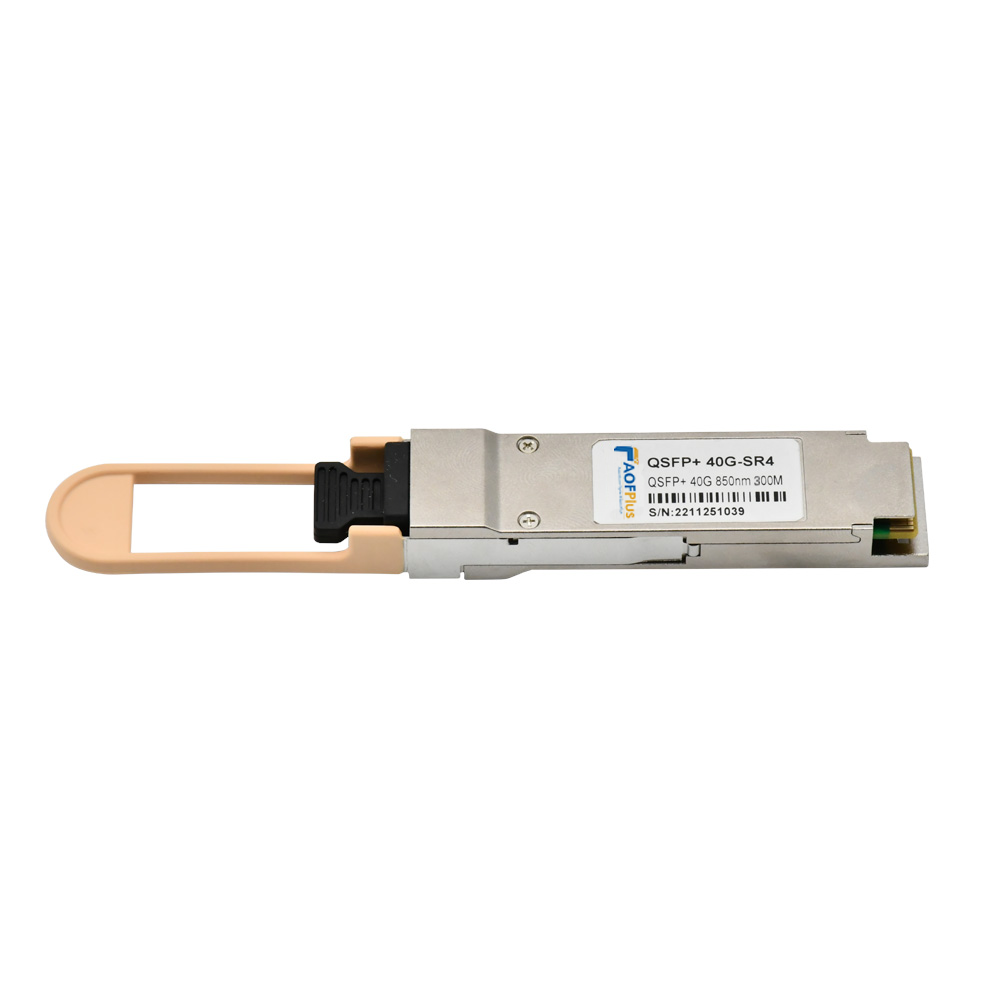
40G QSFP+ (Quad Small Form-factor Pluggable): Used for high-bandwidth applications, such as data centers and industrial automation.
100G QSFP28 extend high-speed 100Gbps links beyond typical data centers, enabling robust connectivity in harsh telecom, enterprise core, and HPC environments.
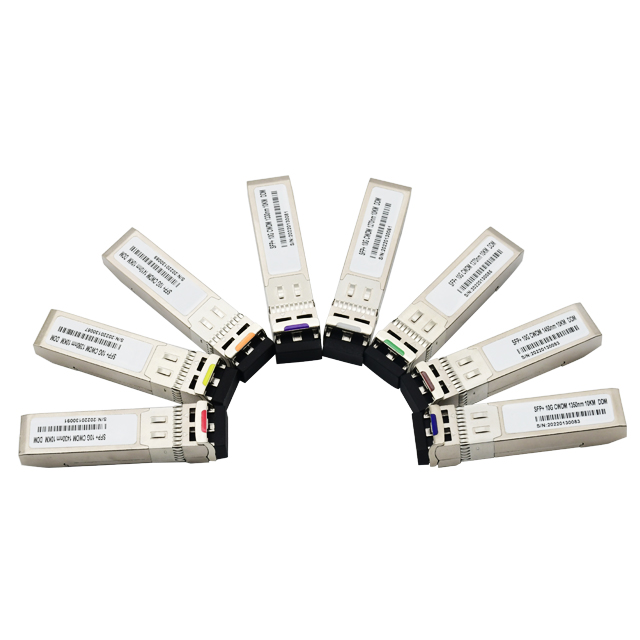
Key Factors to Choose Industrial-grade Optical Transceivers
When choosing industrial-grade optical transceivers, one of the most important factors to consider is the transmission rate. Industrial-grade optical transceivers have different transmission rates, and the application conditions for modules with different transmission rates also vary. The fiber transceiver‘s transmission rate should be selected based on the rate supported by the switch, and the transmission rate is generally backward compatible.
In addition, another important factor to consider is the transmission distance. Generally, single-mode industrial-grade optical transceivers have a longer transmission distance than multi-mode industrial-grade optical modules, but they are slightly more expensive. Therefore, if there are no specific requirements for transmission distance, multi-mode industrial-grade optical transceivers can be prioritized.
Furthermore, industrial-grade transceivers are available in single-fiber and dual-fiber versions. Single-fiber bidirectional transceiver modules are generally more expensive, but they can save fiber resources and compensate for insufficient fiber resources. Dual-fiber bidirectional optical transceivers are relatively cheaper, but require the use of an additional fiber. Users with sufficient fiber resources can choose this option.
Hardware performance is also a crucial consideration. Industrial-grade optical transceivers require hardened components for their electrical components and casing, and both the chip and laser must meet industrial-grade temperature (-40℃ to 85℃) requirements.
Compatibility is also an important factor when purchasing industrial-grade transceiver modules. This is mainly judged by its compatibility with the equipment and other modules. When purchasing optical modules, you can communicate with the vendor to request actual equipment testing to assess its compatibility with the equipment; check whether the optical transceiver’s production standards meet the relevant international standards and whether it has FCC certification. Optical transceivers that meet these conditions are generally compatible with each other.
Applications of Industrial-Grade Optical Transceivers
Industrial-grade fiber optic transceivers are widely used in rail transit, including high-speed rail and subway communication systems, ensuring stable signal transmission and improving operational efficiency.
Meanwhile, in the power communication field, industrial-grade transceivers are used in substation fiber optic communication networks, improving the reliability of power grid operation.
Industrial-grade fiber optic transceiver can also be used in military and defense applications, meeting military-grade anti-interference and wide temperature range requirements, and are widely used in military communications, radar, and battlefield data transmission.
In addition, in highway and smart city monitoring systems, industrial-grade transceiver modules provide stable optical communication support, enabling remote data transmission and real-time monitoring.

Industrial Optical Transceivers VS. Commercial Optical Transceivers
Different operating temperature ranges: Commercial-grade fiber optic transceivers operate from 0℃ to 70℃, while industrial-grade fiber optic transceivers operate from -40℃ to 85℃, corresponding to their supported operating temperatures.
Different application environments: Commercial-grade transceiver modules are generally used in network environments such as enterprise networks, data centers, and server rooms, while industrial-grade fiber transceivers are typically used in harsh environments with large temperature variations, such as remote mountainous areas, outdoor environments, and tunnels.
Different testing methods: Commercial-grade transceiver modules only require normal temperature aging tests, while industrial-grade transceivers require high and low-temperature aging tests, as well as temperature compensation to control the stable operating current supply. Due to increased raw material and manufacturing costs, industrial-grade transceivers are also relatively more expensive.
Conclusion
Industrial-grade optical transceiver s are becoming increasingly widely used and play a crucial role in various fields. AOFPLUS’s industrial-grade fiber optic transceivers utilize brand-new optical components and industrial-grade chip solutions, ensuring high-performance operation in harsh environments, which is your ideal choice.