Using fiber optic cables in telecommunications infrastructure offers many advantages. By the early 1990s, with the increasing popularity of the internet in the public sphere, fiber optic cables began to be laid worldwide. At that time, there was a strong push to build a global fiber optic network to provide the necessary infrastructure to address the problems many believed would arise in the year 2000.
Since then, fiber optics have spread to virtually every country on Earth, forming the backbone of modern communication infrastructure.
For a variety of reasons, fiber optical cables have replaced copper cables worldwide, including the fact that fiber optics can transmit signals over very long distances with minimal attenuation or loss. Furthermore, fiber optic cables are immune to electromagnetic interference, unlike the copper wires they are gradually replacing.
Optical fibers are primarily used as the backbone of modern telecommunications networks. The emergence of fiber optic technology has made broadband internet access widely available to homes and businesses around the world.
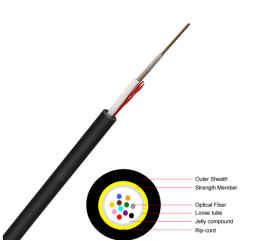
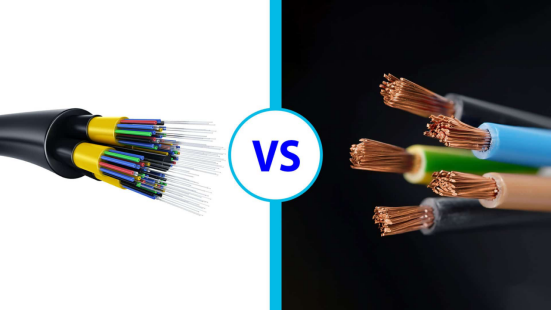
But what exactly are the advantages of fiber optic cables compared to traditional copper cables? Fiber optic cables have many advantages, but also some disadvantages, so we will explore the main advantages and disadvantages of optic cables.
The 6 Key Advantages of Fiber Optic Cable
As our demand for digital technology continues to grow, fiber optic technology stands out, providing the capacity and efficiency needed for our increasingly interconnected world. We will explore the advantages and disadvantages of fiber optic technology. First, let’s delve into the 6 key advantages of fiber optic cables compared to other technologies.
Bandwidth
What is bandwidth? Bandwidth describes the maximum data transfer rate of a network or internet connection. It measures how much data a particular connection can transmit in a given time.
In terms of bandwidth, fiber optic technology ranks first. Firstly, fiber optic transmission speeds approach the speed of light. After all, fiber optics use light to transmit data.
What is the speed of light? The speed of light in a vacuum is 186,000 miles per second (or 300,000 kilometers per second), which is the fastest speed any object can reach.
If we compare the speed of photons (light) and the speed of electrons (used in copper wire transmission), photons travel at the speed of light, while electrons (in copper wire) travel at less than one percent of the speed of light.
While fiber optic cables don’t quite reach the speed of light, their speed is only about 31% slower than the speed of light. Therefore, you can see the huge inherent speed difference between fiber optics and copper wire. Furthermore, fiber optics do not have the inherent 100-meter distance limitation of unshielded twisted-pair copper cables (without boosters). Therefore, transmission distances can range from 550 meters for 10 Gbps multimode fiber to 40 kilometers for single-mode fiber.
While copper cables are sufficient for transmitting voice signals, their bandwidth is limited—whereas fiber optics can provide standardized performance of up to 10 Gbps or even higher.
Fiber optic links offer more than 1000 times the bandwidth of copper cables and more than 100 times the transmission distance. The typical bandwidth-distance product for multimode fiber is 500 MHz/km, so a 500-meter cable can transmit a 1 GHz signal, while twisted-pair cable optimized for high data rates (Cat 6) can only transmit a 500 MHz signal over a distance of 100 meters. Furthermore, signal loss in fiber optics is negligible over a distance of 500 meters, but copper cables experience significant loss at high frequencies.
Low attenuation– Longer Transmission Distances
What is attenuation? Attenuation is a general term referring to any reduction in signal strength. It occurs in any type of signal, whether digital or analog, and is an inevitable consequence of transmitting signals over long distances.
Fiber optic attenuation measures the amount of light signal loss between the input and output ends. Alternatively, it measures the loss across the entire fiber cable, including connectors. The total measured attenuation is the sum of all losses in the fiber optic link. Fiber optic loss is expressed in decibels per kilometer (dB/km).
Compared to copper cables, fiber optic cables have very low attenuation. Therefore, fiber optics are the best choice for long-distance, high-bandwidth data transmission.
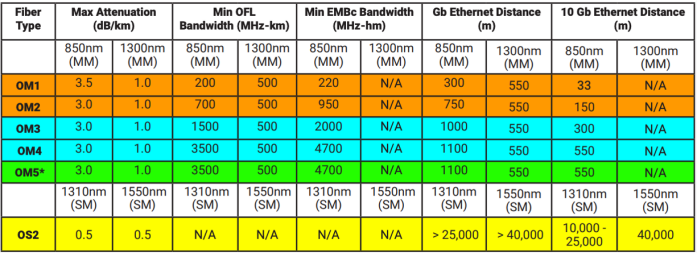
The table below lists some of the most common fiber optic applications and their standard test lengths.
No Interference
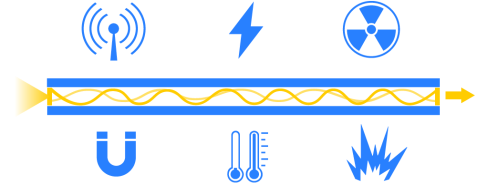
What is EMI or RFI? Electromagnetic interference (EMI) or radio frequency interference refers to unwanted noise or disturbance in an electrical path or circuit caused by an external source. It is also known as radio frequency interference. EMI can cause electronic devices to malfunction, fail, or stop working altogether.
A common example of EMI is the noise or series of beeps that occur when a mobile phone is placed near a powered audio device or speaker.
Fiber optic cables are far less susceptible to various environmental factors than copper cables. For example, copper cables experience significant signal degradation over a distance of two kilometers. Fiber optic cables, on the other hand, can provide extremely reliable data transmission over the same distance. Fiber optics are unaffected by many environmental factors, such as temperature and electromagnetic fluctuations, unlike copper cables. Fiber cables can also be safely deployed next to industrial equipment.
Because fiber optics are a dielectric material, they can be installed in areas where electromagnetic interference (EMI), including radio frequency interference (RFI), is present. High EMI areas include utility lines, power lines, and railway tracks. Furthermore, fiber optics can be submerged in water, as is the case with transatlantic submarine cables connecting the United States, Europe, and other regions.
Strong Security and Safety
Because fiber optic cables do not transmit electrical current, they do not radiate signals and cannot be easily tapped. Copper wires, on the other hand, require electrical current to transmit signals, making them susceptible to eavesdropping, which could potentially cripple the entire system. Hacking into fiber optic lines is not an easy task. Therefore, fiber optics are an ideal choice for those concerned about data breaches. Fiber optics ensure that any tampering can be easily detected. In short, fiber optic networks are more secure than traditional cable networks.
Reduced Long-Term Costs
Fiber optic cables offer exceptional durability and resistance to environmental factors, resulting in significantly lower maintenance and replacement costs over their long lifespan. Furthermore, fiber optic technology provides higher bandwidth and faster data transmission speeds, eliminating the need for frequent network upgrades and reducing the costs associated with regularly updating outdated systems. The superior signal quality of fiber optic cables also allows for greater distances between repeaters, minimizing the number of network components required and their associated costs. In addition, fiber optic networks consume less power compared to traditional copper cable systems, leading to substantial reductions in operating expenses related to energy consumption.
Built for the Future
With the increasing demand for smart homes and remote work, fiber optic broadband is undoubtedly the future. It can support next-generation technologies such as 8K streaming and VR, and is compatible with evolving network equipment.
The 6 Key Disadvantages of Fiber Optic Cable
Despite the many advantages, fiber optic cable isn’t without flaws. What are some disadvantages of fiber cable below we discuss some of the potential disadvantages.
High initial cost
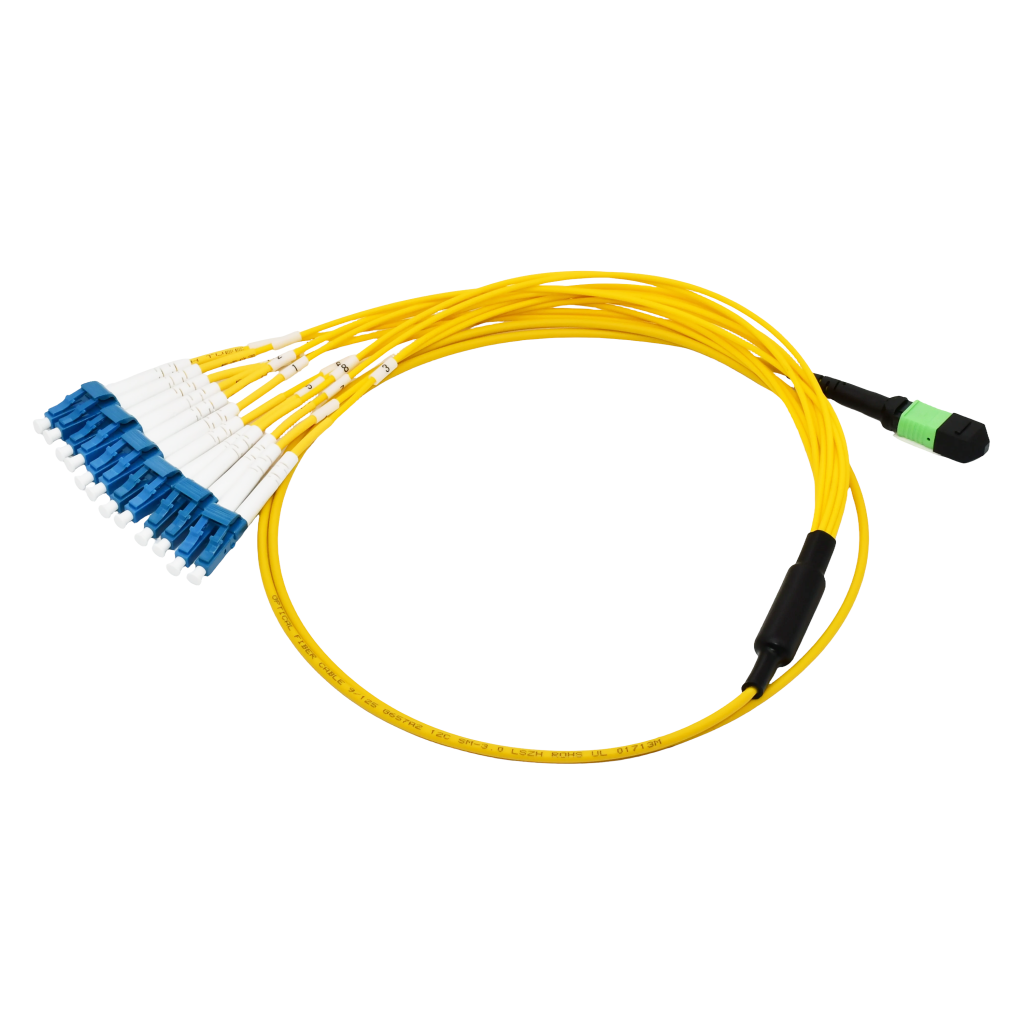
Depending on the type of optic cable, its cost can be significantly higher than traditional copper cable systems. The cable itself, specialized equipment, and the skilled technicians required for installation all contribute to increased upfront costs. This can be a major obstacle for small businesses or organizations with limited budgets, and despite the long-term advantages of fiber optic technology, the high cost may hinder its widespread adoption. However, small businesses can still easily install pre-terminated fiber optic patchcords; these cables come with connectors already installed. This provides a simple, plug-and-play solution for many installers who lack specialized equipment or expertise in fiber optic cable termination.
Vulnerabilityand Handling
Compared to copper cables, fiber optic cables are more fragile and susceptible to physical damage. If bent at too sharp an angle or subjected to excessive pressure, the internal glass fibers can break. This fragility makes the installation and maintenance of fiber optic cables more challenging, especially in high-traffic environments or locations where the cables may be subjected to physical stress. Therefore, extra care and protective measures are usually required during installation and handling.
Bending Radius Limitations
Fiber optic cables have a minimum bend radius limit that must be maintained to prevent signal loss or cable damage. This limitation makes installation in confined spaces or around corners more challenging. Installers must carefully plan the cable routing and may need to use specialized hardware to maintain the proper bend radius, which can increase complexity and cost in some installation scenarios.
Challenges of Specialized Equipment and Expertise
The installation of optic cables requires specialized tools and equipment, which are typically more expensive than those used for copper cables. Furthermore, technicians need specialized training and expertise to properly install, splice, and maintain fiber optic systems. This requirement for specialized knowledge and equipment can lead to higher maintenance costs and make it difficult to find qualified personnel for repairs or upgrades.
Environmental Factor Sensitivity
Although fiber optic cables are immune to electromagnetic interference, they are susceptible to other environmental factors. Extreme temperatures, humidity, and certain chemicals can degrade cable performance or cause physical damage. In some harsh environments, additional protective measures may be required, increasing the complexity and cost of installation.
Difficult to Assemble and Repair
When fiber optic cables are damaged or need to be extended, the splicing (connecting the ends of two cables) process is more complex and time-consuming than with copper cables. Splicing requires precision equipment and skilled technicians to properly align the tiny glass fibers. This complexity leads to longer downtime during repairs and higher maintenance costs, especially in emergency situations where quick repairs are needed.
Conclusion
The advantages of fiber optic cables far outweigh their limitations, making them the inevitable choice for future telecommunications infrastructure. While the higher initial costs and required specialized expertise may present some challenges, fiber optics’ superior bandwidth, transmission speed, signal quality, and long-term cost savings make it a worthwhile investment. Furthermore, as fiber optic technology continues to develop and become more widespread, many of the current drawbacks are likely to diminish over time.
As our need for high-speed, reliable data connections continues to grow, fiber cables stand out as the superior solution, providing the capacity and efficiency required to support an increasingly interconnected world. With their ability to transmit data at near light speed, immunity to electromagnetic interference, and superior security and reliability, fiber optics are poised to completely replace copper cables in both long-haul and short-distance networking applications. The future of telecommunications infrastructure undoubtedly belongs to fiber optics, which will provide unparalleled performance and pave the way for even greater technological advancements in the years to come.