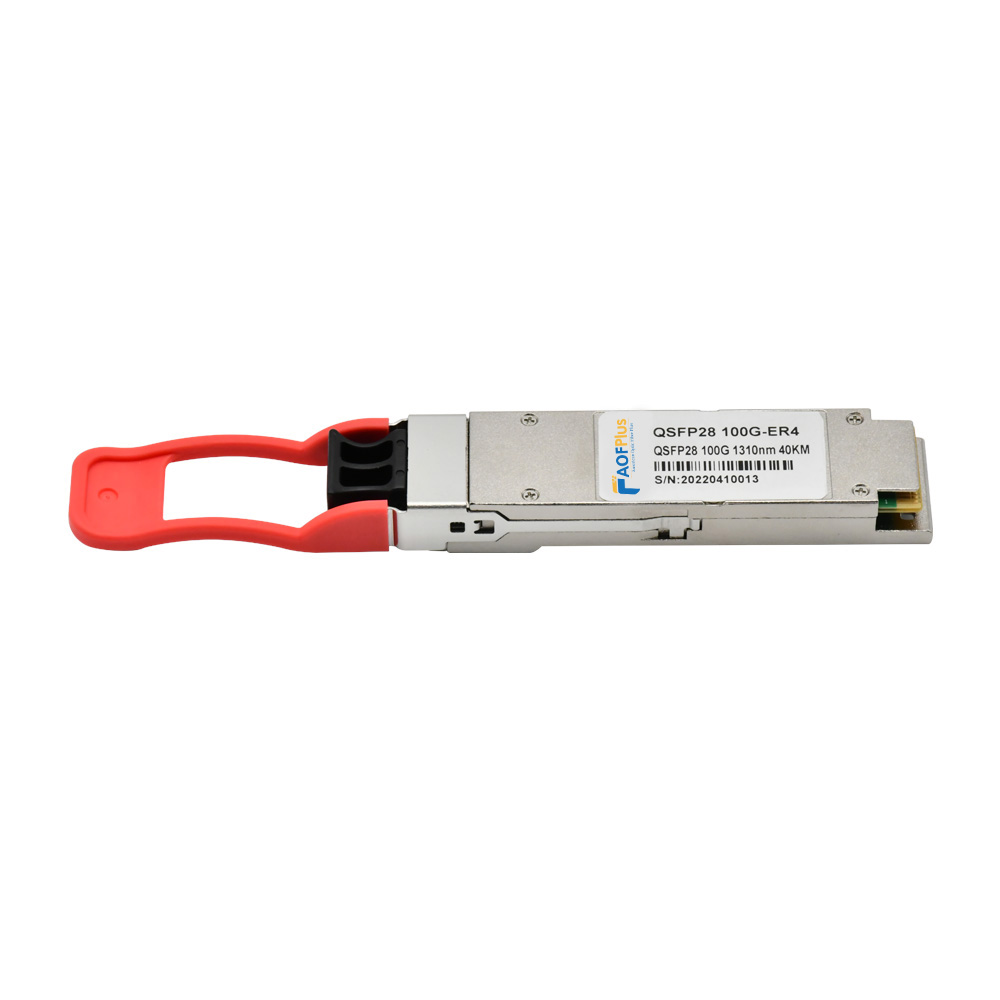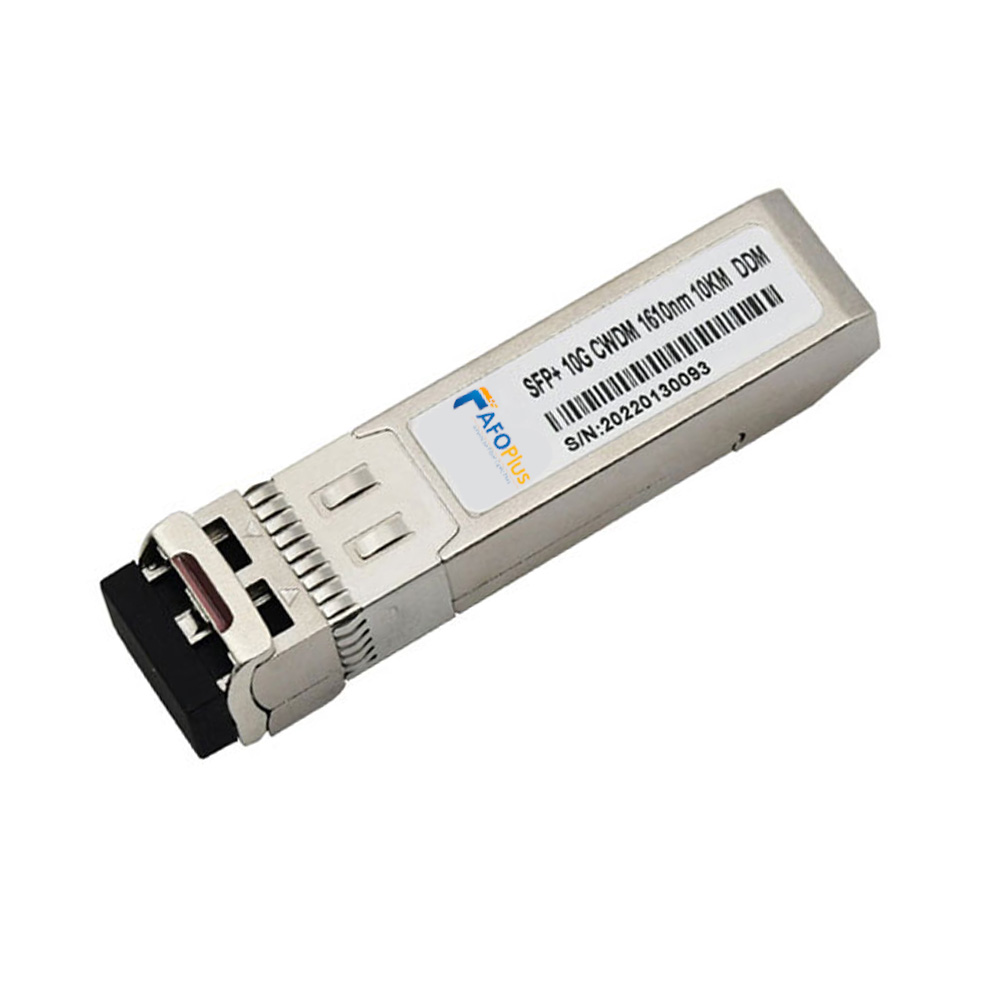
As demand for optical transceivers continues to rise, industry competition is becoming increasingly fierce, and price competition is beginning to emerge, posing a challenge to optical transceiver companies.
AI-Driven 800G Demand and Industry Leaders
Since 2023, the AI boom has driven increased demand for computing power, setting higher standards for optical transceiver module speeds and power consumption. Demand for 800G is substantial this year, and customer demand has not diminished. Shipments are expected to increase further in the coming quarters based on delivery schedule progress.

According to research reports from multiple institutions, 800G optical fiber transceivers play a crucial role in the artificial intelligence computing power industry chain and are considered to be one of the most certain links in it.
The growth of 800G optical transceivers is mainly driven by the development of artificial intelligence technology and the increasing demand for computing power. The construction of global data centers has fueled the continued and stable growth of high-speed optical device products, especially the rapid growth in demand for high-speed products.
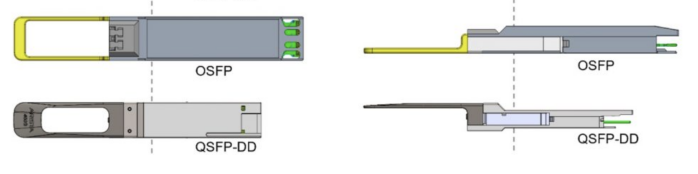
AOFPLUS, a leading professional supplier of 800G optical communication modules with cutting-edge R&D and manufacturing capabilities, provides optical transceivers in QSFP-DD and OSFP packages. This dedicated series of pluggable optical transceiver modules is custom-designed for 800G Ethernet links in modern data centers, empowering high-speed, low-latency interconnection for AI and cloud computing scenarios.
Global Market Trends and Accelerated Iteration
According to relevant institutions, the global market size of optical transceiver modules is projected to grow at a compound annual growth rate of approximately 11% from 2022 to 2027, potentially exceeding US$20 billion by 2027.
In the future, the continued ramp-up of high-end products is expected to provide further support for the industry’s performance. As a key component of optical transmission equipment, the market demand for optical transceivers will continue to grow.
Starting in 2023, the fiber optic transceiver speed iteration cycle is expected to shorten from doubling every four years to doubling every two years. 2024 and 2025 will remain a critical period in the global artificial intelligence arms race, with computing power demand continuing to grow rapidly, and the optical interconnect sector is expected to continue to benefit.
In 2022, cloud service providers began gradually introducing 800G optical transceiver products. Large-scale shipments of 800G optical transceivers are expected by 2024, while 2025 is anticipated to be the first year of commercial use for 1.6T optical transceivers, marking the start of a new cycle of fiber optic transceiver iteration.
Reports indicate that global demand for 800G products will be substantial in 2024, with clear customer needs. Based on delivery schedules, 800G product shipments are expected to increase in the following quarters. However, the global supply of raw materials such as EML remains tight, and the industry has not yet fully reached customers’ desired delivery levels, suggesting that more shipments are yet to come.
2024 is expected to be primarily a year of mass production for 800G optical transceivers modules. Simultaneously, the production of 400G fiber optic transceivers for Ethernet switches will also increase rapidly. In the future, more Ethernet customers are expected to upgrade their products to 800G optical transceivers, and 1.6T optical transceivers will also enter mass production next year. Furthermore, traditional EML solutions, silicon photonics solutions, and LPO solutions will also be validated successively.
AI: Bridging Communications and Computing
In the era of cloud computing, the development of the communications field has lagged slightly behind that of the computing field. Generally, the iteration cycle for chips is about 2 to 3 years, while the iteration cycle for communication technologies is about 4 to 5 years. However, driven by artificial intelligence, the importance of communications and computing is becoming increasingly equal. Nvidia’s progress shows that the iteration speed of chips has shortened to 1 year, while the iteration speed of communication technologies is being significantly compressed to 1.5 years or even 1 year. Against this backdrop, leading manufacturers with advanced technology and close collaboration with customers will further expand their advantages. With the continued growth of high-end demand and the increasing speed of technological iteration, the industry landscape is expected to further concentrate on leading manufacturers. With the continuous expansion of the artificial intelligence market, the optical communications industry may be entering one of the most prosperous periods in its history.