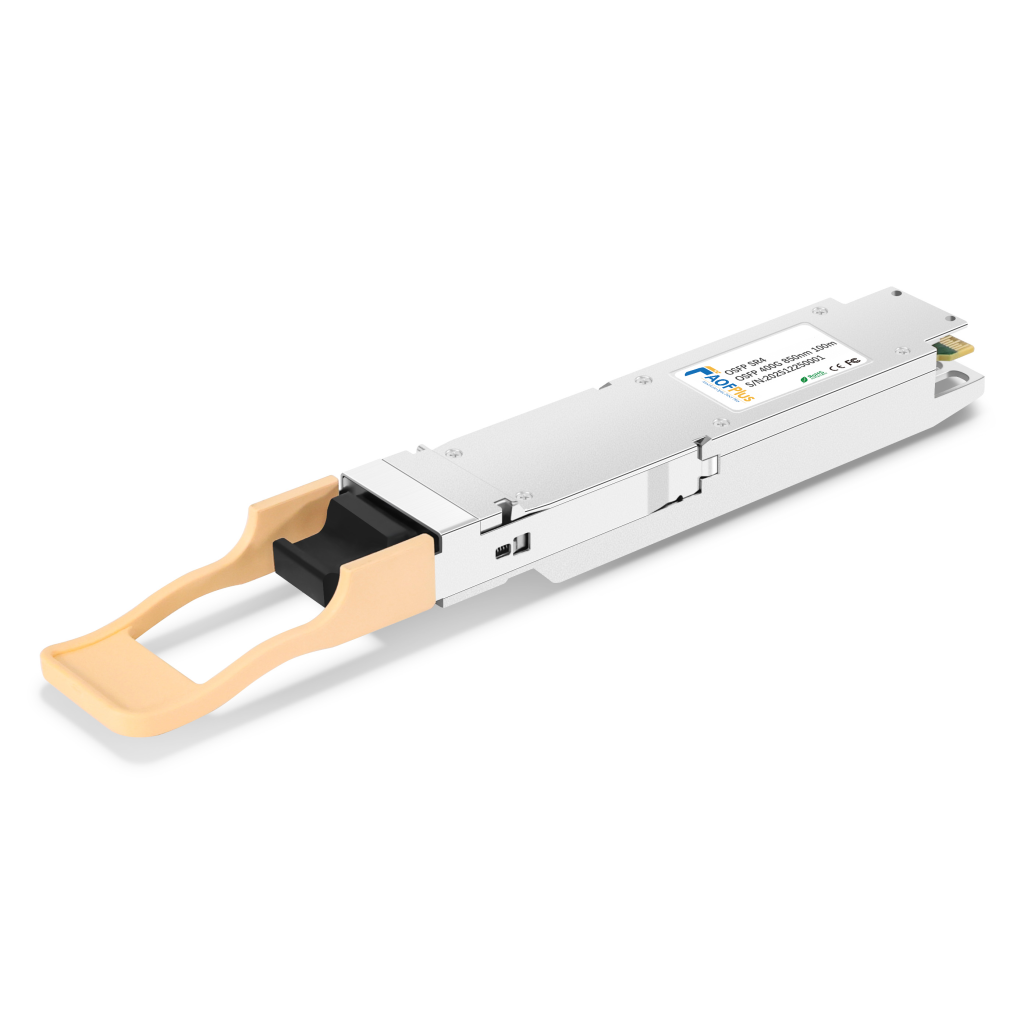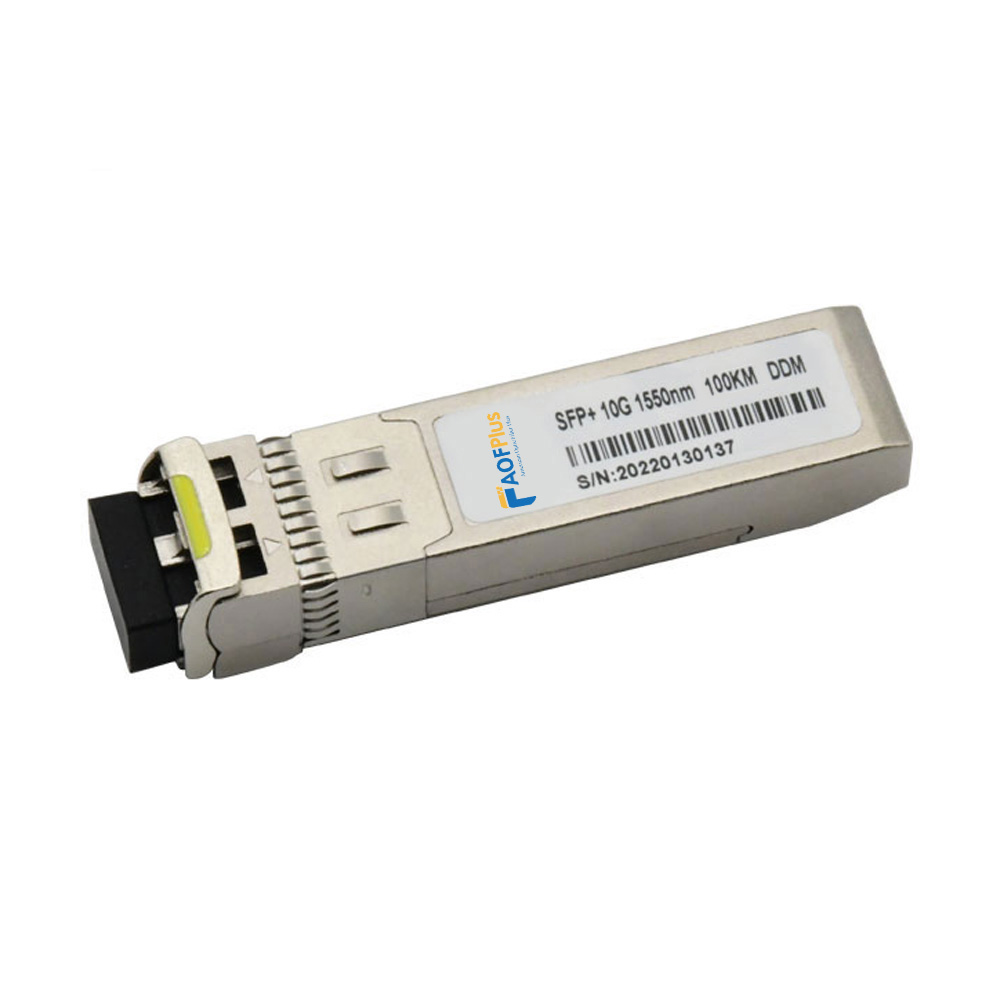
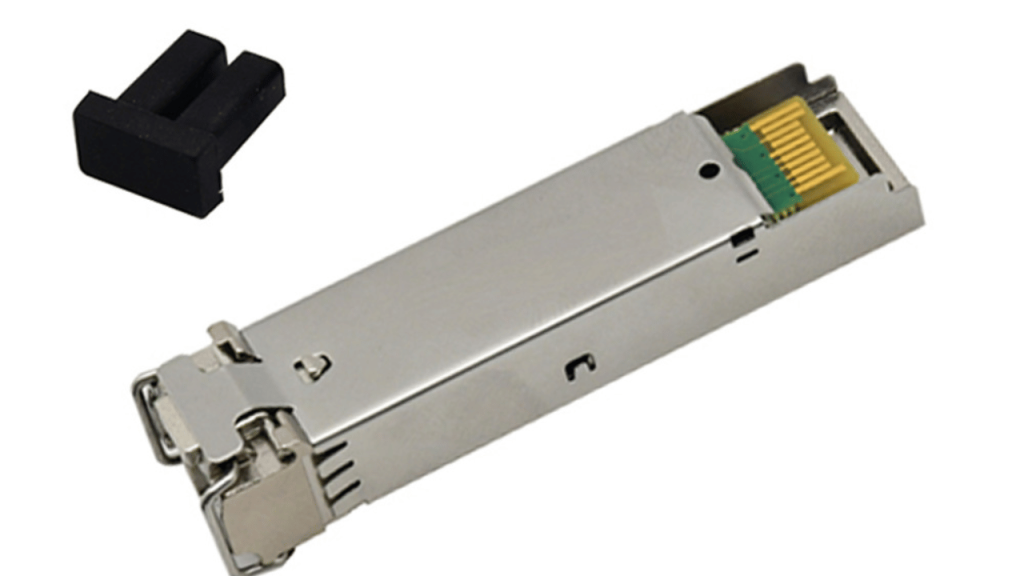
A fiber optic transceiver plays a key role in how modern networks move data. It sends and receives signals through fiber cables, helping devices talk to each other fast and clearly. When you choose the right module, your network runs smoother, stays stable, and handles traffic without delays. When you choose the wrong one, you may face signal loss, compatibility issues, or wasted money. Many businesses use SFP modules, CWDM optics, and single-mode fiber solutions to support long-distance and high-speed connections. Each setup needs the correct speed, wavelength, and reach. A small detail like connector type or distance rating can make a big difference in performance.
In this blog post, you will learn how to match a fiber optic transceiver to your network needs, understand data rates and transmission distance, and avoid common buying mistakes. This will help you choose with confidence and build a reliable network.
Why Choosing the Right Fiber Optic Transceiver Matters
Choosing the right fiber optic transceiver protects your network from problems before they start. This small module controls how data moves between switches, routers, and other devices. If it does not match your network speed, distance, or fiber type, performance drops fast. You may face signal loss, unstable links, or sudden disconnections. A proper fiber optic transceiver keeps your connection stable and efficient. It supports the correct data rate, whether you run a 1G link or a higher-speed setup. It also matches the right wavelength and transmission distance, which helps prevent power issues and network errors.
Compatibility also matters. Your transceiver must work smoothly with your equipment, such as Cisco or other network hardware. When everything matches correctly, your system runs without interruptions. Making the right choice saves time, reduces troubleshooting, and protects your investment. A well-selected module supports long-term growth and keeps your network running with confidence.
How to Choose the Right Fiber Optic Transceiver
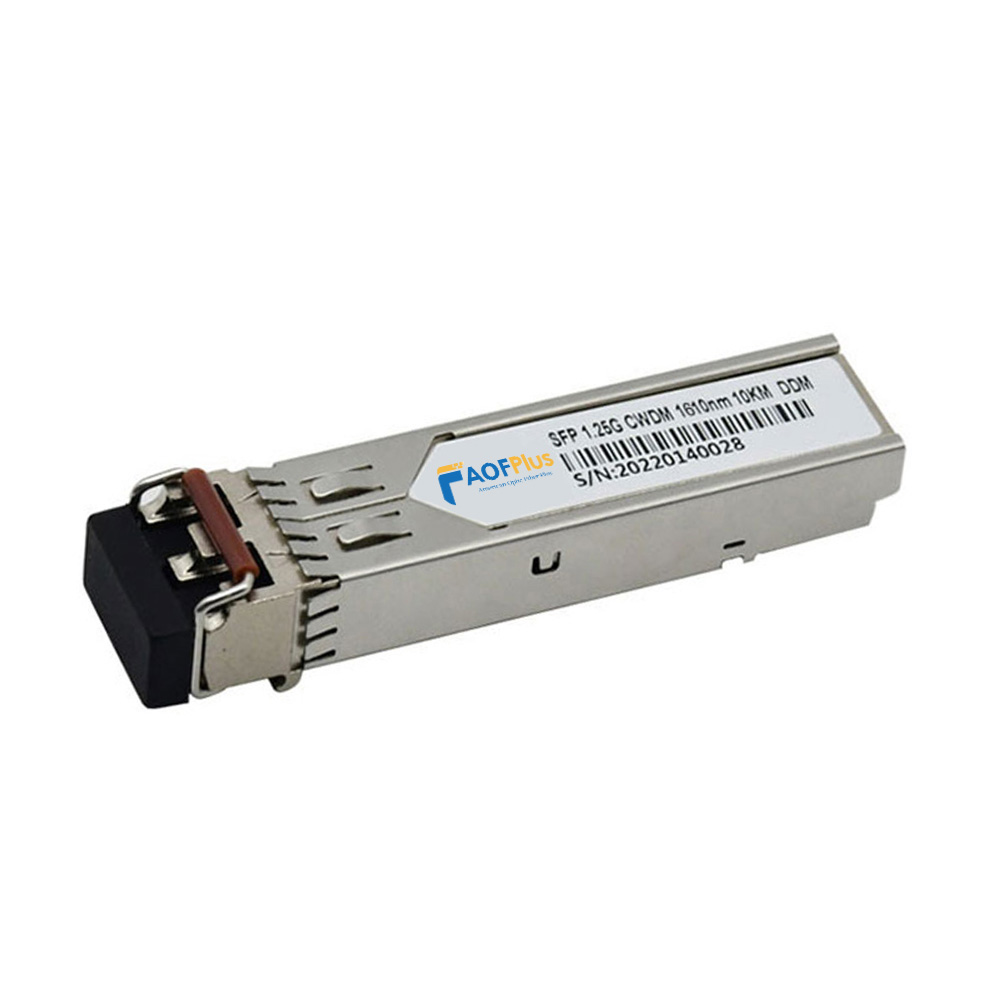
Choosing the right fiber optic transceiver becomes simple when you break it into clear steps. Focus on your network needs first. Then match the technical details carefully. Small differences in speed, distance, or compatibility can affect performance.
Follow the below steps to make the best purchase:
Check Your Required Data Rate
Start with speed. Your fiber optic transceiver must support the data rate your network uses. Common options include 1G, 10G, 25G, and higher. If your switch runs on 1G ports, you need a 1G SFP module. Installing a higher-speed module will not increase performance if your hardware does not support it. Always match the module to your switch or router specifications.
Determine the Transmission Distance
Distance plays a big role in selection. Some fiber optic transceiver modules support short links like 10km or 20km. Others handle 40km or even 80km connections. Choose a module that matches the real distance between your devices. Too short, and the signal may fail. Too long, and you may overspend.
Single Mode vs Multimode Fiber
Next, check your fiber type. Single mode fiber works best for long distances and higher reach. Multimode fiber suits shorter indoor links. Your fiber optic transceiver must match the fiber cable you use. Mixing them will cause connection problems.
Understand Wavelength & CWDM Compatibility
Wavelength matters, especially for long-distance and CWDM networks. Standard modules use common wavelengths like 850nm, 1310nm, or 1550nm. CWDM optics use specific channels to carry multiple signals on one fiber. Make sure both ends use matching wavelengths. If they do not match, the link will not work.
Connector Type (LC/UPC Explained)
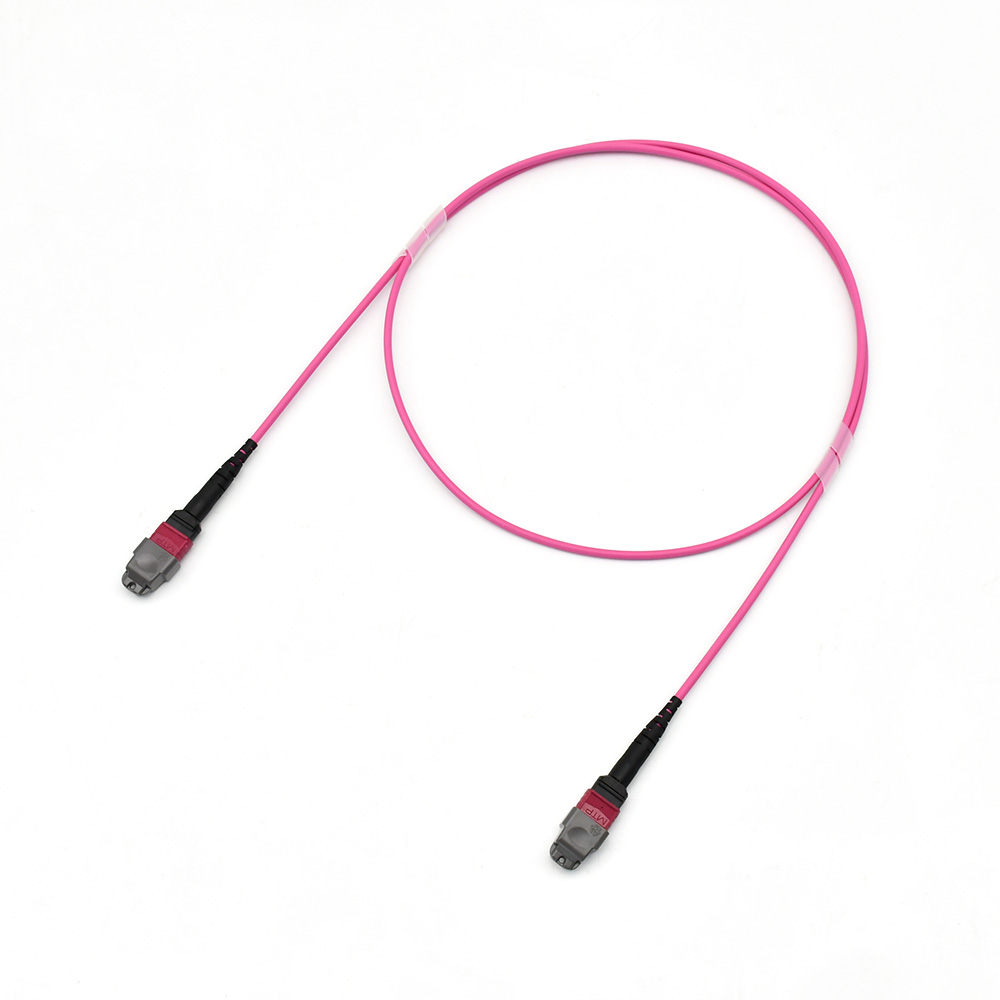
Most modern fiber optic transceiver modules use LC connectors. LC/UPC connectors provide secure and stable connections. Check your patch cables before buying. The connector on the module must match your existing fiber cable.
Ensure OEM Compatibility (Cisco, etc.)
Finally, confirm device compatibility. Some switches require coded modules, such as Cisco compatible optics. Your fiber optic transceiver must support your hardware brand. Proper compatibility prevents warning messages and ensures smooth operation.
Recommended Transceivers for Common Network Scenarios
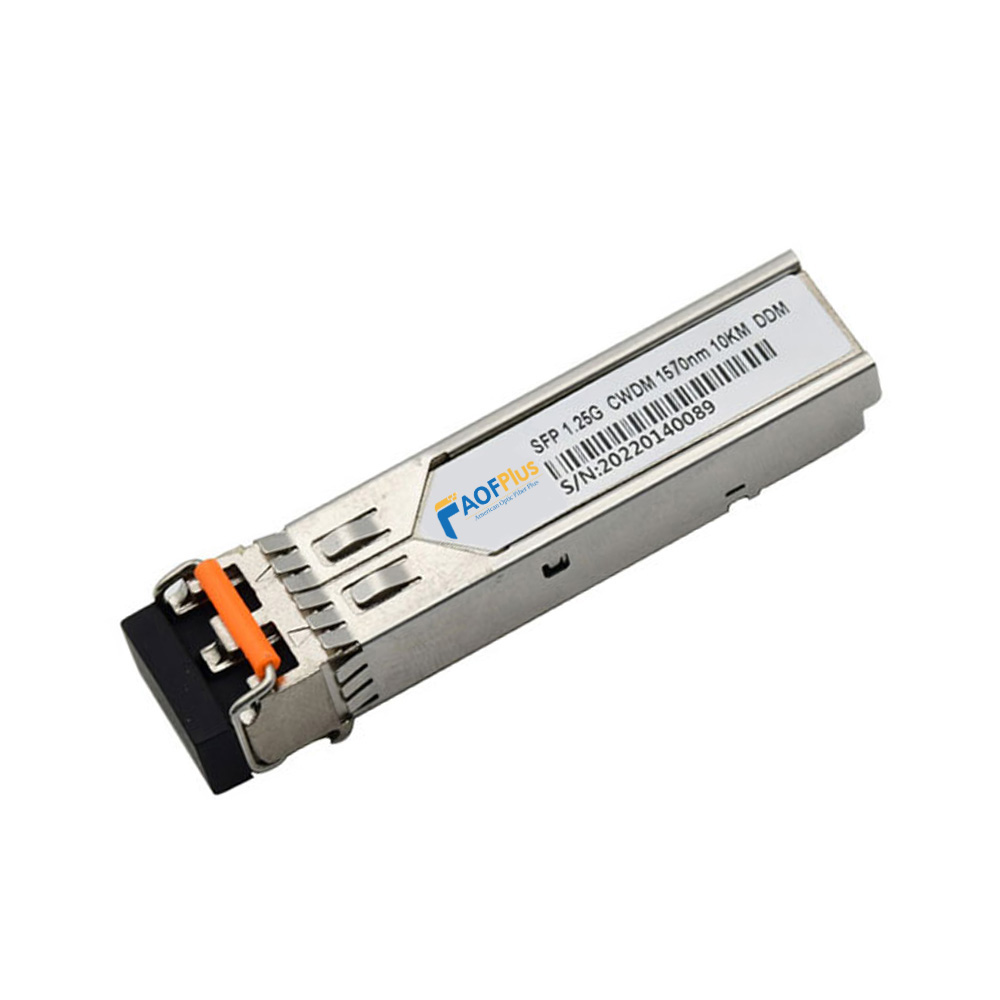
Different networks require different fiber optic transceiver setups. The right choice depends on distance, wavelength, and compatibility. Below are common deployment scenarios and recommended modules based on real network use cases.
Here are some of the most common Transceivers:
For 20km Single Mode Networks
Enterprise campuses, ISP edge nodes, and building-to-building fiber runs typically span distances around 20km, well within the reach of a standard 1.25G single mode SFP. At this range, there’s no need to over-spec with extended 80km optics. A properly rated single mode transceiver matched to the correct wavelength will deliver stable signal strength and efficient throughput without unnecessary cost.
The key is consistency: both ends of the link must use the same wavelength and specification to avoid signal mismatch or degraded performance.
For 40km Long Distance Links
City-wide backbones and extended metro connections often require links in the 40km range, where standard SFPs fall short. CWDM-based 1.25G SFP modules are the right fit here — they maintain signal integrity over longer single mode runs without introducing repeaters or amplifiers.
Several wavelength options are available for 40km CWDM deployments, each suited to different channel plans:
All modules feature Cisco-compatible coding and duplex LC/UPC connectors. Ensure both endpoints are configured on matching CWDM channels to maintain link stability.
For 80km CWDM Deployments
Carrier-grade and regional metro networks that span up to 80km demand transceivers engineered for extended reach. 80km CWDM 1.25G SFP modules are designed precisely for this, enabling multiple wavelength-separated signals to travel across a single fiber strand over long-haul distances.
The following wavelength options cover the standard CWDM grid for 80km single mode deployments:
Each module supports Cisco-compatible coding with LC/UPC connectors, making them a drop-in fit for multi-channel CWDM systems. Selecting the correct wavelength and distance rating from the outset is critical to ensuring long-term link reliability.
Conclusion
Choosing the right fiber optic transceiver does not have to feel complicated. When you focus on data rate, transmission distance, fiber type, wavelength, connector, and compatibility, the decision becomes clear. Each detail matters. A properly selected module keeps your network stable, efficient, and ready for future growth.
If you are looking for reliable fiber optic solutions, AOFPLUS is here to support you. American Fiber Optic Plus Inc. is a global supplier and a one-stop shop for high-quality networking products. We design, source, and deliver cost-effective fiber optic transceivers, high-speed cables, fiber patch cables, pigtails, and other fiber optic devices.
With more than 20,000 products in stock and our own warehouse center, we maintain strong inventory levels across America. This allows us to respond quickly to urgent and unpredictable demand. We focus on quality, compatibility, and dependable supply.