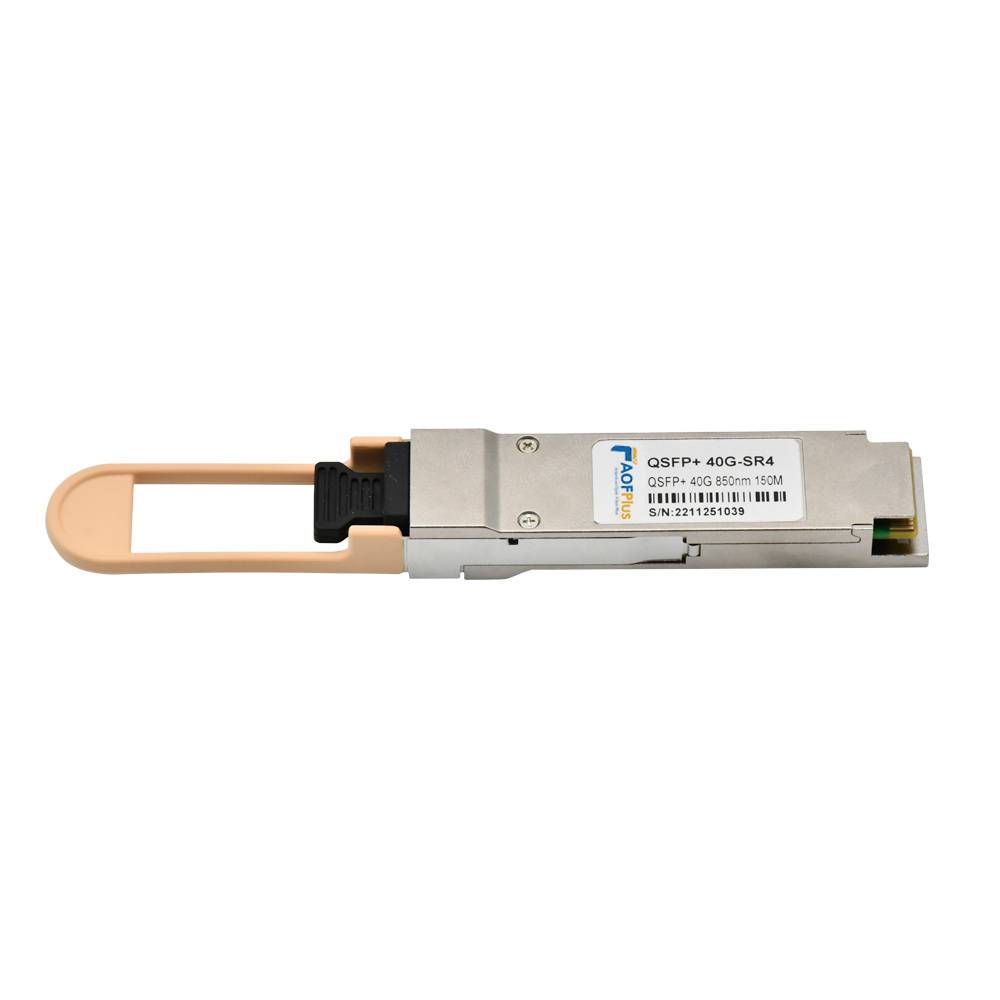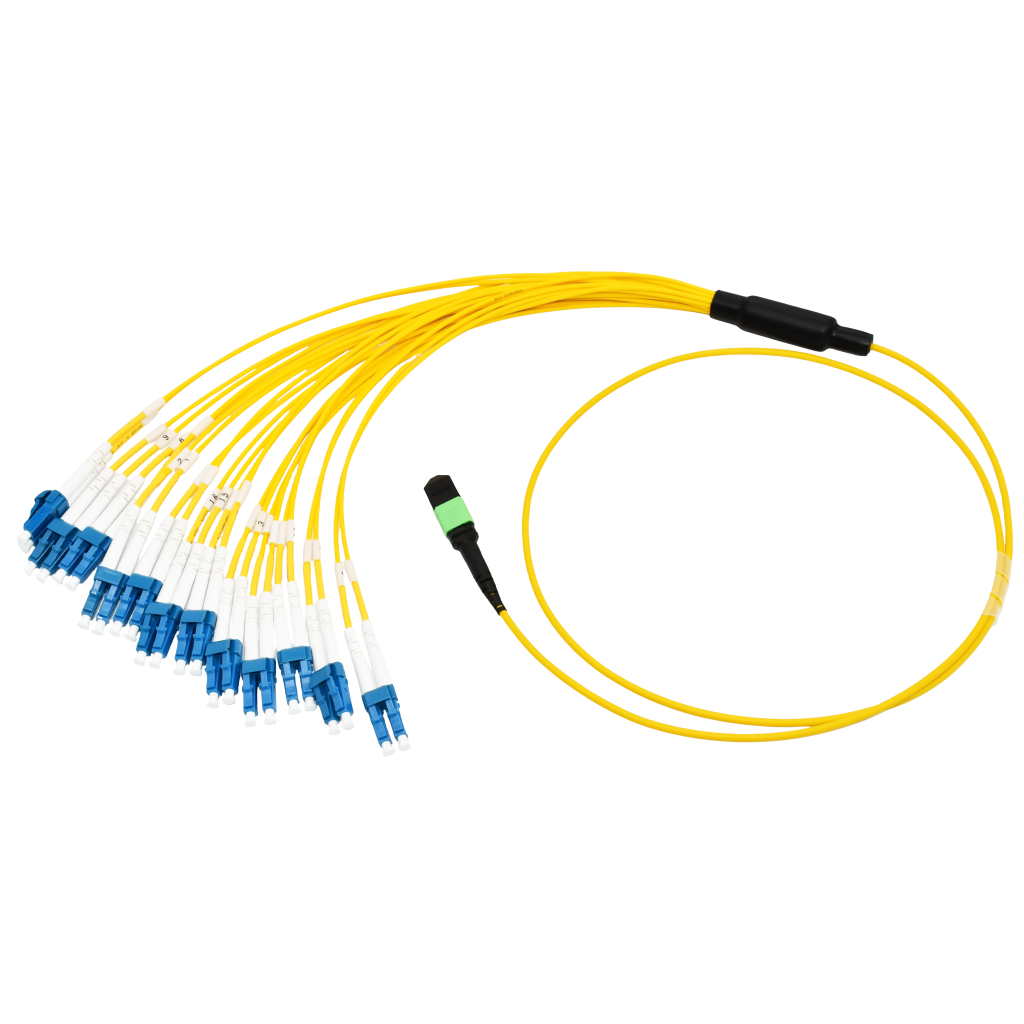
SFP (Small Form-factor Pluggable) fiber transceivers are widely used in modern fiber optic communication networks for high-speed and reliable data transmission. Due to their compact size and flexible deployment, they are commonly applied in data centers, enterprise networks, and telecommunications systems. Understanding the different types of SFP optical transceivers and how to choose the right fiber optic transceiver is essential for building efficient and stable network connections.
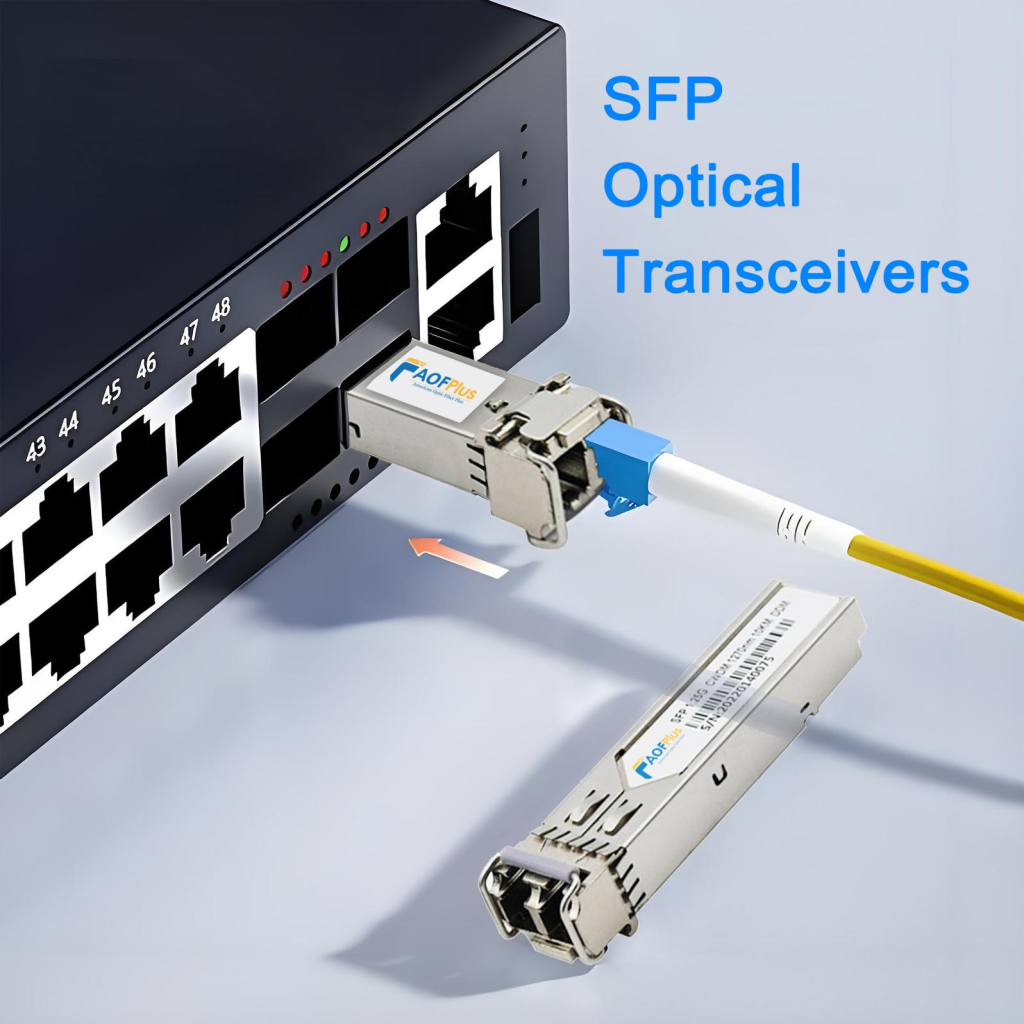
Types of SFP Optical Transceivers
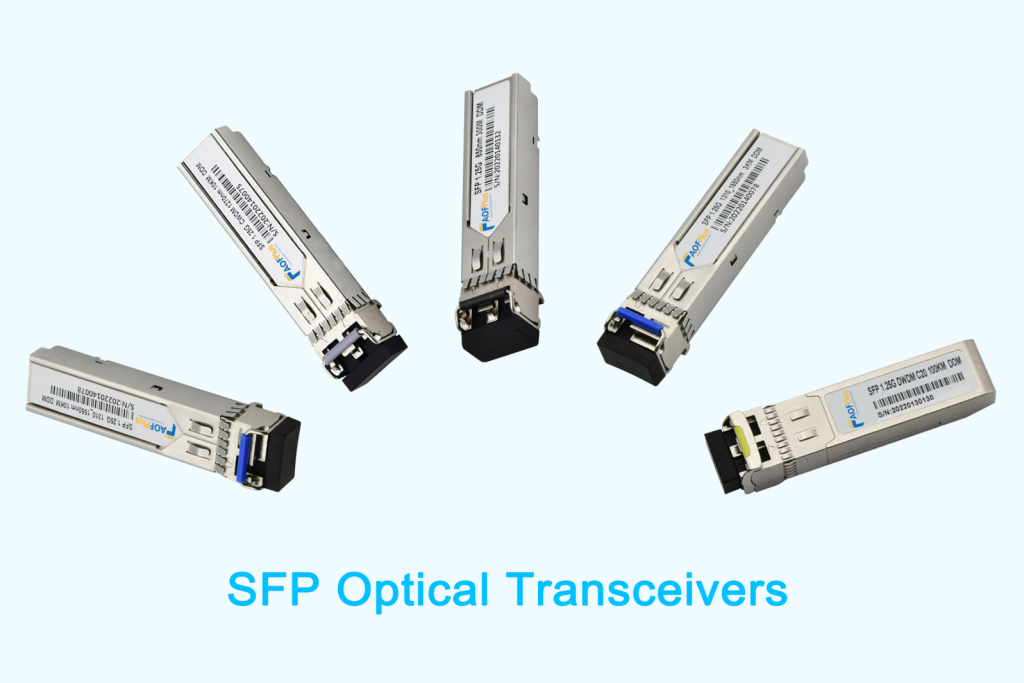
SFP (Small Form-factor Pluggable) optical transceivers are small, pluggable transceiver modules widely used in various high-speed data transmission scenarios. SFP transceivers can be classified into several types according to different classification standards.
Classified by Speed
Low-speed SFP transceivers: Such as fiber transceivers with speeds of 155Mbps, 622Mbps, and 1.25Gbps. These transceivers are primarily suitable for applications with lower speed requirements.
Medium-speed SFP transceivers: Such as fiber optic transceivers with speeds of 2.5Gbps and 4Gbps. These transceiver modules offer improved speed and performance, suitable for applications with moderate speed requirements.
High-speed SFP transceivers: Such as optical transceivers with speeds of 10Gbps. This is the highest speed type of SFP transceiver module, suitable for applications with high speed requirements.
Classified by Transmission Distance
Short-range SFP transceiver modules: Typically used for intra-data center or short-distance network connections, with transmission distances generally within a few hundred meters.
Medium-range SFP optical transceivers: Suitable for medium-distance network connections, with transmission distances reaching several kilometers.
Long-range SFP transceivers: Used for long-distance network connections, with transmission distances reaching tens of kilometers or even further. The appropriate fiber optic transceiver for the transmission distance needs to be selected based on the actual application scenario and requirements.
Classified by Fiber Optic Type
Single-mode SFP transceivers: Using single-mode fiber for transmission, suitable for long-distance, high-bandwidth applications.
Multi-mode SFP transceivers: Using multi-mode fiber for transmission, suitable for short-distance, lower-bandwidth applications.
Classified by Package Type
Besides the standard SFP package, there are also enhanced SFP (eSFP), small form factor pluggable plus (SFP+), and 10GB small form factor pluggable (XFP) packages. These package types differ in performance, speed, and compatibility, and the appropriate type should be selected based on specific requirements.
Guide to Choosing the Right SFP Optical Transceivers
When selecting a suitable SFP optical transceiver, several factors need to be considered to ensure that the chosen module meets the requirements of the actual application scenario. Here are some key considerations:
Rate requirements: The selection of SFP fiber transceivers should be based on the actual bandwidth and transmission rate requirements of the network. For example, when the network needs to support a data transmission rate of 10 Gbps, an SFP fiber optic transceiver supporting the 10 Gbps rate class should be selected to ensure that the link can operate stably and meet the data transmission performance requirements.
Transmission distance: Select an appropriate transmission distance module based on the actual distance of the network connection. For short distances, a short-range SFP module can be chosen; for longer distances, a long-range SFP transceiver module is required. The impact of fiber optic attenuation and loss on the transmission distance must also be considered.
Fiber type: When selecting an SFP fiber optic transceiver, it is essential to match it to the type of optical fiber used. If the network uses single-mode fiber, an SFP optical transceiver that supports single-mode fiber transmission should be selected; if multimode fiber is used, an SFP fiber transceiver that supports multimode fiber should be selected. Different types of optical fibers differ in transmission distance, operating wavelength, and optical characteristics. Therefore, selecting an optical module that matches the fiber type helps ensure link stability and transmission performance.
Compatibility: When selecting SFP transceiver modules, compatibility with existing network equipment should be prioritized to ensure stable connection and normal operation with devices such as switches and routers. Choosing SFP optical transceivers with good compatibility helps achieve seamless integration with the network system, avoiding link anomalies or performance degradation caused by compatibility issues, thereby ensuring the stability and reliability of network operation.
Application scenarios: When selecting SFP optical transceivers, the actual deployment environment and application scenario should be fully considered, and a product type that matches the requirements should be chosen. For example, in short-distance interconnection scenarios within data centers or server rooms, SFP optical modules with shorter transmission distances and lower costs can be prioritized; while in application environments requiring long-distance link transmission, SFP fiber optic transceivers that support longer transmission distances and offer more stable performance should be selected. By making appropriate selections based on specific application scenarios, network transmission efficiency can be effectively improved, and the stability and reliability of the link can be guaranteed.
Future scalability: When selecting SFP optical transceivers, the future expansion and upgrade needs of the network should be fully considered to improve the long-term adaptability of the network architecture. For example, when it is anticipated that the network transmission rate may increase to a higher level in the future, fiber optic transceivers that support higher bandwidth or higher performance standards, such as SFP+ and other higher-speed products, should be prioritized. By reserving a certain amount of expansion space during the planning stage, it helps to reduce equipment replacement costs during subsequent network upgrades and improves the scalability and sustainability of the network system.
Conclusion
SFP optical transceivers play a crucial role in modern fiber optic communication networks by enabling flexible, high-speed data transmission across a wide range of applications. When selecting an appropriate SFP fiber transceiver, it is essential to carefully evaluate factors such as rate requirements, transmission distance, fiber type, device compatibility, application scenarios, and future scalability. By making well-informed decisions based on these considerations, you can ensure optimal network performance, reliability, and long-term scalability. As a leading optical transceivers supplier in the industry, AOFPLUS offers a wide range of premium transceivers including 1.25G, 10G, 40G, 100G, 200G, 400 fiber transceivers and so on. Please let us know if you need any support.