In the era of high-speed networks and 5G deployment, the demand for faster and more efficient data transmission is growing rapidly. Enterprises and data centers are increasingly upgrading their infrastructure from 100G to 400G networks to handle massive volumes of data traffic. Among the 100G optical transceivers, QSFP28 transceivers are the most commonly used due to their compact form factor, high speed, and reliability. Within this category, PSM4 and CWDM4 fiber optic transceivers have emerged as two distinct solutions, each with unique technologies, interfaces, and deployment advantages. AOFPLUS as a professional optical transceivers supplier, we will introduce the differences between 100 PSM4 transceiver modules and 100G CWDM4 fiber transceivers to you.
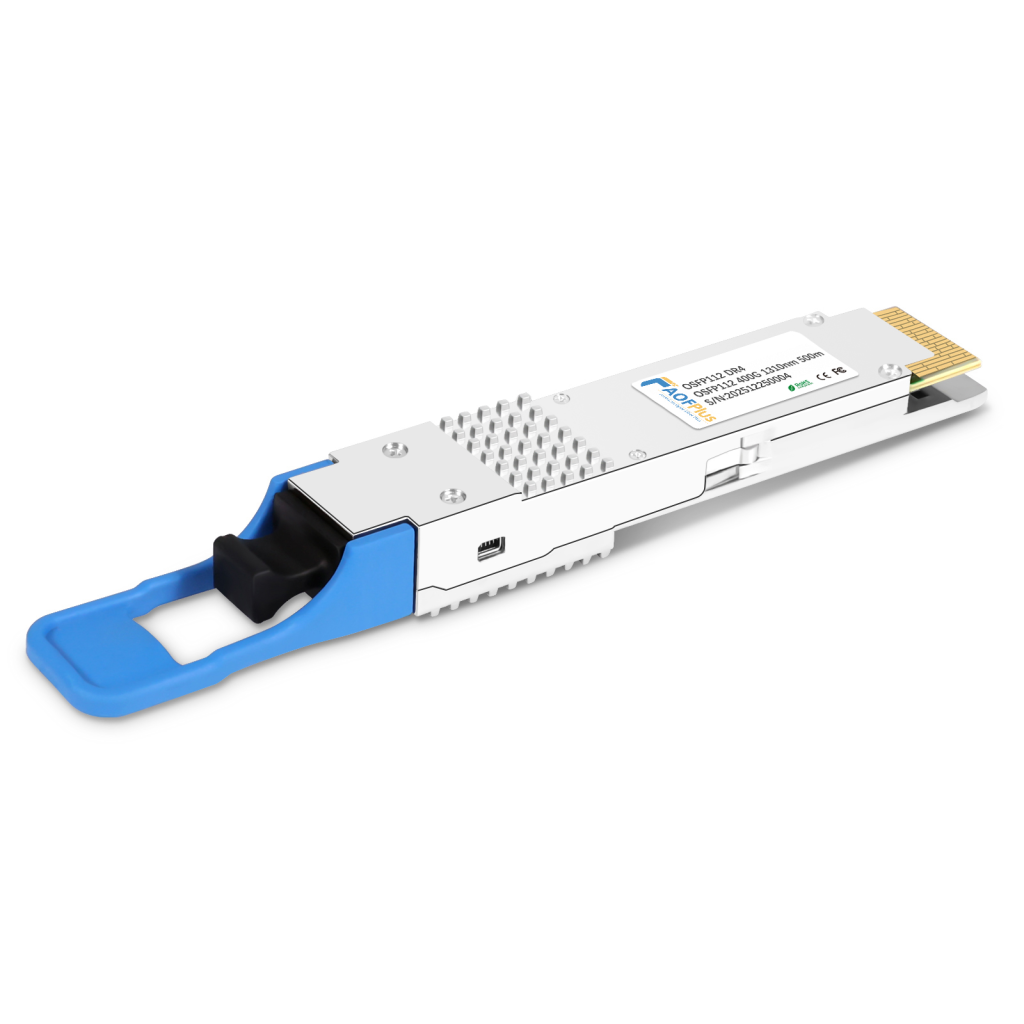
100G QSFP28 PSM4 Optical Transceivers
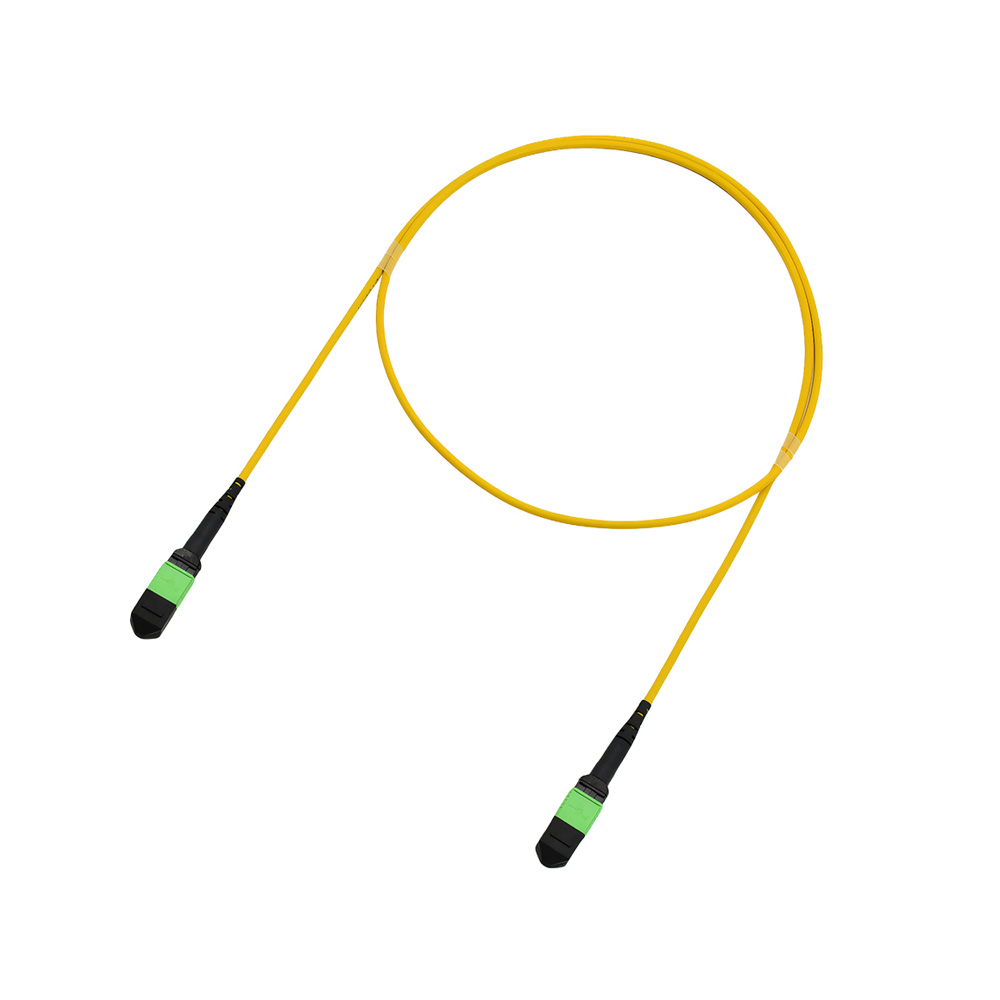
The 100G QSFP28 PSM4 optical transceiver is packaged in a hot-swappable QSFP28 form factor, operates in a temperature range of 0°C to 70°C, and features DDM digital diagnostic monitoring. It has a 12-core MPO/MTP interface (the four middle fiber cores are not used), a maximum power consumption of less than 3.5W, and is a four-channel full-duplex transceiver module. Each channel supports a data rate of 25.78Gbps, with a maximum speed of 103.125Gbps. It complies with the Multi-Source Agreement (MSA) protocol and is a low-power, high-speed product.
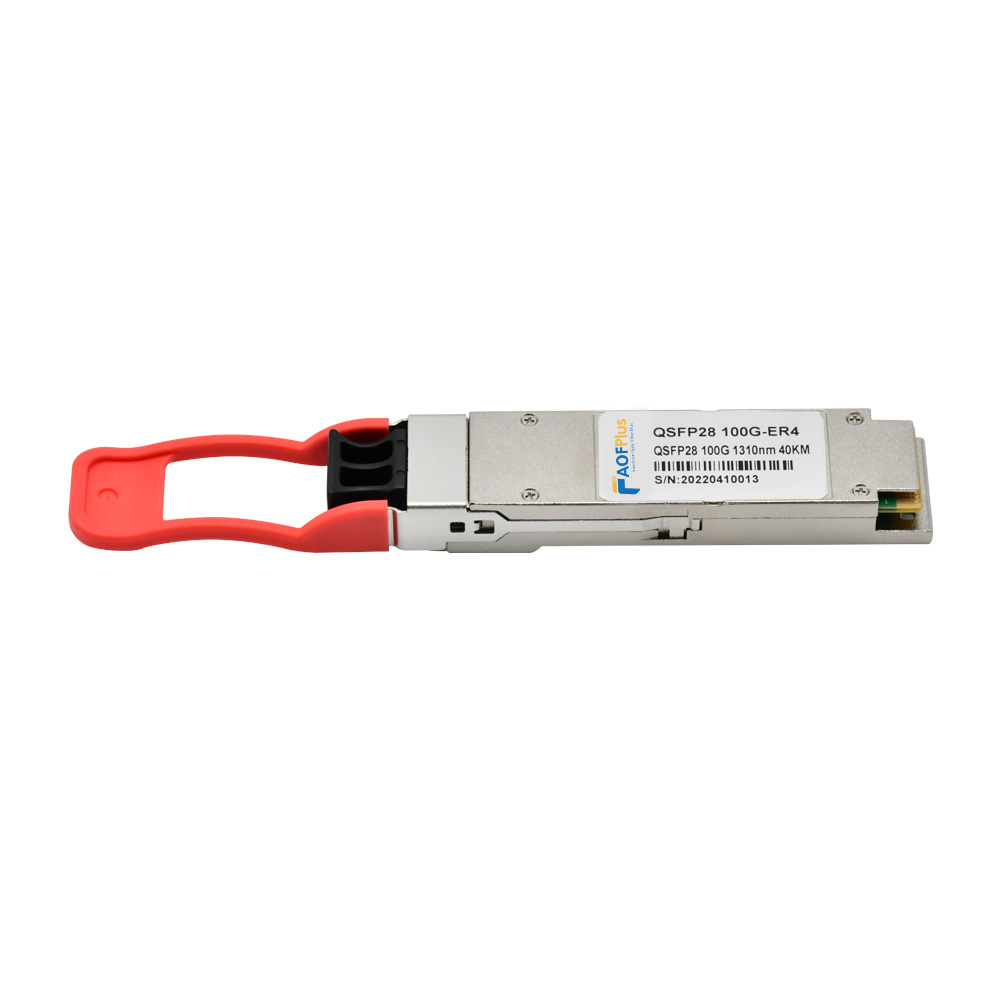
100G QSFP28 CWDM4 Optical Transceivers
The 100G QSFP28 CWDM4 transceiver module is mainly used in 100G CWDM4 Ethernet and InfiniBand 4x EDR links. It employs Coarse Wavelength Division Multiplexing (CWDM) technology to combine optical signals of different wavelengths (1270nm, 1290nm, 1310nm, and 1330nm) onto a single optical fiber for transmission, achieving a transmission rate of 103.1Gbps. The interface is a full-duplex LC optical interface, and with the OS2 single-mode patch cord, the maximum transmission distance can reach 2KM.
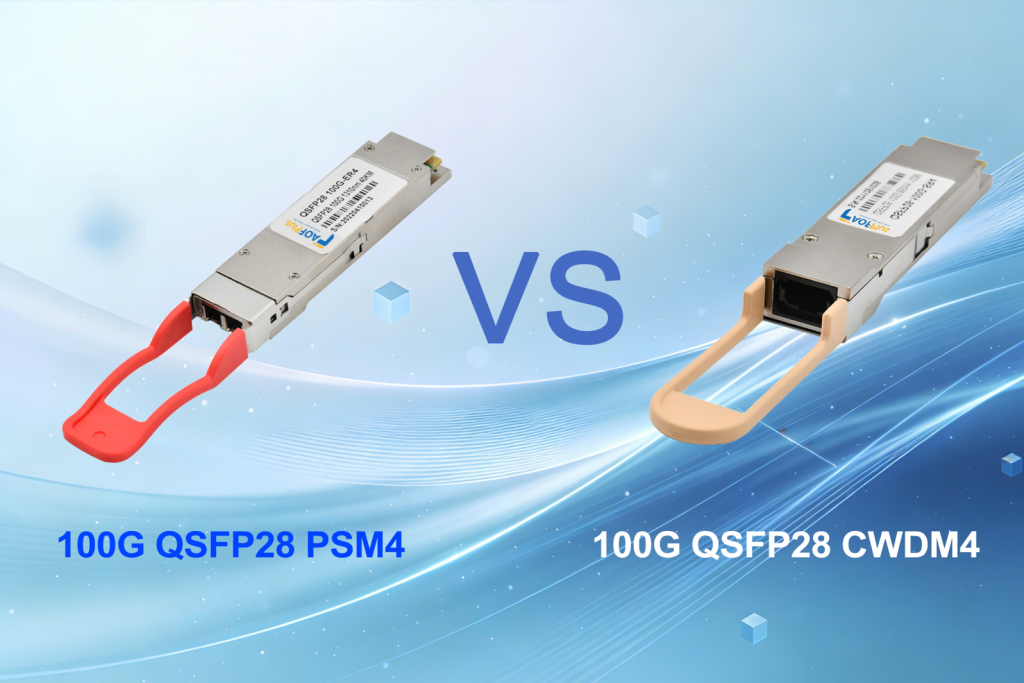
100G QSFP28 PSM4 Optical Transceivers vs 100G QSFP28 CWDM4 Optical Transceivers
Cost
Compared to PSM4 optical transceivers, CWDM4 fiber transceivers typically have lower overall deployment costs. In applications with longer link distances, CWDM4 only requires two cores of single-mode fiber (dual fiber) to complete data transmission, while PSM4 requires eight cores of single-mode fiber for parallel transmission. This means that in actual network cabling, PSM4 not only requires more fiber resources but also increases cabling complexity and maintenance costs. Therefore, CWDM4 transceiver is more economical in many data center applications.
Laser Technology
PSM4 fiber optic transceivers typically employ an architecture of four integrated silicon photonic modulators and one distributed feedback laser (DFB laser), achieving high-speed data communication through parallel optical transmission. CWDM4 transceivers, on the other hand, use four uncooled CWDM DFB lasers, each operating at a different wavelength, and transmit multiple signals on the same fiber pair using coarse wavelength division multiplexing (CWDM) technology, with a wavelength spacing typically 20 nm. This wavelength division multiplexing (WDM) method can maintain high transmission efficiency while reducing the number of optical fibers.
Interface Type
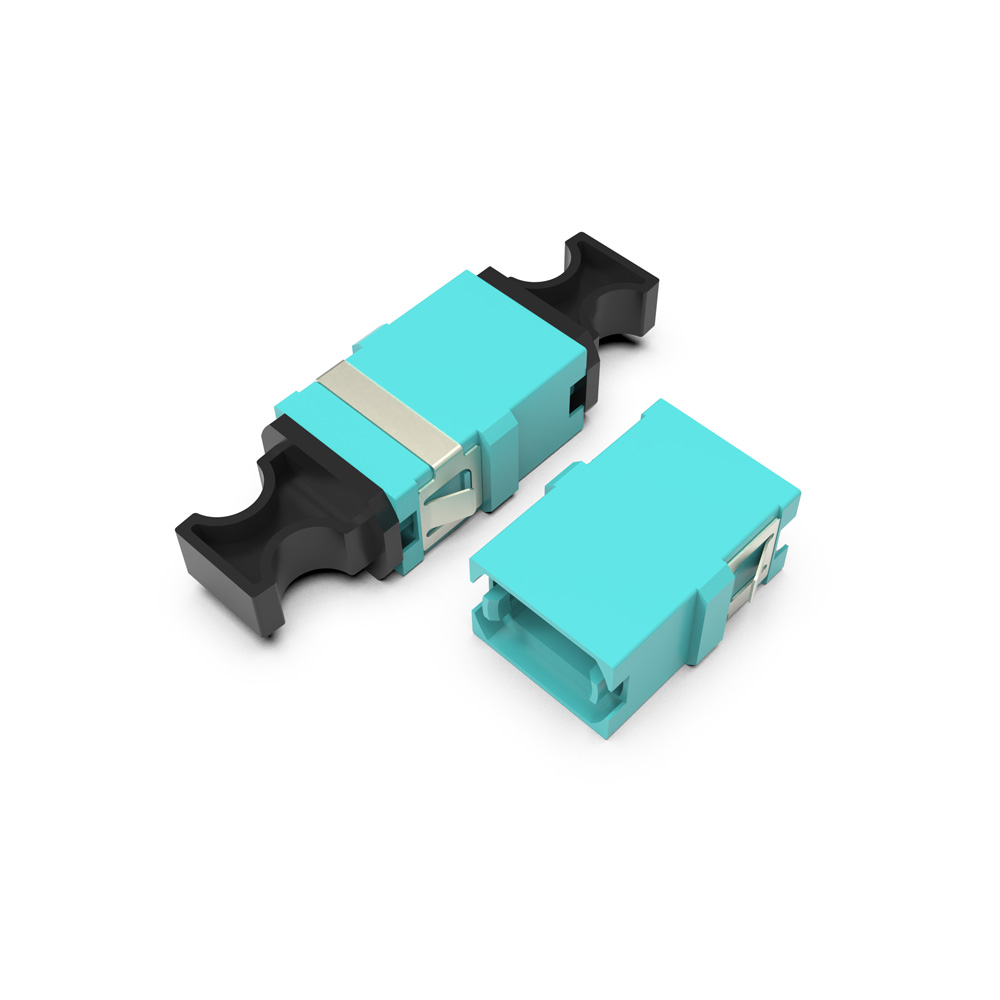
There are also significant differences in the interfaces between the two types of fiber transceivers. CWDM4 transceiver modules typically use a full-duplex LC interface, requiring only two optical fibers for both transmission and reception, resulting in simpler cabling and higher compatibility. PSM4 optical transceivers, on the other hand, use an 8/12-core MPO/MTP interface, achieving four-way parallel transmission through multiple optical fibers. This interface is more common in high-density parallel optical communication, but it places relatively higher demands on fiber management and cabling.
Center Wavelength
PSM4 optical transceivers typically operate at a center wavelength of 1310 nm, with all four channels using the same wavelength for parallel transmission. Each channel transmits and receives data via an independent optical fiber. CWDM4 fiber transceivers, on the other hand, employ four different wavelengths: 1271 nm, 1291 nm, 1311 nm, and 1331 nm. These wavelengths are allocated at specific intervals and transmitted within the same fiber pair using wavelength division multiplexing (WDM), enabling combined transmission of multi-channel data and improving fiber utilization.
Transmission Distance
PSM4 and CWDM4 fiber optic transceivers differ in their application range regarding transmission distance. PSM4 transceiver modules typically support transmission distances up to 500 m, suitable for short-distance interconnections within data centers. CWDM4 transceivers, however, can support transmission distances up to 2 km, making them more widely used in data center networks or campus networks requiring medium-distance connections. Due to their longer transmission distance, CWDM4 fiber transceivers offer advantages in cross-room or cross-building connections.
Working Principle
The CWDM4 optical transceiver employs Coarse Wavelength Division Multiplexing (CWDM) technology. It transmits four different wavelength optical signals by multiplexing them onto the same pair of single-mode fibers. At the receiving end, demultiplexing separates the signals, achieving efficient transmission of multi-channel data with limited fiber resources. In contrast, the PSM4 fiber transceiver uses parallel optical transmission technology, employing four independent single-mode fibers to transmit four channels of data, each using the same 1310 nm wavelength. While this method is structurally simpler, it requires more fiber resources, making it less efficient than CWDM4 transceiver in terms of cabling and fiber utilization.
Conclusion
100G QSFP28 PSM4 and 100G QSFP28 CWDM4 optical transceivers provide effective solutions for 100G network deployments, but they are designed for different application scenarios. PSM4 transceiver modules are more suitable for short-distance connections within data centers due to their parallel transmission architecture, while CWDM4 transceivers offer advantages in fiber utilization and longer transmission distances through wavelength division multiplexing technology. By understanding the differences in cost, interface type, transmission distance, and working principles, you can choose the most appropriate fiber transceiver based on their specific network architecture, cabling conditions, and deployment requirements.