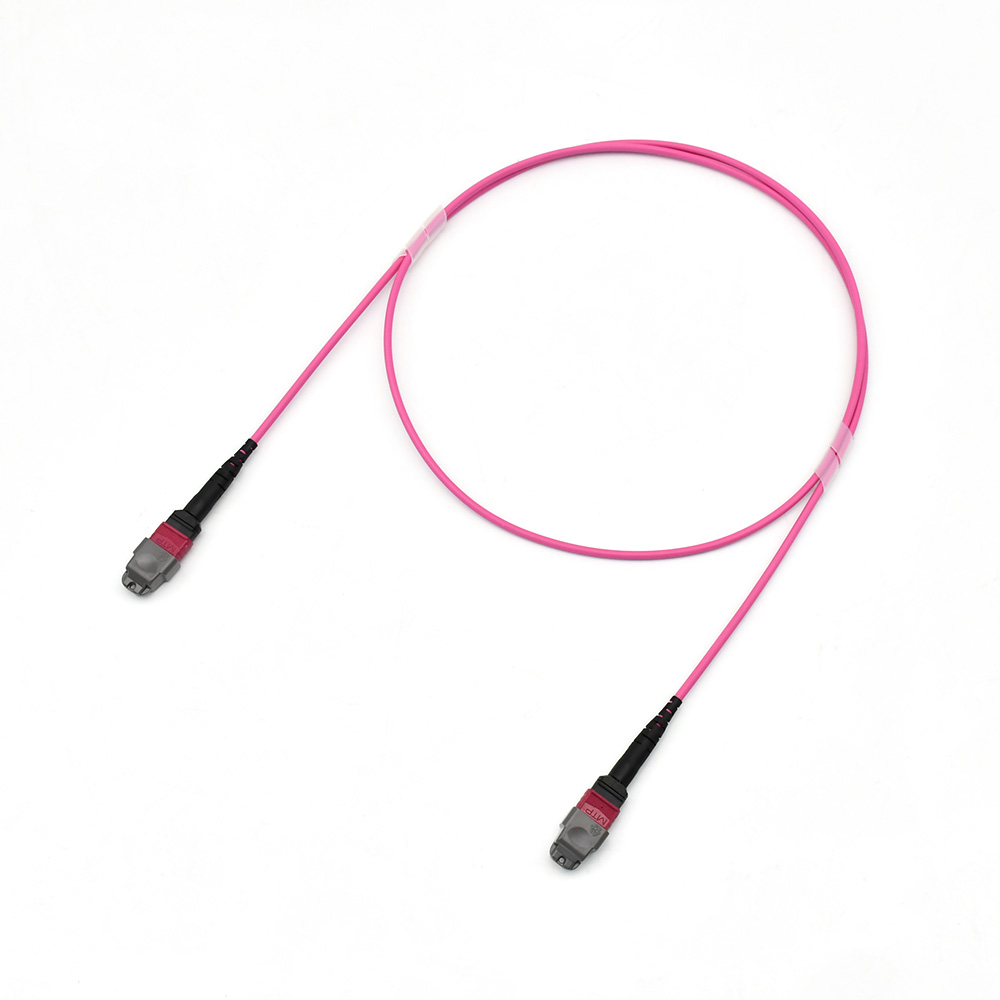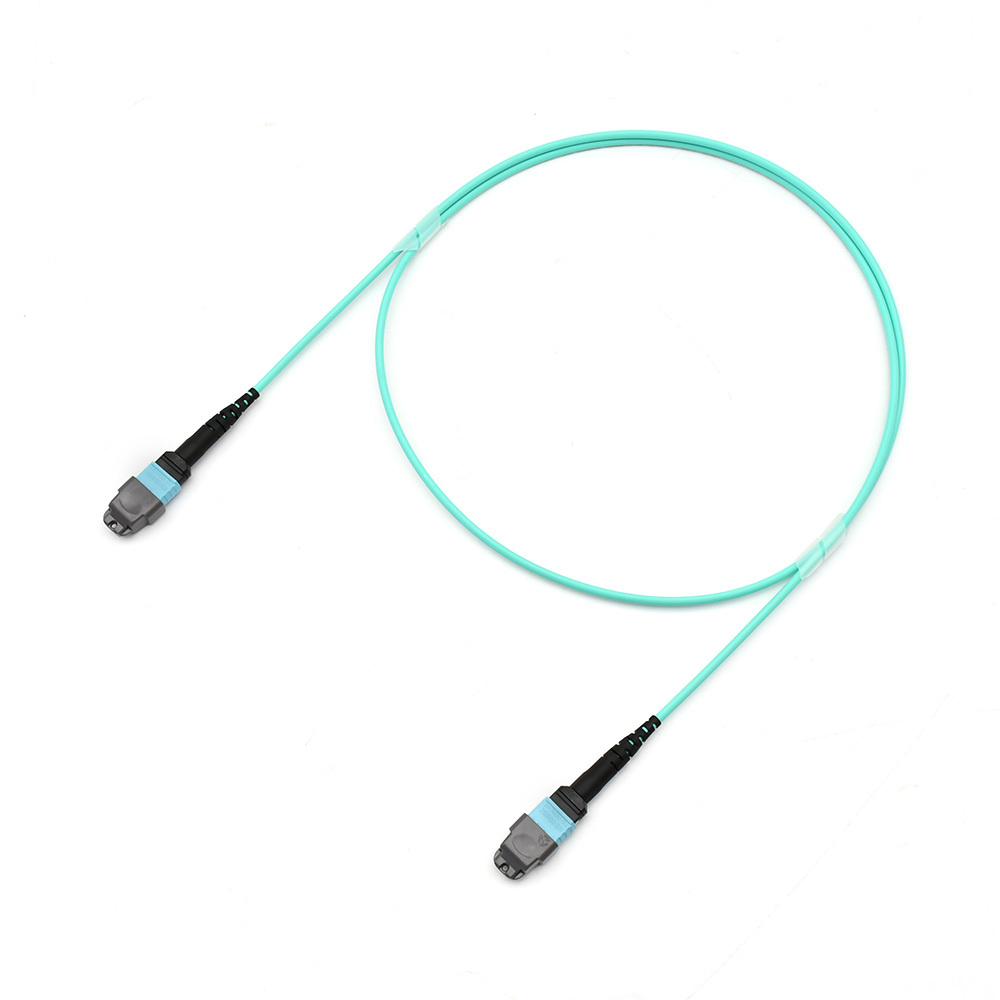
Modern data centers move a huge amount of data every second. To keep up with this demand, networks need compact and high-speed fiber optics. This is where the MPO MTP Connector comes in. It allows multiple fibers to connect in one small interface. Instead of using many single connectors, you can use one multi-fiber connector to save space and speed up installation.
An MPO MTP Connector supports 40G, 100G, and even 400G networks. That makes it a popular choice in high-density cabling systems. Many IT teams use MPO and MTP fiber connectors in cloud facilities, enterprise networks, and large server rooms. These connectors help reduce cable clutter and improve performance at the same time.
In this blog post, we will break down how MPO and MTP connectors work, how they differ, and where they fit in modern fiber optic networks. You will get a clear and simple explanation without technical confusion.
What Is an MPO Connector?
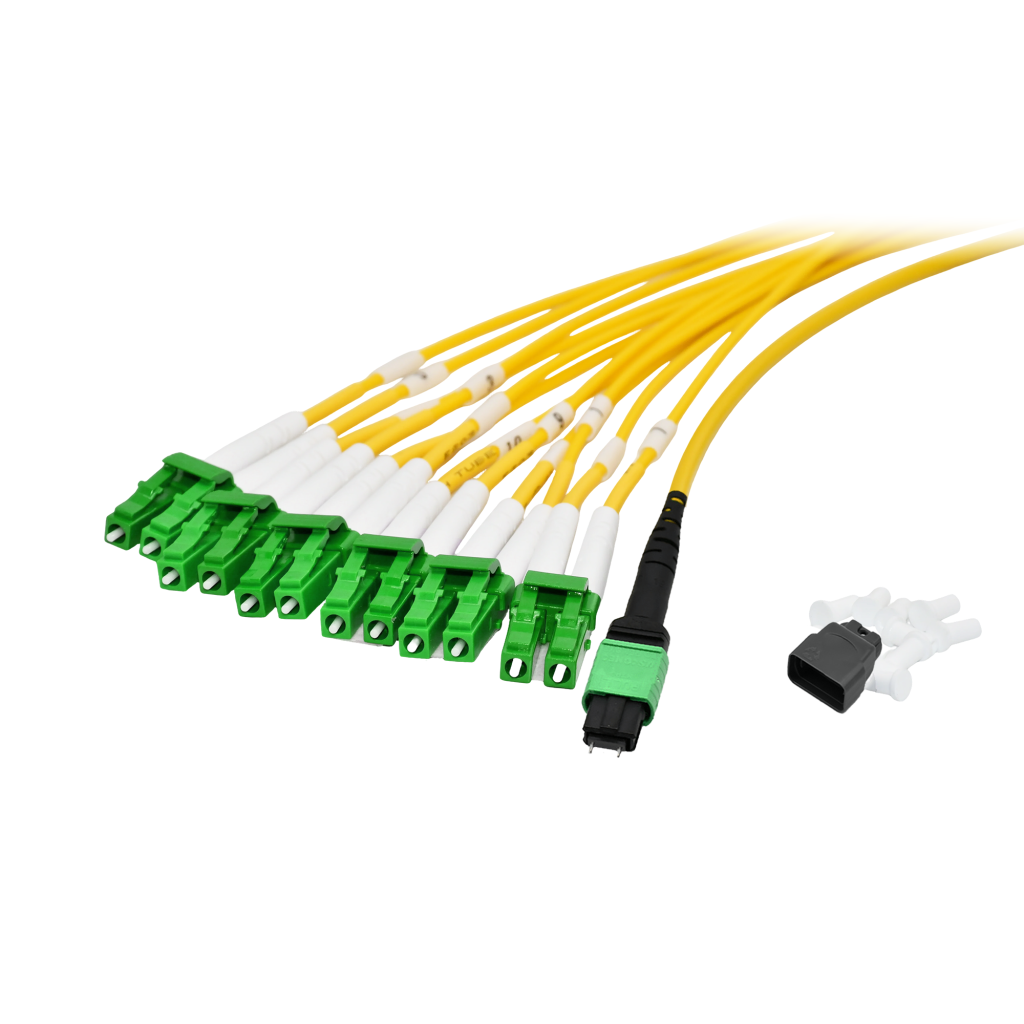
An MPO connector stands for Multi-Fiber Push-On connector. It is a type of fiber optic connector that holds multiple fibers inside one single plug. Instead of connecting one fiber at a time like an LC or SC connector, an MPO connector can connect 8, 12, 16, or even 24 fibers at once.
This design makes it ideal for high-density fiber cabling. Data centers and enterprise networks use MPO connectors to handle large amounts of data in a small space. The connector uses a rectangular MT ferrule that keeps all fibers aligned in a straight row. When two MPO connectors snap together, guide pins help align the fibers with precision so light can pass through correctly.
Because it connects many fibers in one click, the MPO connector speeds up installation and reduces cable clutter. It plays a key role in 40G, 100G, and 400G network systems where efficiency and space savings matter most.
What Is an MTP Connector?
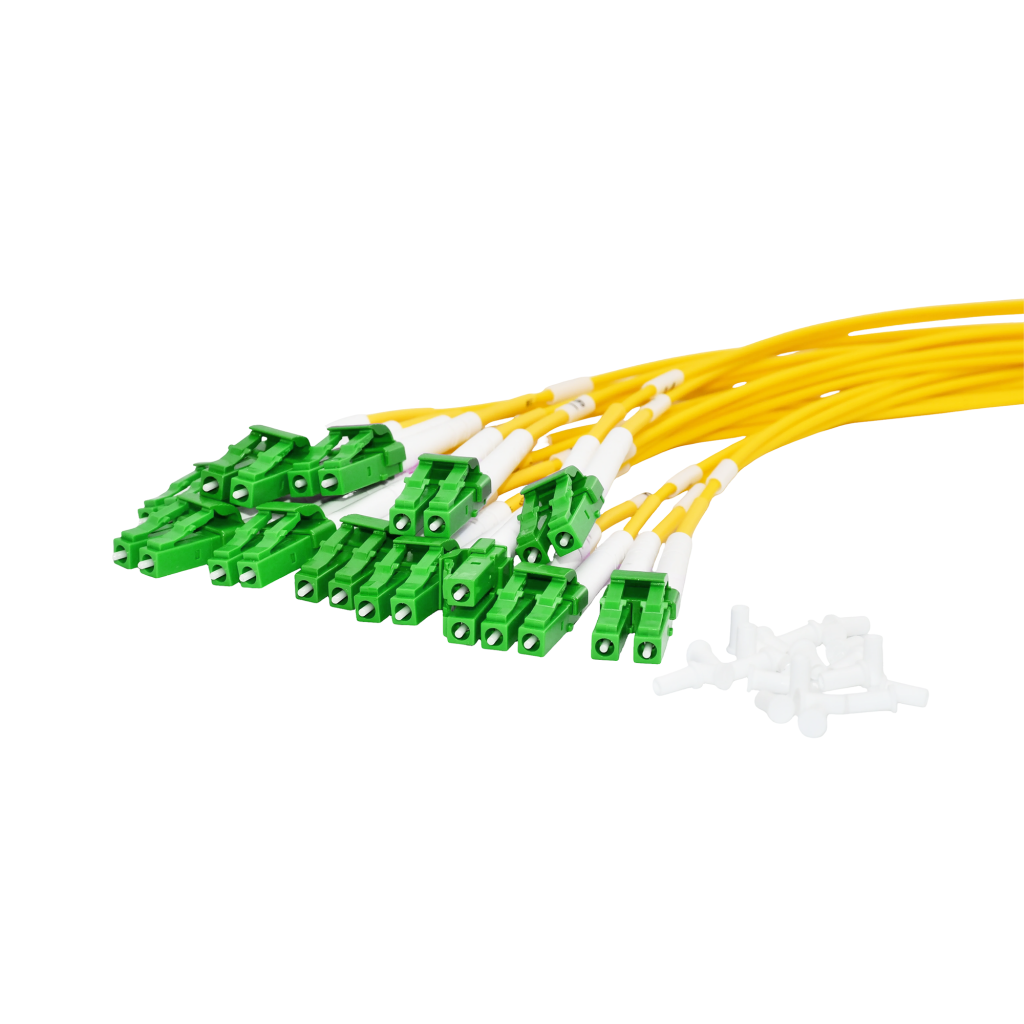
An MTP connector is a high-performance version of the MPO connector. The name MTP stands for Mechanical Transfer Push-On. It is a registered brand developed by US Conec. While it looks similar to a standard MPO connector, it includes several design improvements that enhance performance and durability.
An MTP connector uses the same multi-fiber ferrule structure, so it can hold 8, 12, 16, or 24 fibers in one interface. However, it offers tighter tolerances and better alignment. It includes an improved spring design, stronger guide pins, and a removable housing. These features help reduce insertion loss and improve signal stability.
When people mention an MPO MTP Connector, they often refer to this upgraded MTP design. It supports high-speed networks like 40G, 100G, and 400G systems. Many data centers prefer MTP connectors because they provide better optical performance and allow easier field changes. This makes them a reliable choice for modern high-density fiber networks.
Types of MPO/MTP Connectors
The MPO MTP Connector comes in different versions. Each type fits a specific network need. Choosing the right one depends on speed, distance, and system design.
Here are some of the different types:
Male vs Female
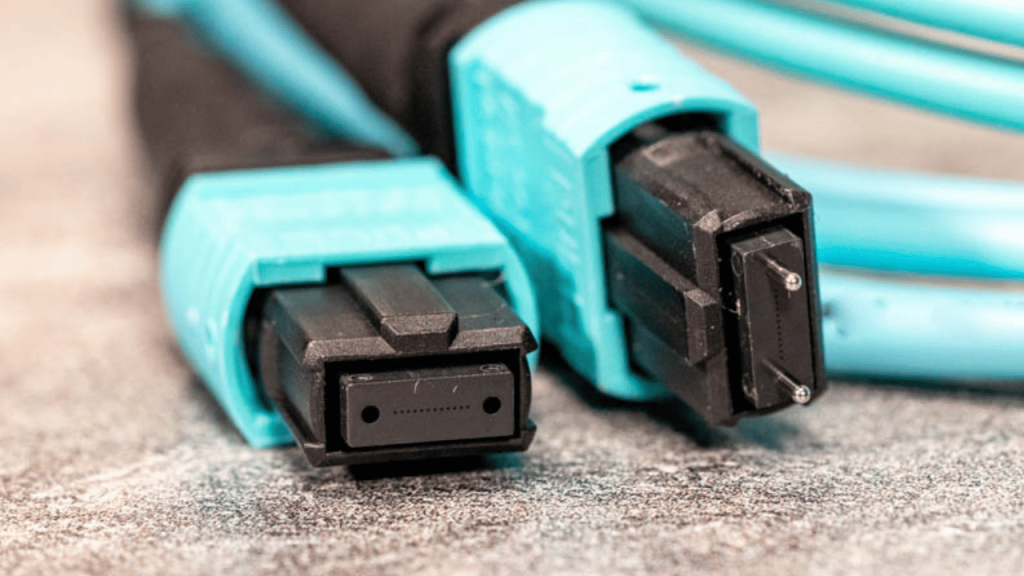
The difference between male and female connectors depends on alignment pins. A male MPO MTP Connector has two metal guide pins. These pins help align the fibers during connection. A female connector does not have pins. Instead, it has holes that receive the pins from the male side.
You must connect one male to one female connector. If you connect male to male, the pins will clash. If you connect female to female, alignment will fail. Proper pairing ensures stable fiber alignment and low signal loss.
Single Mode vs Multimode
Single-mode connectors support long-distance transmission. They work well for telecom links and large campus networks. They often use OS2 fiber. Multimode connectors support shorter distances. They are common in data centers. They use OM3, OM4, or OM5 fiber types.
The MPO MTP Connector supports both fiber types. The choice depends on your network distance and bandwidth needs.
UPC vs APC End Face
The end face polish affects signal reflection. UPC (Ultra Physical Contact) has a flat polished surface. It works well in most multimode applications.
APC (Angled Physical Contact) has an 8-degree angled surface. This angle reduces back reflection. It performs better in single-mode high-speed networks. The correct polish helps maintain signal quality and prevent return loss issues.
8-Fiber vs 12-Fiber vs 24-Fiber
Fiber count defines how many optical channels run through one connector.
An 8-fiber MPO MTP Connector often supports 40G or 400G DR4 setups.
A 12-fiber version remains common in traditional trunk cabling.
A 24-fiber version supports higher density links and backbone connections.
Higher fiber counts increase network density and reduce the number of physical cables.
Elite vs Standard Versions
Standard MPO connectors meet general performance requirements. They work well for many commercial installations.
Elite MTP connectors offer lower insertion loss. They use tighter manufacturing tolerances. This makes them suitable for 100G and 400G high-speed systems where every fraction of a decibel matters. Many data centers prefer Elite versions for critical backbone links.
MPO vs MTP Connector What’s the Real Difference?
Many people use the terms MPO and MTP as if they mean the same thing. They look similar. They follow the same standards. They even connect to each other. But they are not exactly the same. An MPO connector is the standard multi-fiber push-on connector. Many manufacturers produce it. It meets IEC and TIA standards. It works well for high-density fiber networks.
An MTP connector is a branded and upgraded version of the MPO connector. US Conec developed it with better internal design. It improves alignment, durability, and optical performance. When people mention an MPO MTP Connector, they often mean the higher-quality MTP version.
How Does an MPO/MTP Connector Work Internally?
To understand the MPO MTP Connector, you need to look inside the connector. It may look simple from the outside, but several small parts work together to move light signals with precision. Each part plays a clear role in alignment, pressure, and signal flow.
Here’s how these connectors work internally:
Fiber Alignment Using Guide Pins
An MPO MTP Connector comes in male and female versions. The male connector has two metal guide pins. The female connector has two small holes.
When you connect them, the pins slide into the holes. This action lines up both connectors before the fibers touch. The guide pins make sure each fiber core sits exactly opposite its matching fiber. Without this alignment, signal loss would increase.
This male-to-female mating design keeps the connection stable in high-speed fiber optic networks.
MT Ferrule Precision Alignment
Inside the MPO MTP Connector, you will find an MT ferrule. This ferrule holds multiple fibers in one single block. The fibers sit in a straight row with a 0.25 mm pitch between them.
That spacing allows 8, 12, 16, or 24 fibers to stay perfectly aligned inside a compact area. The ferrule keeps every fiber core in the correct position. When two ferrules meet, each fiber lines up with its matching fiber on the other side.
Spring Force & Physical Contact
A small spring sits inside the connector housing. When you push two connectors together, the spring compresses. This compression creates firm physical contact between the ferrule end faces. Good contact reduces air gaps. Fewer gaps mean lower insertion loss and better signal strength.
The spring also absorbs small movements. That helps maintain a stable connection even if the cable shifts slightly.
Light Transmission Across Multiple Fibers
Once aligned and compressed, light travels from the transmitter (Tx) side to the receiver (Rx) side. Each fiber carries its own light signal.
In a 12-fiber MPO MTP Connector, multiple channels move at the same time. This design supports high-speed systems like 40G and 100G networks.
Each fiber must connect to the correct receiving fiber. If the mapping is wrong, the link will fail. That is why alignment and polarity matter so much.
Polarity Mapping (Type A, B, C)
Polarity controls how the transmit and receive fibers connect.
- Type A keeps the fibers in straight order. Fiber 1 connects to Fiber 1.
- Type B flips the order. Fiber 1 connects to Fiber 12.
- Type C flips each fiber pair.
This flipping logic ensures that Tx connects to Rx correctly across the link. Without proper polarity, even a perfectly clean MPO MTP Connector will not transmit data.
How MPO/MTP Connectors Are Used in 40G, 100G, and 400G Networks
The MPO MTP Connector plays a key role in modern high-speed networks. It allows multiple data channels to move through one compact fiber interface. This makes it ideal for 40G, 100G, and 400G deployments in data centers.
Instead of running many separate duplex cables, network engineers use one multi-fiber MPO MTP Connector to carry parallel signals. This reduces cable bulk and improves airflow inside racks.
Let’s look at how this works in real network setups:
40G QSFP+ to 4x10G Breakout
In a 40G network, a QSFP+ transceiver uses 4 transmit fibers and 4 receive fibers. That makes a total of 8 active fibers.
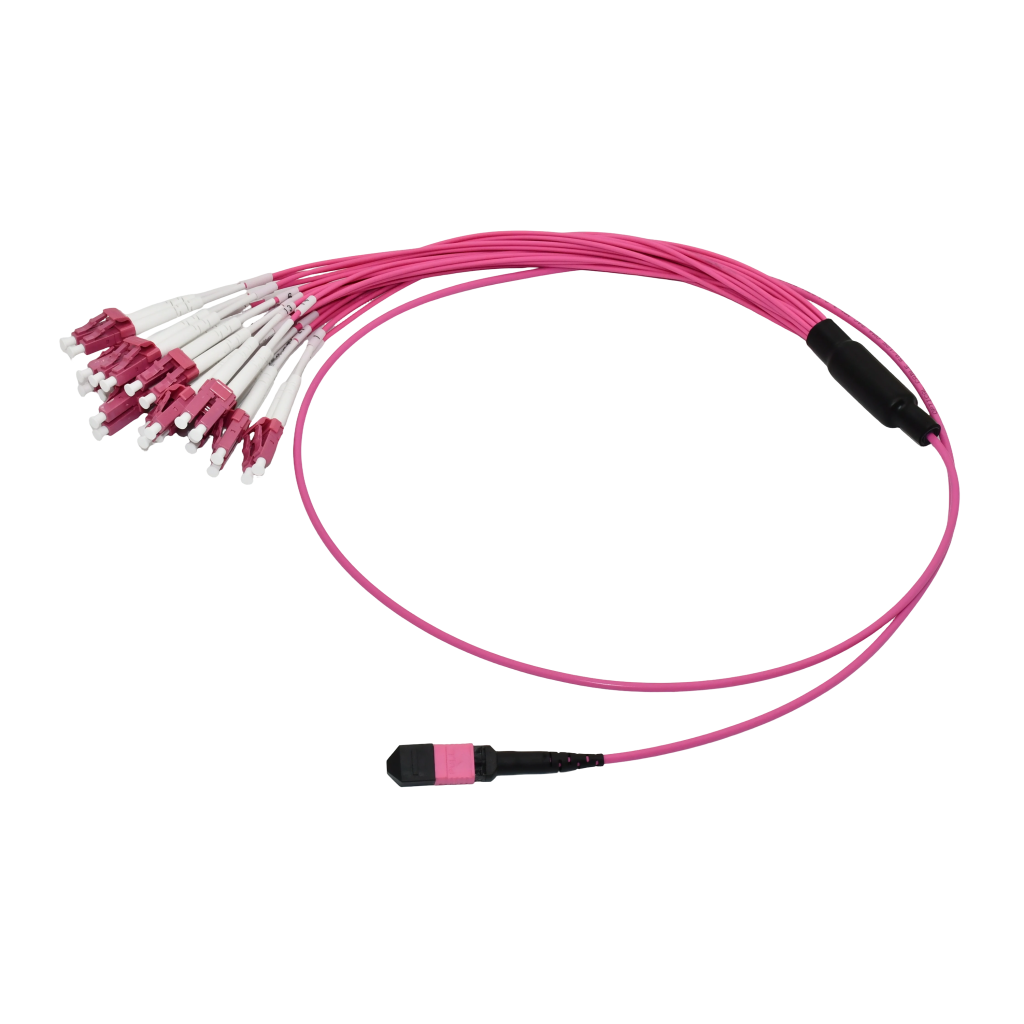
An MPO MTP Connector with 12 fibers connects to the QSFP+ module. From there, a breakout cable splits the connection into four separate 10G LC duplex links.
Each 10G port connects to a different switch or server. This setup allows one 40G port to serve four 10G devices. Many enterprise data centers use this method during network upgrades.
100G QSFP28 to 4x25G
In a 100G setup, QSFP28 modules often use parallel optics. They send data across 4 transmit and 4 receive fibers, similar to 40G but at higher speed.
An MPO MTP Connector supports this parallel design. A breakout cable converts the 100G port into four 25G connections. Each link runs on its own fiber pair.
Cloud providers use this setup to scale networks step by step. It allows smooth migration from 25G access layers to 100G uplinks.
400G DR4 / SR8 Applications
In 400G networks, the MPO MTP Connector becomes even more important.
For example:
- 400G DR4 uses 8 fibers (4 transmit and 4 receive).
- 400G SR8 uses 16 fibers (8 transmit and 8 receive).
These high-speed links rely on precise alignment and low insertion loss. Even small alignment errors can impact performance. That is why many operators choose high-performance MTP versions for 400G deployments. Hyperscale data centers use these connections for AI clusters, cloud computing, and high-performance storage networks.
Spine-Leaf Data Center Architecture
Most modern data centers use a spine-leaf design. Leaf switches connect to servers. Spine switches connect all leaf switches together.
In this architecture, hundreds of high-speed links run between racks. The MPO MTP Connector helps manage these connections efficiently. It reduces cable congestion and allows faster deployment.
For example, a cloud data center may use 100G links between leaf and spine switches. Each rack connects through MPO trunk cables. Technicians can install or replace links quickly without rewiring individual fibers.
Conclusion
If you’re planning or upgrading a network, having the right connectors and cables makes a huge difference. Explore products at aofplus.com We offer a wide range of high-quality fiber optic solutions, including MPO/MTP connectors, patch cables, transceivers, and more. With over 20,000 products in stock and a focus on quality and fast delivery, you can find everything you need for your data center, enterprise, or campus network in one place.
Thanks for reading! We hope this article helps you choose and use MPO MTP Connectors with confidence in your next network project.