Fiber networks keep getting faster, and choosing the right cable plays a big role in performance. A Single Mode Fiber Patch Cable stands out when you need reliable speed over long distances. It carries light signals in a straight path, which helps reduce signal loss and keeps your connection stable. This makes it a strong choice for data centers, telecom setups, and large networks.
At the same time, many setups still use multimode fiber optic patch cables for shorter runs. You will also see options like SC/LC fiber patch cable and LC SC fiber patch cable, which connect different devices with ease. Each type serves a purpose, and the right choice depends on your network needs.
In this blog post, you will learn how a Single Mode Fiber Patch Cable compares with other options and which one fits your setup best.
What Is a Single Mode Fiber Patch Cable?
A Single Mode Fiber Patch Cable is a type of fiber optic cable designed to carry light signals in a single, straight path. It has a very small core, usually around 9 microns, which helps reduce signal loss and keeps the connection stable over long distances. This is why it works best for telecom networks, data centers, and large-scale infrastructure.
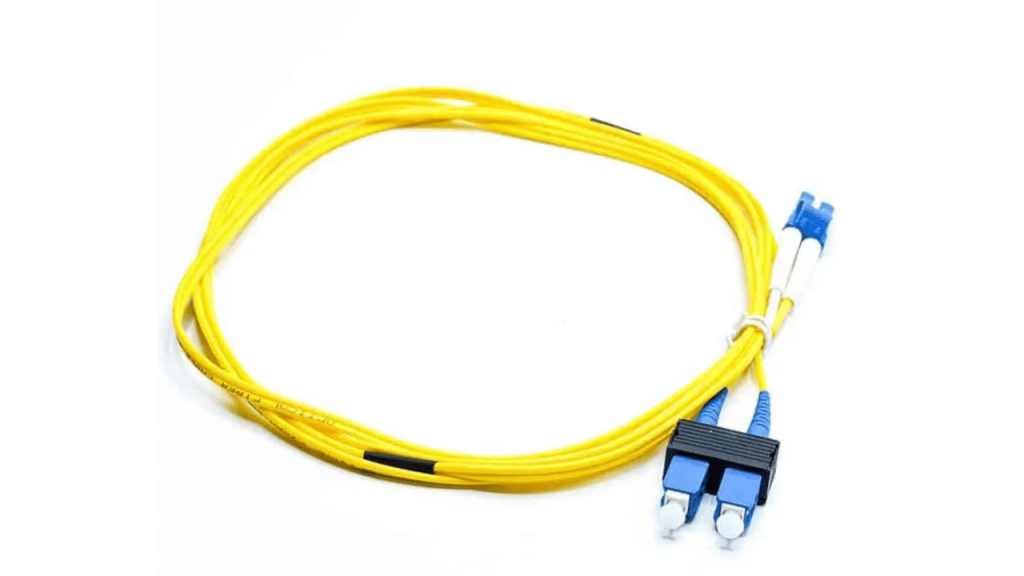
These cables often come in yellow and support high-speed data transmission across kilometers without major loss in quality. You will commonly see them in formats like SC/LC fiber patch cable or LC SC fiber patch cable, making them easy to connect with different networking devices. If your setup needs long-distance performance and consistent speed, this type of cable is a strong choice.
What Is a Multimode Fiber Patch Cable?
A Multimode Fiber Patch Cable is designed to carry multiple light signals at the same time through a larger core, usually 50 or 62.5 microns. Because of this, the light travels in different paths, which can cause signals to spread over longer distances.
These cables are usually aqua or orange and work best for short-distance connections, such as office networks, server rooms, and small data setups. Many users choose multimode fiber optic patch cables because they cost less and are easier to install for shorter runs.
You will also find them in common connector types like fiber LC SC patch cable, which makes them practical for everyday networking. If your network covers a limited area and you want a budget-friendly option, multimode cables are a good fit.
Is Single Mode Fiber Faster Than Multimode?
A Single Mode Fiber Patch Cable is not always “faster” than the multimode cable in the way people think, but it performs better over long distances. It carries light in a straight path, which reduces signal loss and keeps the speed consistent even across many kilometers. This makes it ideal for high-speed networks where stability matters.
On the other hand, multimode fiber optic patch cables can also support high speeds like 10G, 40G, or even 100G, but only over short distances. Because the light travels in multiple paths, the signal spreads out over longer runs, which can reduce performance.
In simple terms, both types can deliver high speed. The real difference is distance and signal quality. A Single Mode Fiber Patch Cable maintains speed over long distances, while multimode works best for short, cost-effective setups like offices or small networks.
When Should You Use Single Mode Fiber?
You should use a Single Mode Fiber Patch Cable when your network needs strong and stable performance over long distances. It is built to carry signals without much loss, which makes it the best option for large and high-speed systems.
It works well for telecom networks where data needs to travel across cities or even between buildings. Many data centers also use single mode for backbone connections because it keeps speed consistent and reliable. If you are connecting different floors or buildings in a large campus, this cable gives better long-term performance.
A Single Mode Fiber Patch Cable is also the right choice when you plan to upgrade your network in the future. It supports higher bandwidth and can handle growing data needs without frequent changes. If distance, speed stability, and scalability matter in your setup, single mode fiber is the better option.
Types of Fiber Patch Cables You Should Know
Fiber networks use different types of patch cables depending on the setup and connection needs. Each type serves a specific role, from simple device connections to complex high-density systems. Understanding these options helps you choose the right cable for better performance and easier installation.
Here are some of the most common types:
MPO / MTP Fiber Patch Cables (High-Density Networks)
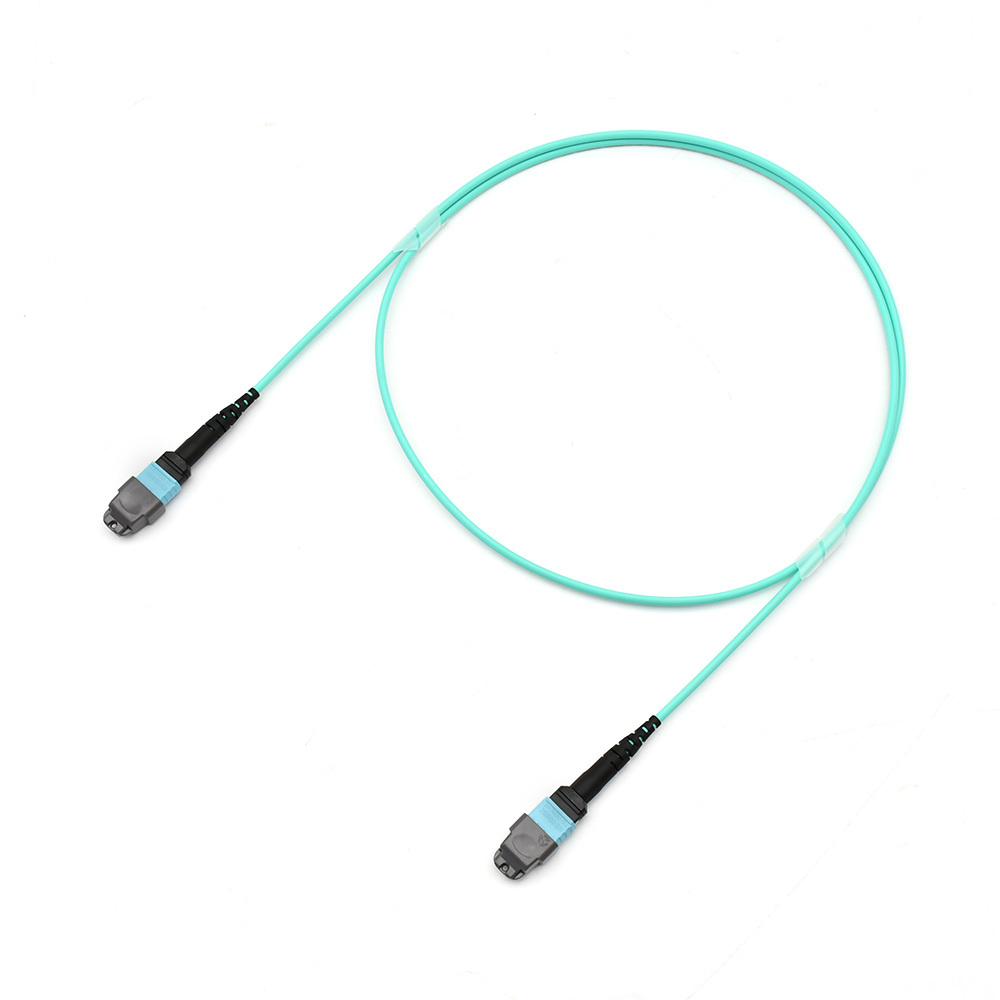
MPO and MTP cables are designed for high-density environments like data centers. They carry multiple fibers in a single connector, which makes them ideal for handling large amounts of data. These cables support high-speed applications like 40G and 100G, and they help reduce cable clutter in complex setups. If you need scalable and efficient connections, this type works very well.
Fiber Optic Patchcords (Most Common Choice)
Fiber optic patchcords are the most widely used cables in networking. You will often see them as SC/LC fiber patch cable or LC SC fiber patch cable, which connect switches, routers, and other devices. They come in both single mode and multimode versions, making them flexible for different setups. These cables offer a simple and reliable way to connect everyday network equipment.
Fiber Optic Pigtails (For Splicing Applications)
Fiber optic pigtails have a connector on one end and a bare fiber on the other. This design makes them useful for splicing and permanent installations. Technicians use pigtails when they need to connect fibers inside distribution boxes or panels. They help create clean and stable connections in custom network setups.
Fanout Fiber Optic Patchcords (Breakout Solutions)
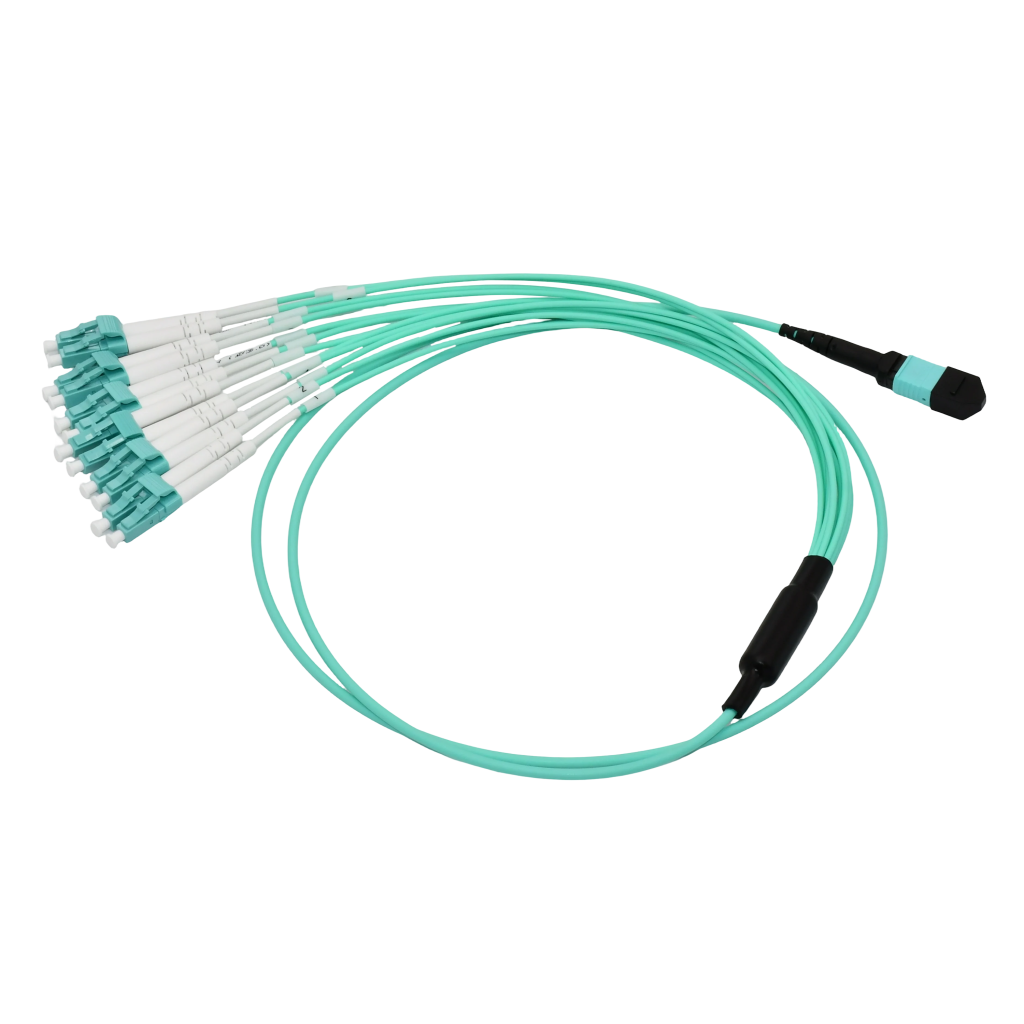
Fanout patchcords split a multi-fiber cable into several individual connectors. This makes them useful for organizing and managing multiple connections in one place. They are often used in structured cabling systems where space and cable management matter. If you want a neat and efficient setup, fanout cables provide a practical solution.
How to Choose the Right Fiber Patch Cable?
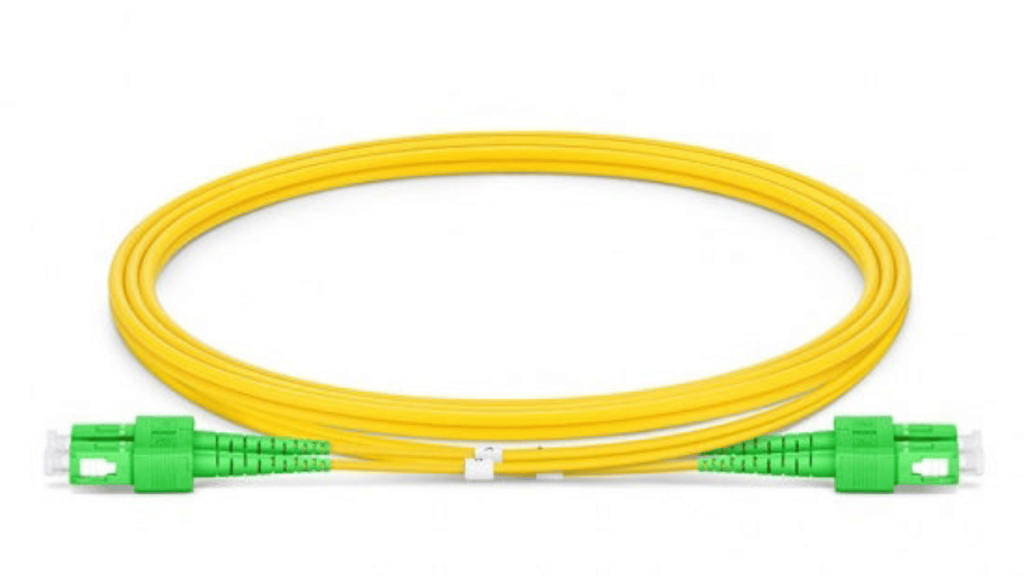
Choosing the right fiber patch cable depends on how your network works and what you expect from it. A small setup may need a simple solution, while a large system needs better performance and planning. When you understand a few key factors, it becomes much easier to pick the right option.
Consider Distance Requirements
Start with the distance your data needs to travel. A Single Mode Fiber Patch Cable works best for long distances because it keeps the signal strong over kilometers. For shorter runs inside offices or buildings, multimode fiber optic patch cables are usually enough and more cost-effective.
Check Network Speed Needs
Think about the speed your network requires now and in the future. Both single mode and multimode cables support high speeds, but single mode maintains performance over longer distances. If you plan to scale your network, choosing a higher-capacity cable can save time later.
Evaluate Budget vs Performance
Budget always plays a role. Multimode cables cost less and work well for short setups. A Single Mode Fiber Patch Cable may cost more upfront, but it offers better long-term value for larger networks. Balance your budget with the performance you need.
Choose the Right Connector Type
Connectors must match your devices. Common options include SC/LC fiber patch cable, fiber LC SC patch cable, and LC SC fiber patch cable. Each type fits different ports, so always check compatibility before buying.
Final Thoughts
Choosing the right fiber cable comes down to your network needs. A Single Mode Fiber Patch Cable gives you better performance over long distances and keeps your connection stable as your network grows. On the other hand, multimode fiber optic patch cables work well for shorter setups and offer a more budget-friendly option. Both have their place, and the right choice depends on distance, speed, and future plans.
If you want reliable and high-quality fiber solutions, AOF Plus offers a wide range of options to fit different setups. From SC/LC fiber patch cable to advanced MPO/MTP solutions, you can find everything you need in one place.
If you are looking for durable and performance-focused patch cables, visit our website and explore the full collection. Investing in the right cable now helps you build a faster and more reliable network for the long run.