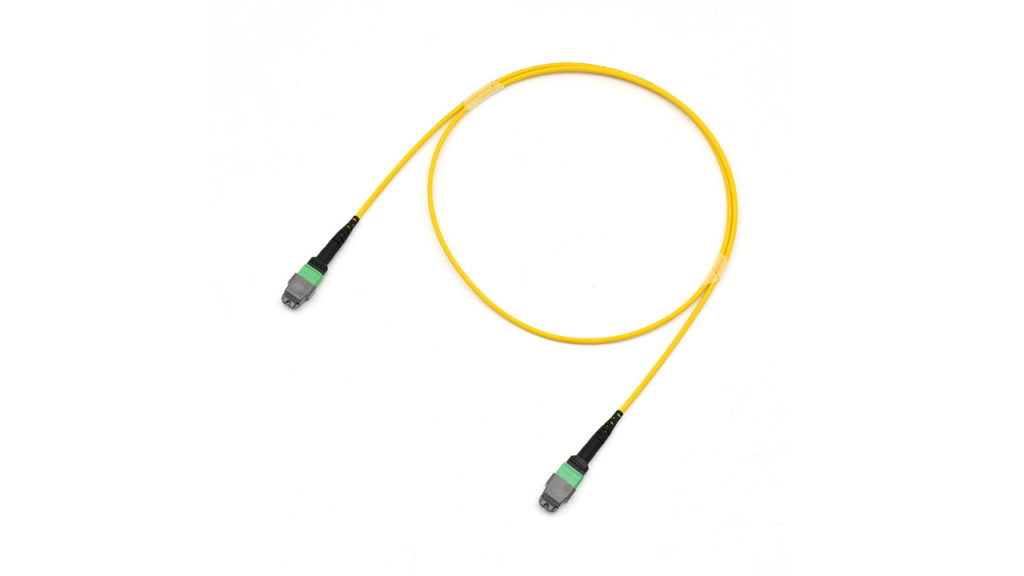
Data centers in 2026 face more pressure than ever before. AI workloads, 400G and 800G rollouts, and nonstop cloud growth all demand faster and cleaner cabling. That’s where MTP fiber cable comes in as the go-to solution for modern networks.
MTP cables pack many fibers into one small connector. They save rack space, speed up installation, and move huge amounts of data without breaking a sweat. Network engineers love them because they cut cable clutter, simplify upgrades, and keep airflow smooth inside busy server rooms.
And the technology keeps getting better every year. In this blog post, we’ll walk through the top 5 benefits of MTP fiber cable in 2026, from high-density connections and plug-and-play setup to future-ready scalability. You’ll also see how MTP fiber optic cables stack up against MPO options, where they shine brightest, and how to choose the right cable for your setup.
What Is an MTP Fiber Cable?
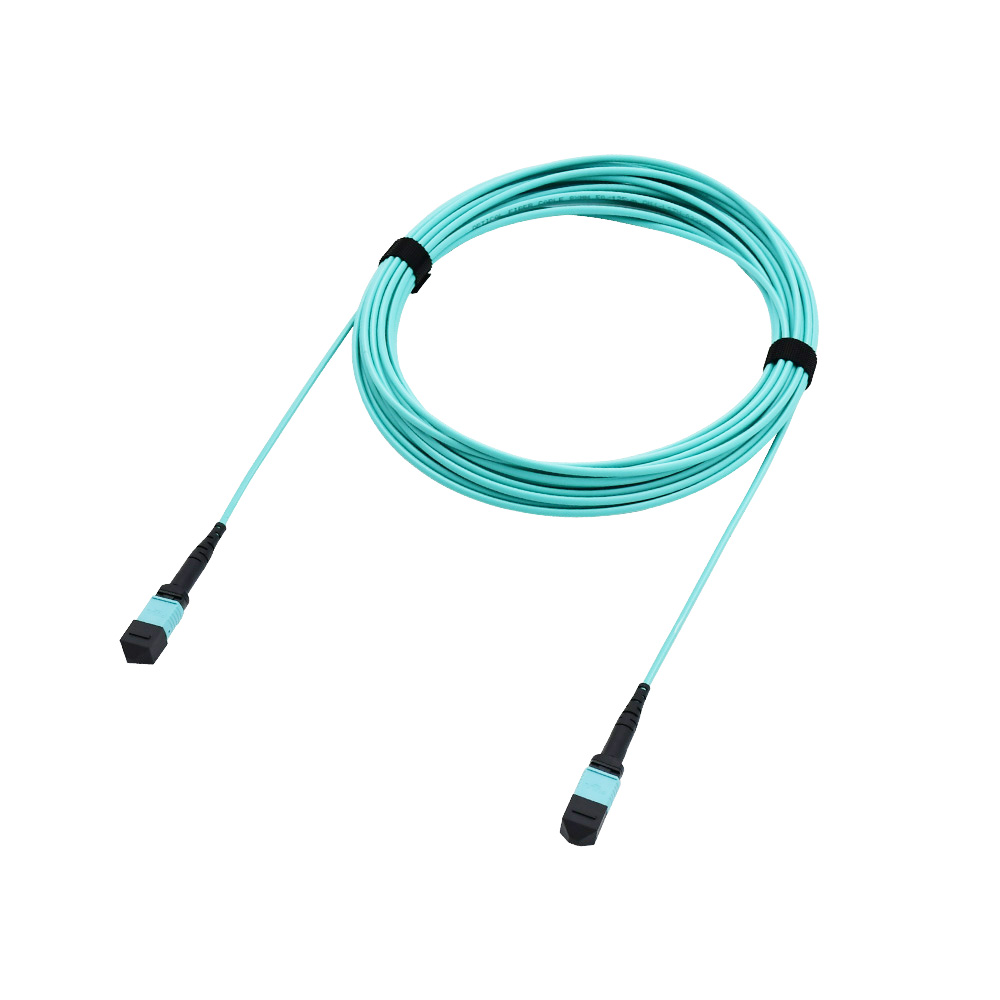
An MTP fiber cable is a high-density fiber optic cable that holds multiple fibers inside a single connector. The name stands for Multi-fiber Termination Push-on, and it was developed by US Conec as an upgraded version of the standard MPO connector.
Instead of using one cable per fiber pair, MTP cables bundle 8, 12, 16, 24, or even 32 fibers into one compact connector. This design saves a ton of space and makes cabling much cleaner inside data centers.
MTP cables come pre-terminated from the factory. That means you just plug them in and go, no splicing, no special tools, and no skilled technicians needed on site. They support high-speed networks like 40G, 100G, 400G, and 800G, which is why they’re the top pick for modern data centers, AI clusters, and telecom backbones.
MTP vs MPO: Understanding the Key Difference
People often use MTP and MPO to mean the same thing, and honestly, they’re closely related. But they’re not identical.
MPO stands for Multi-fiber Push-On. It’s the original multi-fiber connector type that follows global IEC standards. MTP, on the other hand, is a registered trademark of US Conec. Think of MTP as a premium, upgraded version of MPO with better build quality and performance.So what makes MTP different?
A few small but important design tweaks:
- Floating ferrule that keeps fibers aligned even when the cable gets bumped
- Metal pin clamps instead of plastic ones, which adds durability
- Elliptical guide pins that reduce wear and tear over time
- Removable housing that lets you rework or repolish the connector
The result? Lower insertion loss, longer lifespan, and more reliable signals. Both connectors are fully compatible with each other, so you can mix them in the same system without any issues.
Top 5 Benefits of MTP Fiber Cable in 2026
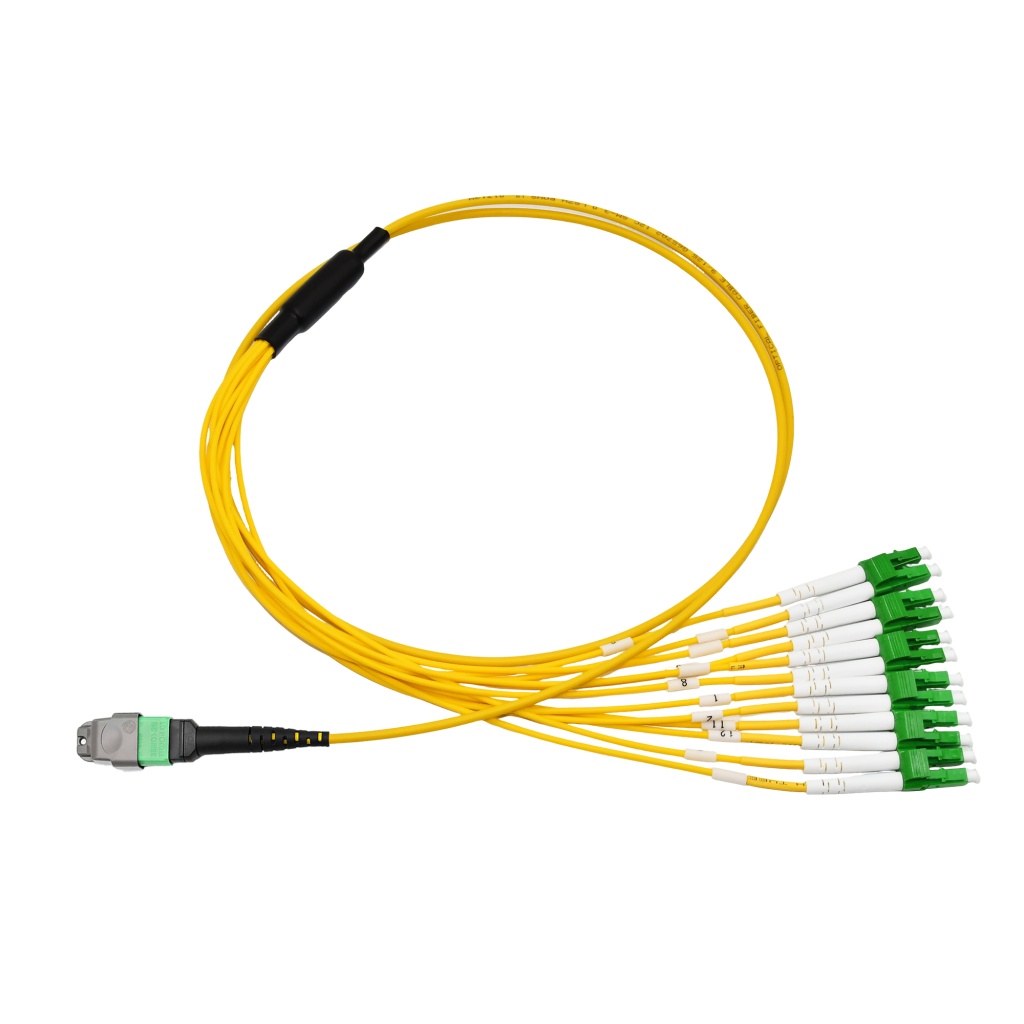
MTP fiber cables have quietly become the backbone of modern network infrastructure. They handle the massive data loads that AI, cloud computing, and 5G networks throw at them every single day. These cables save space, cut installation time, and keep networks ready for whatever comes next.
Here are the top 5 benefits of MTP fiber cable that make it the smart pick for modern networks in 2026:
Ultra-High Fiber Density for Space-Constrained Data Centers
Space is gold in today’s data centers. Every inch of rack room matters, especially with AI clusters and cloud servers taking over floor plans. MTP fiber cables solve this problem by packing way more fibers into a single connector.
A traditional duplex setup can fit around 144 fibers in a 1U housing. Swap in MTP cables, and that same 1U space can hold up to 864 fibers. That’s 6× the density in the exact same footprint.
This kind of compact design also cuts down on cable trays, patch panels, and overall clutter. You get more bandwidth in less space, which is exactly what modern hyperscale and colocation facilities need.
Plug-and-Play Installation That Cuts Deployment Time by Up to 75%
Nobody has time for slow cable rollouts in 2026. MTP fiber cables come pre-terminated and factory-tested, so installation is basically plug-and-play.
No specialized tools. No expensive technicians spending full days on a single rack. Just connect the cables, snap them in, and you’re done. Traditional fiber setups often take hours per link, but MTP cables can shrink that job by up to 75%.
This matters most during large-scale deployments like new data center builds or major upgrades. Faster installation means lower labor costs, fewer errors, and quicker time to revenue. It’s a win for both project managers and finance teams.
Seamless Scalability from 100G to 400G and 800G
Here’s where MTP cables really shine for 2026 and beyond. Network speeds keep climbing, and cabling needs to keep up without forcing a full rebuild.
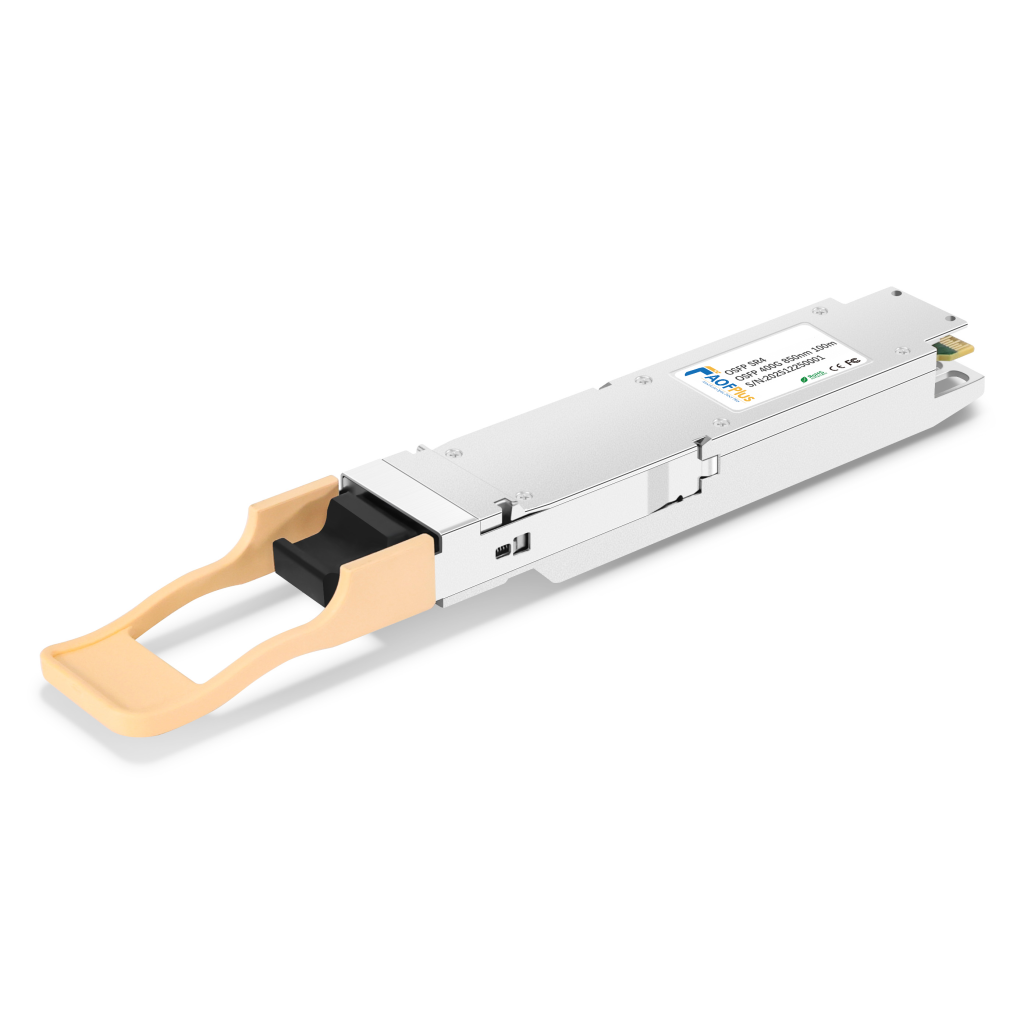
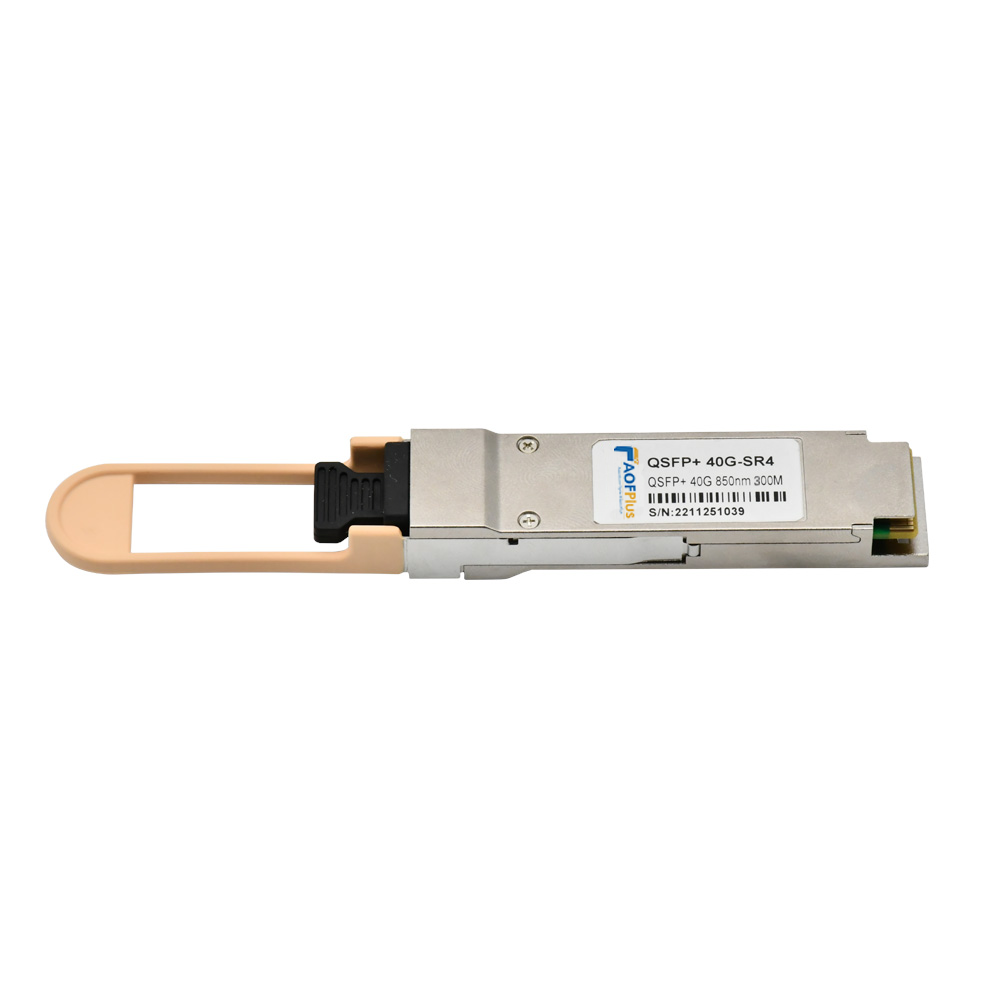
MTP fiber cables support 40G, 100G, 400G, and 800G networks right out of the box. That means you can roll out your infrastructure today and upgrade transceivers tomorrow, without ripping and replacing the cable plant. Just swap the optics and you’re ready for the next speed tier.
This future-proof design saves serious money over the long run. AI workloads, GPU clusters, and 800G migrations all demand this kind of flexibility. MTP cables give you a clear upgrade path, so your network grows with your business instead of holding it back.
Superior Signal Performance and Low Insertion Loss
Clean signals matter, especially when you’re running AI models or real-time trading platforms where every microsecond counts. MTP fiber cables deliver rock-solid performance right when you need it most.
The MTP Elite version cuts insertion loss by up to 50% compared to standard MPO connectors. That means stronger signals over longer distances and more headroom in your link budget. The floating ferrule design also keeps fibers perfectly aligned, even when cables get jostled or moved around.
For AI clusters, low-latency trading networks, and high-performance computing, this reliability is non-negotiable. MTP cables give you consistent, stable connections that won’t drop signals at the worst possible moment.
Better Airflow, Lower Cooling Costs, and Improved Sustainability
Here’s a benefit that hits the bottom line hard in 2026. Cooling costs are eating data center budgets alive, and cabling plays a bigger role than most people realize.
Traditional fiber setups create thick, tangled bundles that block airflow around servers. Hot air gets trapped, cooling systems work harder, and energy bills climb fast. MTP fiber cables fix this by replacing dozens of thick cables with fewer, slimmer ones.
Better airflow means lower cooling demand. Lower cooling demand means a better Power Usage Effectiveness (PUE) score and a smaller carbon footprint. With sustainability goals and energy costs both under the spotlight, MTP cables deliver real savings while helping your facility go greener.
Where MTP Fiber Cables Are Used in 2026
MTP fiber cables aren’t just a data center thing anymore. They power some of the most demanding networks in the world, from AI training farms to stock trading floors. Here’s where they make the biggest impact in 2026.
AI and Hyperscale Data Centers
AI is the hungriest customer in the networking world right now. Training large language models and running GPU clusters means moving enormous amounts of data between thousands of servers at once. Traditional cabling simply can’t keep up.
MTP fiber cables handle this load with ease. They connect GPU racks, spine switches, and storage systems at 400G and 800G speeds without breaking a sweat. Hyperscale operators like cloud providers and AI companies rely on MTP cables to keep their networks dense, fast, and ready for the next wave of AI growth.
Cloud Computing and Colocation Facilities
Cloud providers and colocation centers deal with thousands of tenants sharing the same physical space. Every square foot has to earn its keep, and every connection needs to be rock solid.
MTP fiber cables fit this world perfectly. Their plug-and-play design lets operators roll out new customer cabinets in hours instead of days. The high fiber density also means more bandwidth per rack, which is exactly what cloud workloads demand. Whether it’s AWS, Azure, or a regional colocation provider, MTP cables keep these facilities running smoothly.
Telecommunications and 5G Backbone
5G networks are everywhere in 2026, and they need serious fiber support behind the scenes. Every cell tower, edge location, and central office depends on a reliable backhaul network to deliver those fast speeds to your phone.
MTP fiber cables carry the heavy traffic between 5G base stations, core networks, and data centers. They support long-distance single-mode links as well as short multimode runs inside equipment rooms. Telecom operators love them because they simplify network rollouts and handle future speed upgrades without major rewiring.
High-Performance Computing (HPC) and Financial Trading Networks
Speed and reliability aren’t just nice-to-haves in HPC and trading they’re everything. A few microseconds of delay can cost millions in financial markets, and scientific simulations need constant, stable connections to finish on time.
MTP fiber cables deliver the low latency and signal stability these industries need. The floating ferrule design keeps signals clean even in busy, cable-heavy environments. Research labs, universities, and Wall Street trading floors all use MTP cabling to keep their most critical workloads running without hiccups.
Final Thoughts
The benefits of MTP fiber cable are hard to ignore in 2026. From higher density and faster installs to future-ready scalability, these cables bring real value to every modern network. Whether you run an AI data center, a cloud facility, or a 5G backbone, MTP cables keep your infrastructure fast, clean, and ready to grow.
At AOF, we specialize in high-performance fiber optic solutions built for today’s toughest network demands. We design, test, and deliver MTP fiber cables that meet global standards and match your exact setup. Our team helps you pick the right fiber count, polarity, and configuration so everything works right from day one.
Looking to buy MTP cables for your next project? Contact us today and let’s build something great together.