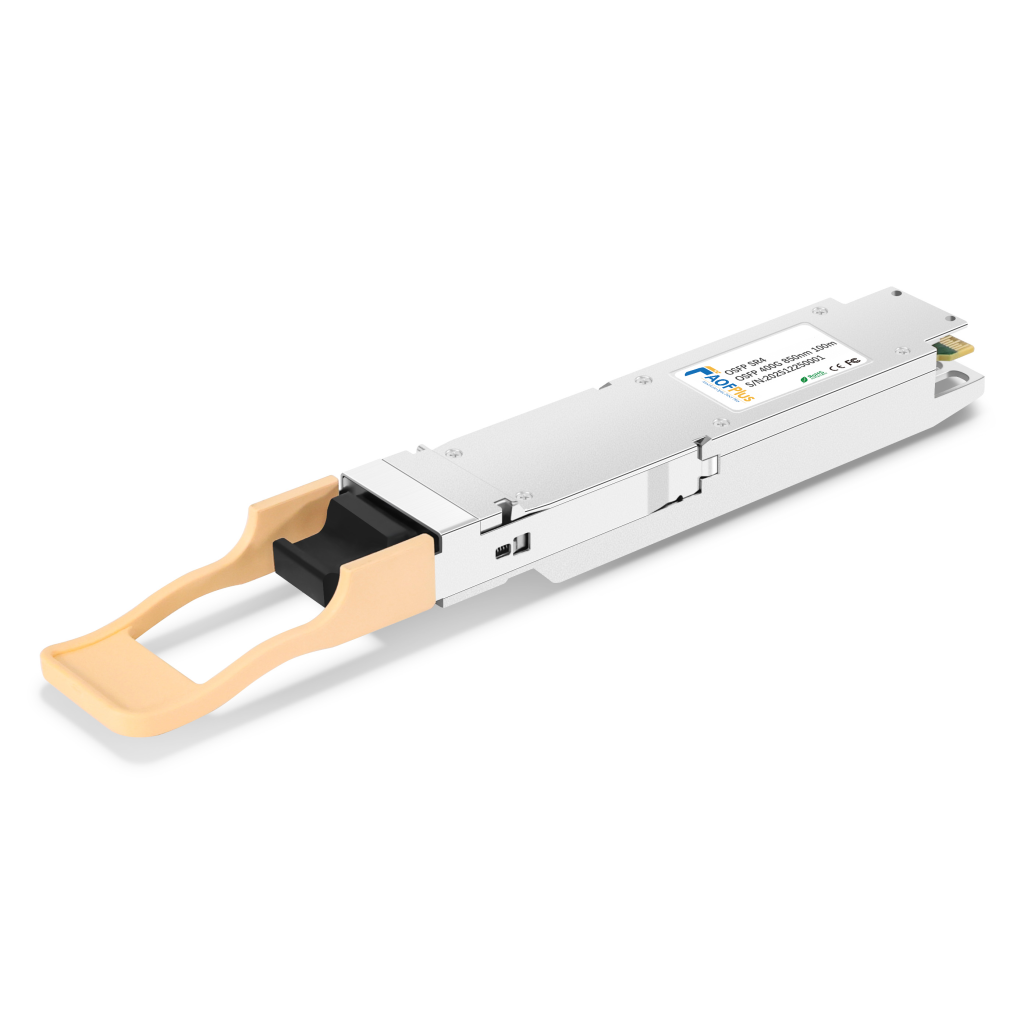
Optical transceivers are delicate optical devices that often run into various issues during use. There are simple ways to diagnose common optical transceivers issues, yet many users don’t know how to do it properly. In this article, we will explore typical optical transceivers faults and practical troubleshooting methods.
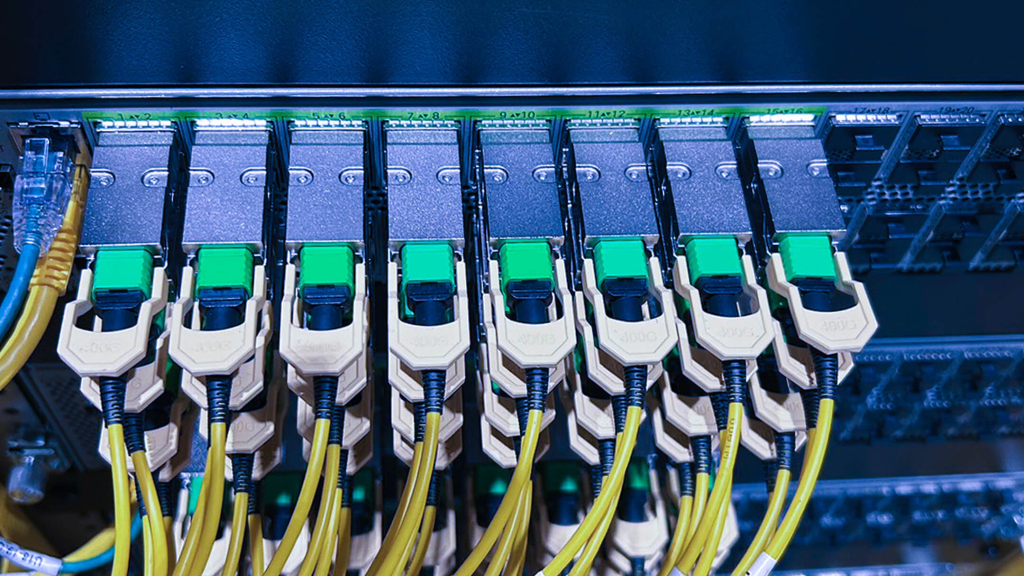
Common Issues with Optical Transceivers in Operation
Based on data analysis and user feedback gathered from various industries, common issues with fiber optic transceivers can be summarized as follows:
Compatibility Issues
Fiber transceiver compatibility issues are the most basic and common issues. They mainly happen due to mistakes when importing compatibility codes, device software updates that make old unupdated compatibility codes invalid, and errors that occur during the encoding process.
Packet Loss Issues
Packet loss in transceivers module has complex causes, which can be summarized into several main aspects. A mismatch between the electronic functional circuits of the optical transceiver and network devices will affect normal signal transmission. Incompatibility between the main control chip and supporting equipment also impairs data processing and triggers packet loss. Besides, physical line failures interfere with stable signal transmission and cause packet loss. Internal hardware faults of network devices can also lead to this problem. Meanwhile, incorrect routing information configuration will block normal data forwarding and result in transceiver packet loss.
Optical Port Contamination and Damage
Contamination or damage to optical transceivers interfaces can increase signal loss in optical links, resulting in link outages and communication exceptions. Main causes include dust contamination of optical ports exposed to the environment, secondary pollution to transceiver ports from pre-contaminated fiber connector end faces, scratched end faces caused by improper handling of pigtail fiber connectors, and poor port contact plus additional contamination brought by low-quality fiber optic connectors.
ESD Damage
ESD damage refers to the harm inflicted upon transceivers by electrostatic discharge. Specifically, it manifests as the electrostatic attraction of dust, which alters circuit impedance and thereby compromises the fiber optic transceiver’s functionality and lifespan.
Methods for Identifying Optical Transceiver Issues
After understanding above common issues with optical modules, we need to find ways to identify them and help us solve the issues in a timely manner. Below are some common methods for identifying optical modules issues.
Visual Inspection Method: Examine the Appearance of the Optical Transceiver
Visual inspection is a testing method that involves a direct visual examination of an fiber transceiver’s exterior to make a preliminary determination regarding the presence of physical damage or manufacturing defects. The specific procedure entails carefully observing the transceiver module’s surface for any visible scratches, cracks, or deformation, as well as checking its internal components for signs of abnormality, such as fractures, missing parts, solder bridging, or scorching.
Comparative Method: Examine Metering Transceiver Parameters to Identify Differences
If no issues are found during the visual inspection of an optical transceivers, professional testing instruments can be used to check both a new known good optical transceiver and the suspected faulty one under both powered on and unpowered conditions. By measuring parameters such as voltage, resistance, and waveforms at specific circuit points or components under both powered and unpowered conditions, you can compare the test results of the two transceiver modules and identify any faults in the defective unit.
Diagnosing Based on the Certain Adverse Conditions
By analyzing the abnormal performance of an optical transceivers, technicians can pinpoint the circuit area causing the fault. For instance, if the optical power behaves abnormally, prioritize inspecting the transmitting circuit. Conversely, if receiving sensitivity drops, focus on checking the receiving circuit. This method effectively shortens repair time and improves fault diagnosis efficiency.
Diagnosing Based on Optical Transceiver Structure
An optical transceiver mainly consists of three core components: TOSA, ROSA and PCBA. To resolve abnormal operation of optical transceivers, systematic analysis and performance evaluation of each part can accurately locate the faulty area, providing a reliable reference for subsequent repair and optimization. Below are three methods to judge whether these components are malfunctioning.
Component Performance Testing
After disassembling the TOSA and ROSA components, performance checks are conducted on a dedicated component test board to determine whether either component is defective.
Circuit Inspection
Under powered on conditions, a multimeter is used to measure the voltage at each pin to verify whether the voltage values fall within the normal range. Under powered off conditions, the continuity between the pins and their corresponding external circuitry is measured to detect the presence of any open circuits or short circuits.
Parameter Analysis Method
Check corresponding parameters according to the abnormal status and observe their changes. For example, if the fault is low optical power, test the module’s optical power. When the output power is increased, the power meter reading rises, along with a higher BIAS current and operating current. Such changes indicate the PCBA circuit is well conducted, with normal driving and storage performance. It can be preliminarily judged that the TOSA causes the poor optical power while the PCBA is functioning well, though a potential PCBA fault cannot be completely ruled out.
Conclusion
By using the methods outlined above, you can diagnose fiber optic transceiver faults more quickly and efficiently.
AOFPLUS is a leading optical transceiver supplier offering high quality optical transceivers, including 1.25G SFP, 10G SFP+, 40G QSFP+, 100G QSFP28, 200G QSFP56, 400G QSFP-DD, 800G OSFP or etc.. All products undergo strict testing before shipment to ensure long term stable performance. Shop now at aofplus.com for more premium optical transceivers.