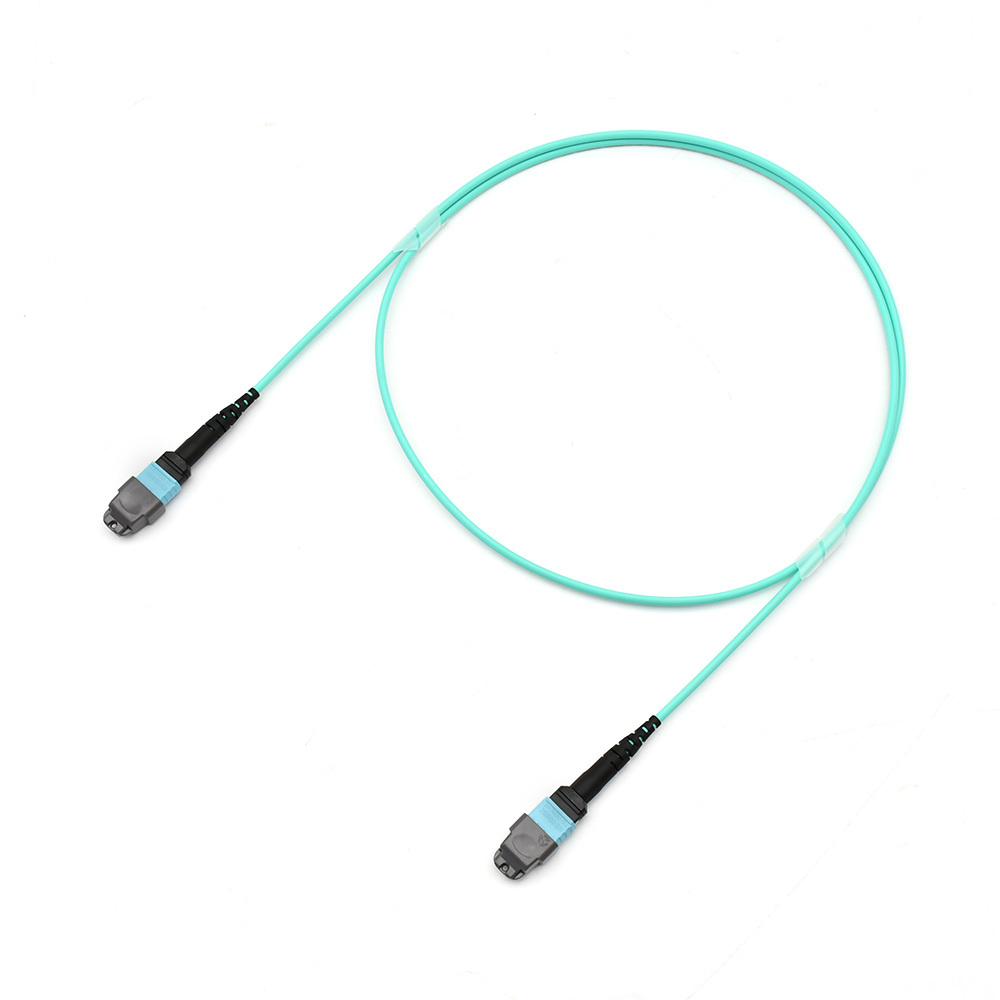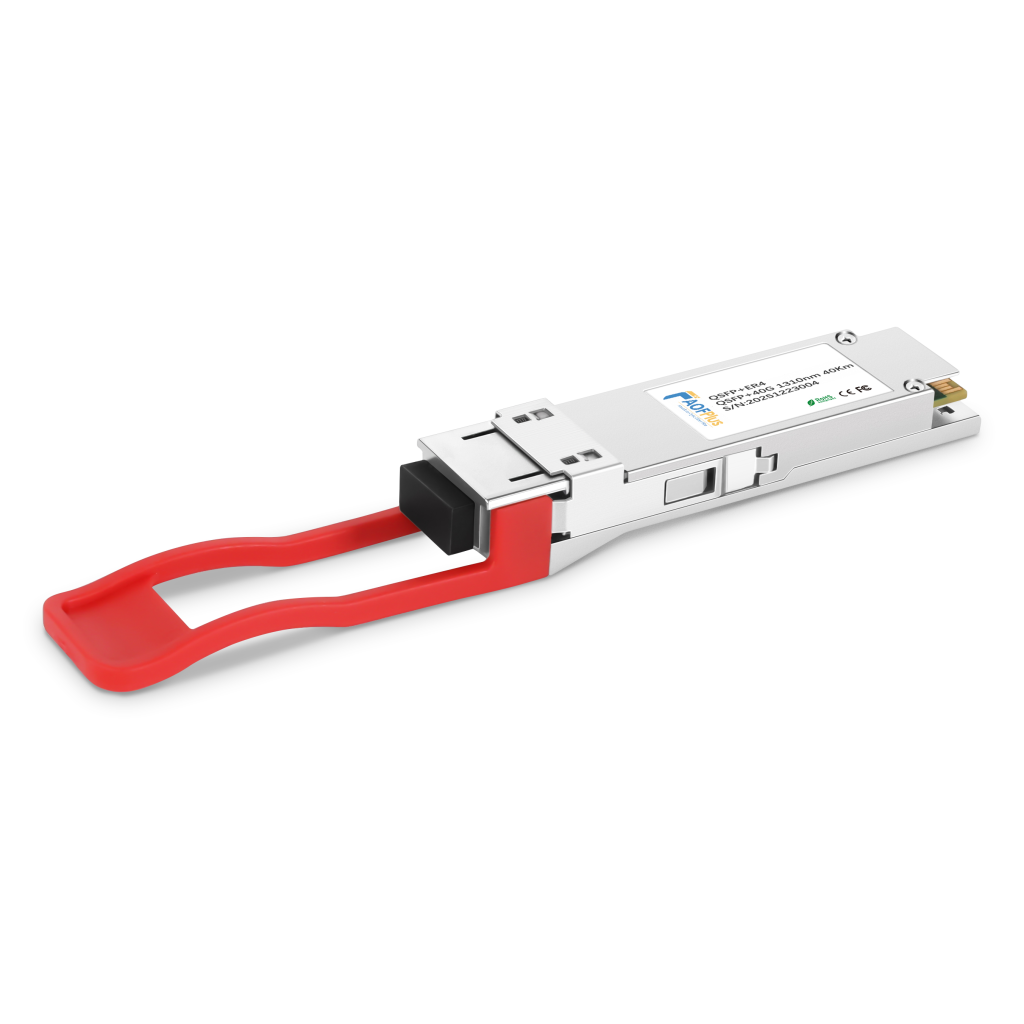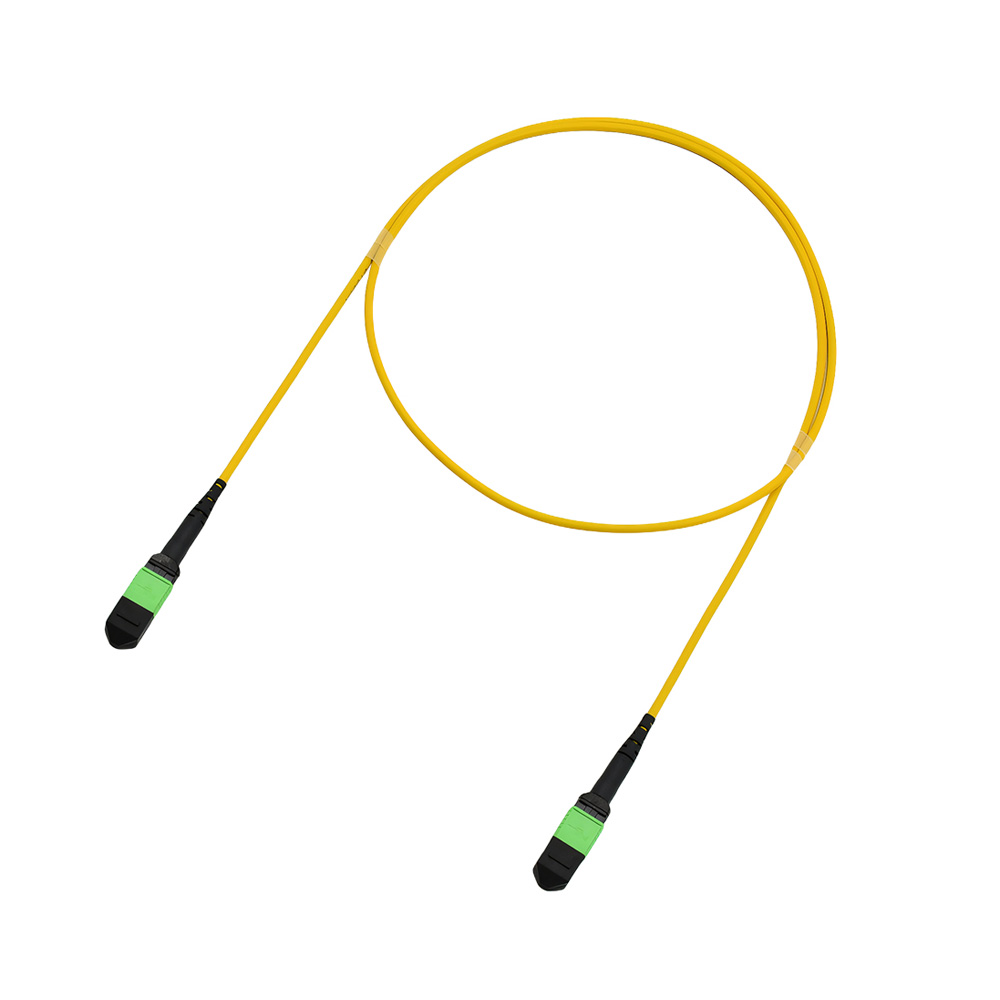
LC fiber optic patchcords are small, high-density connectors crucial for data centers, providing reliable, low-loss links for 10G, 40G, 100G, and beyond by connecting switches, servers, and storage, utilizing multimode (OM3/OM4/OM5) or singlemode (OS2) fibers with bend-insensitive designs for efficient, high-bandwidth data transfer in compact spaces.
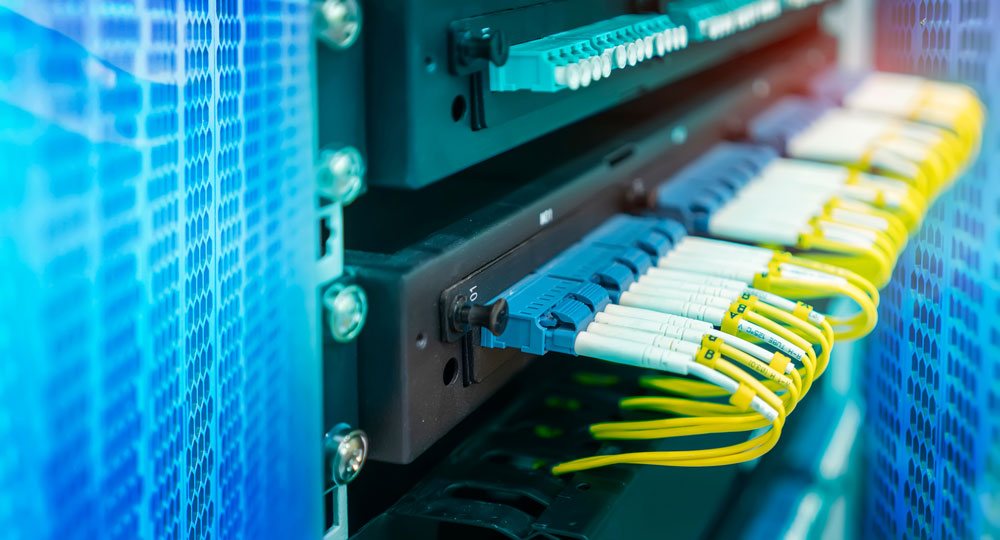
10 Gigabit Transmission: Key Support for Data Transmission
LC fiber optic patchcords support 10 Gigabit Ethernet (10Gbps) and higher speeds, meeting the real-time exchange needs of massive data within data centers. Taking a financial trading system as an example, single transaction data needs to be transmitted across servers within milliseconds. LC optical patch cord, with their low insertion loss (≤0.3dB) and high return loss (APC end face ≥65dB), ensure that the signal experiences virtually no attenuation during transmission, preventing transaction failures due to latency.
In Storage Area Networks (SANs), LC fiber optical patch cords are commonly used to connect storage arrays to core switches. For example, a large bank’s data center uses single-mode LC fiber patch cables to achieve 10-kilometer transmission without repeaters, controlling the latency between storage devices and computing nodes to within 50 microseconds, supporting tens of thousands of concurrent transactions per second.
Multimode vs. Single-mode
LC fiber patch cables are divided into two main types: multimode and single-mode, adapting to different transmission needs. Multimode LC fiber patchcords have a core diameter of 50/62.5 micrometers and are suitable for short-distance (within 500 meters) high-speed transmission. Within data center racks, multimode fiber optical patch cords provide cost-effective high-speed interconnection between servers and access layer switches. For example, a certain internet company’s data center uses OM3 multimode fiber patch cables, supporting 40Gbps transmission rates to meet the high-bandwidth demands of video streaming and online gaming.
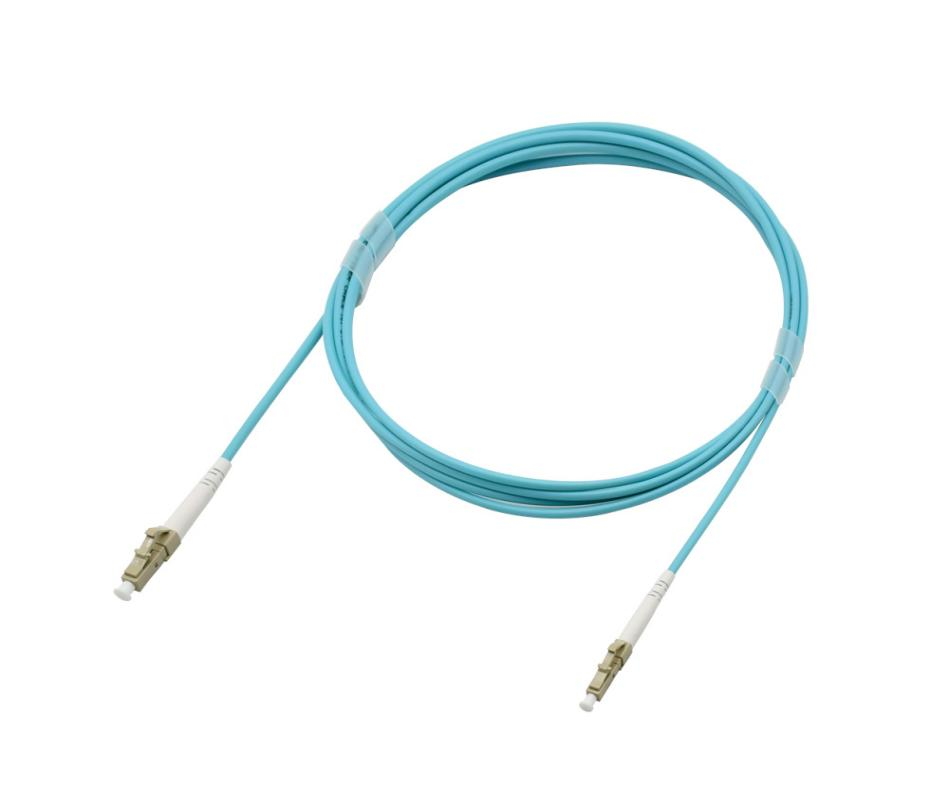
Single-mode LC fiber optic patchcords have a core diameter of 9 micrometers and support long-distance (10-40 kilometers) low-loss transmission. In metropolitan area network core node connections, single-mode optical patch cords, through DWDM (Dense Wavelength Division Multiplexing) technology, achieve parallel transmission of 80 channels on a single fiber, with a total bandwidth of up to 8Tbps, supporting high-traffic applications such as intercity high-definition video conferencing and telemedicine.
Future Trends: Evolution Towards Higher Density And Intelligence
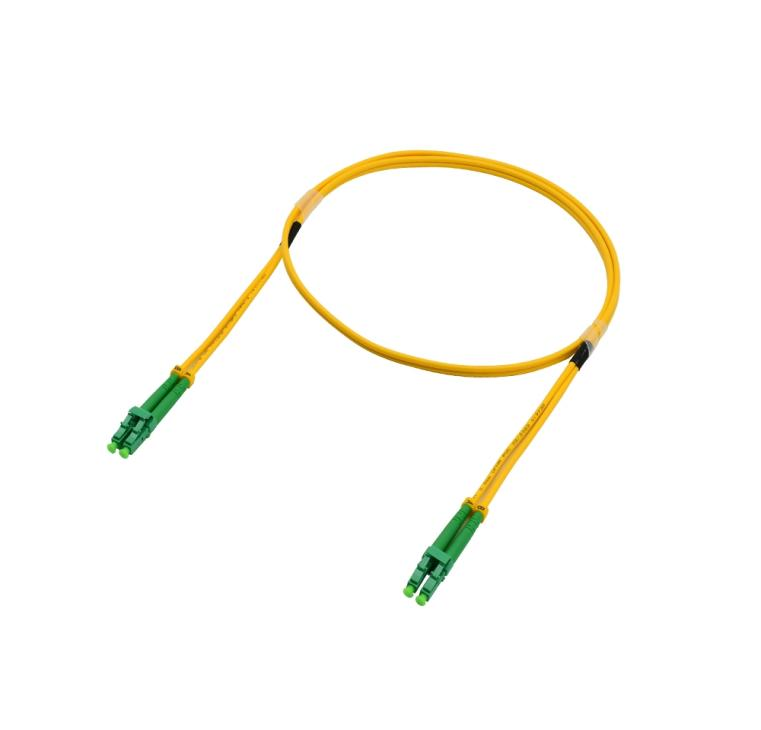
With the advancement of 800G/1.6T Ethernet standards, LC fiber optical patch cords are evolving towards higher density and intelligence. For example, LC Uniboot optical patch cords reduce cabling space by 50% through a dual-fiber single-tube design, while also supporting polarity reversal functionality, allowing for quick adjustment of transmission and reception directions without tools. Furthermore, intelligent fiber optical patch cords with integrated temperature sensors are beginning to be used in supercomputing centers, enabling real-time monitoring of connection status and providing early warnings of potential failures.
Conclusion
LC fiber optic patchcords are indispensable in the digital infrastructure of modern data centers, providing reliable, high-speed connectivity that meets the growing demands of cloud computing, big data, and artificial intelligence. Their ability to support 10 Gigabit and higher transmission speeds, coupled with low signal loss and minimal latency, ensures seamless data flow for mission-critical applications like financial trading and large-scale data storage. The flexibility of multimode and single-mode patch cords allows for tailored solutions based on distance and bandwidth requirements. As network speeds continue to rise, LC optical patch cords are advancing towards higher density, smarter functionality, and more efficient designs, ensuring they remain a key enabler of the next generation of high-performance, data-driven technologies.