Fiber optic networks rely on small parts that make a big difference. One of the most important parts is the connector. When you compare an LC vs SC fiber connector, you start to see how design, size, and usage can affect your setup. Both connectors are widely used in fiber optic systems, but they serve different needs. Some setups require higher density and compact designs, while others focus on durability and easy handling.
In many modern networks, LC connectors are common because they save space and work well in data centers. SC connectors, on the other hand, are known for their simple push-pull design and strong performance in standard networks. Choosing between LC and SC connectors depends on your environment, equipment, and long-term goals.
In this blog post, we’ll break down the LC vs SC fiber connector comparison in a clear and practical way so you can make the right choice.
What Is a Fiber Optic Connector?
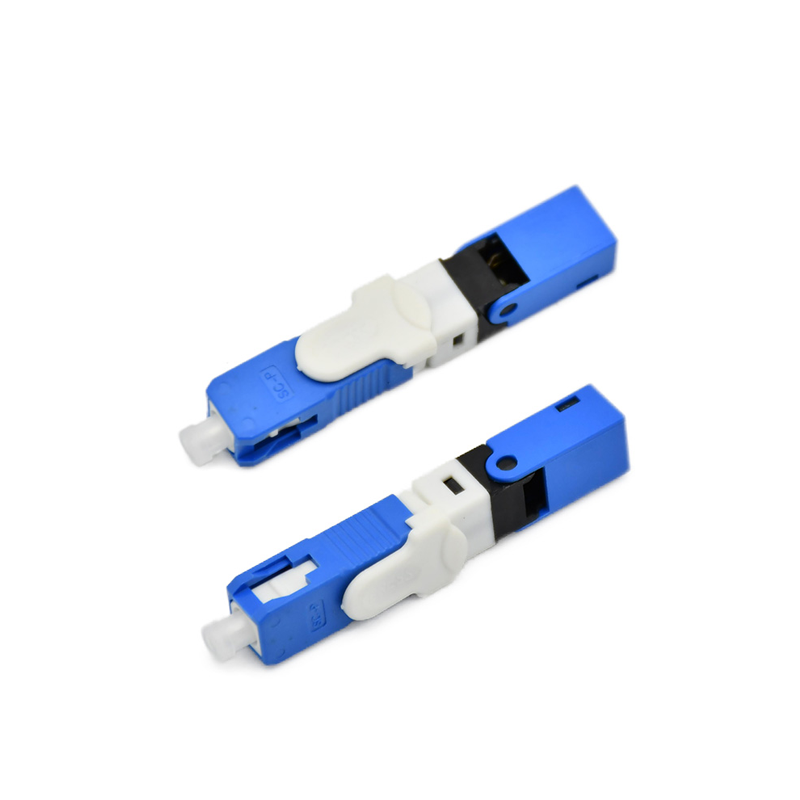
A fiber optic connector is a small device that joins two fiber optic cables together. It helps light signals travel smoothly from one cable to another without losing strength. These connectors play a key role in keeping your network fast and stable.
Inside the connector, there is a tiny part called a ferrule. It holds the fiber in place and keeps it aligned with high precision. Even a small misalignment can cause signal loss, so the connector must fit perfectly.
You’ll find fiber connectors in many setups like data centers, telecom networks, and office systems. Common types include LC, SC, ST, and more. Each type has a different design and locking style, but they all serve the same purpose.
When you understand how fiber optic connectors work, it becomes easier to compare options like LC vs SC fiber connector and choose the right one for your setup.
What Is an LC Fiber Connector?
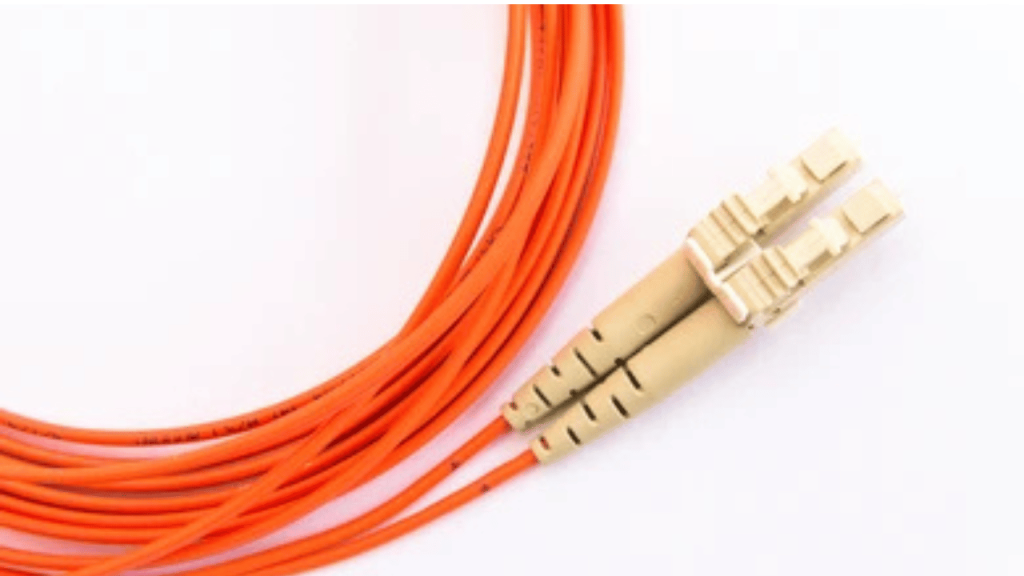
An LC fiber connector is a small, high-density connector used in fiber optic networks. It uses a 1.25 mm ferrule, which is half the size of older connectors like SC. This compact design lets you fit more connections in a smaller space.
The LC connector uses a latch mechanism that clicks into place, similar to a phone or Ethernet cable. This makes it easy to plug in and remove while keeping a secure connection.
You will often see LC connectors in modern data centers, servers, and high-speed network equipment. They work well in environments where space matters and many connections run side by side.
When comparing an LC vs SC fiber connector, LC stands out for its smaller size and better port density. It is a common choice for today’s high-performance fiber networks.
What Is an SC Fiber Connector?
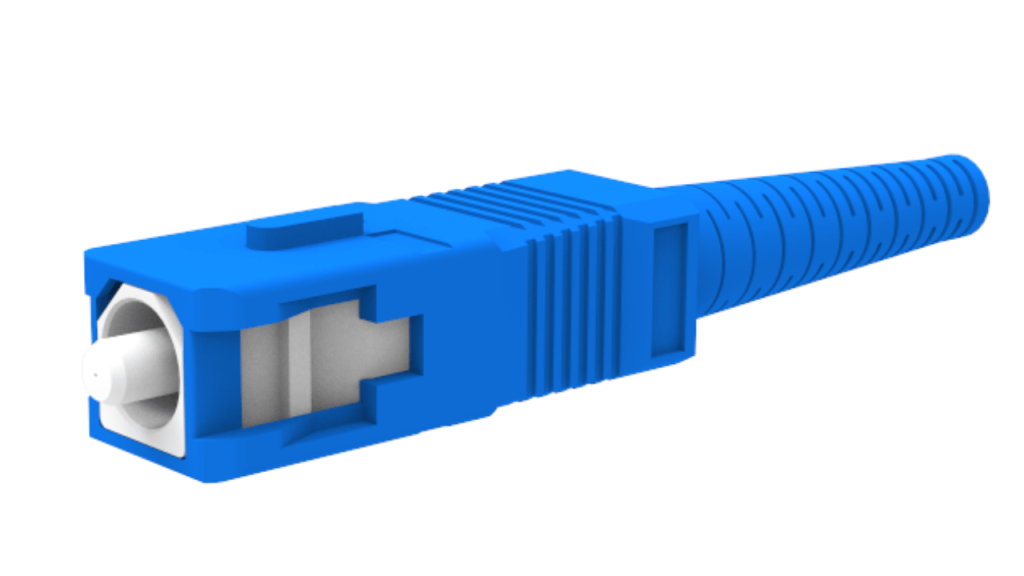
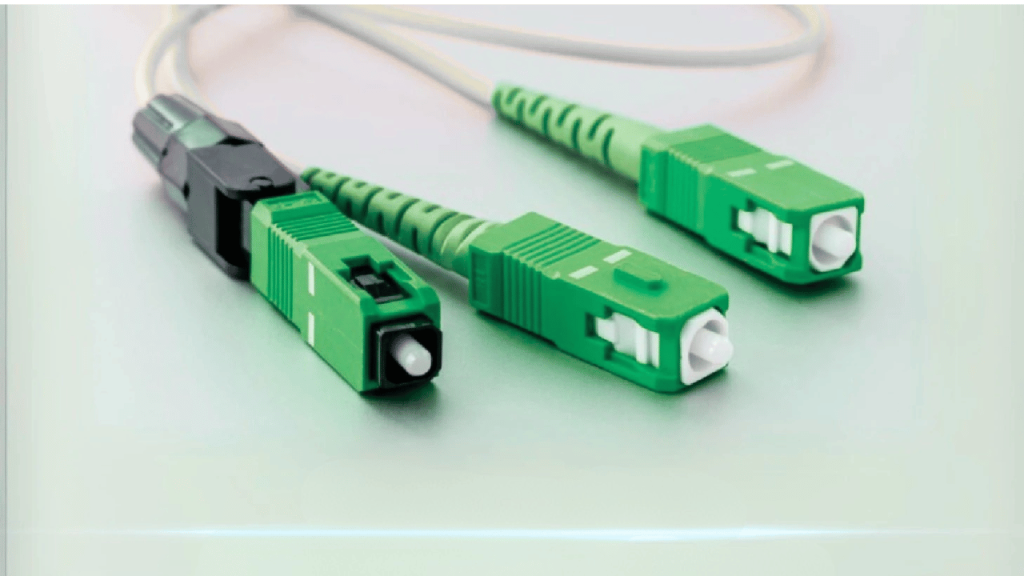
An SC fiber connector is a widely used fiber optic connector known for its simple design and reliable performance. It uses a 2.5 mm ferrule, which is larger than LC, and this gives it a strong and stable connection.
The SC connector works with a push-pull locking mechanism. You can plug it in easily, and it snaps firmly into place. This design makes it quick to install and remove without needing extra tools.
You will often find SC connectors in telecom networks, broadband connections, and older fiber installations. They perform well in setups where space is not limited and durability matters more than compact size.
When comparing an LC vs SC fiber connector, SC stands out for its ease of use and solid build. It remains a reliable choice for many standard fiber optic applications.
LC vs SC Fiber Connector: Key Differences
| Feature | LC Fiber Connector | SC Fiber Connector |
| Ferrule Size | 1.25 mm (smaller) | 2.5 mm (larger) |
| Connector Size | Compact and space-saving | Bigger and bulkier |
| Locking Mechanism | Latch (clip-style, like Ethernet) | Push-pull snap-in |
| Port Density | High (fits more ports in less space) | Low (takes more space) |
| Common Use | Data centers, servers, high-speed networks | Telecom, broadband, legacy systems |
| Performance | High performance, supports modern networks | Reliable, similar performance |
| Ease of Use | Slightly delicate due to small size | Easier to handle and install |
| Cost | Slightly more expensive | Usually more affordable |
| Durability | Good, but smaller build | Strong and durable |
| Typical Setup | Duplex (two fibers in one connector) | Simplex or duplex |
LC vs SC fiber connector Which One Performs Better?
When comparing LC vs SC fiber connector performance, the difference is not as big as many people think. Both connectors deliver strong and stable signal transmission when installed correctly. The real difference comes down to how and where you use them.
Here are some of the performance differences:
Speed and Bandwidth
Both LC and SC connectors support high-speed data transfer. They work with single-mode and multimode fiber, so performance stays similar in most networks. You won’t see a major speed difference just because of the connector type.
Reliability and Durability
SC connectors have a slight edge in durability. Their larger size makes them easier to handle and less likely to get damaged during installation. LC connectors are smaller, so they need a bit more careful handling, especially in busy setups.
Density and Efficiency
This is where LC connectors perform better. Their compact size allows more connections in a smaller space. In data centers and modern network racks, this makes a big difference. You can manage more ports without crowding.
Maintenance and Handling
SC connectors are easier to plug and unplug due to their push-pull design. LC connectors use a latch, which is secure but can be a bit tricky in tight spaces.
Can You Use LC and SC Fiber Connectors Together?
Yes, you can use LC and SC fiber connectors together. You just need the right type of connection method. Since both connectors have different sizes and designs, they don’t plug directly into each other.
LC to SC Adapters
The easiest way is to use an LC to SC fiber adapter. This small device lets you connect an LC connector on one side and an SC connector on the other. It keeps the fiber aligned so the signal passes through without major loss.
Hybrid Fiber Patch Cables
Another common option is a hybrid fiber cable. This cable has an LC connector on one end and an SC connector on the other. It’s a simple plug-and-play solution and works well in most setups.
Things to Keep in Mind
Make sure both connectors use the same fiber type, either single-mode or multimode. Also check polishing types like UPC or APC to avoid signal issues. If everything matches, the connection will work smoothly.
Final Thoughts
Choosing between an LC vs SC fiber connector comes down to your setup and long-term needs. Both connectors offer strong performance and reliable connections. LC works best in modern, high-density environments where space matters. SC is a solid choice for simple setups where durability and ease of use are more important. When you understand your network requirements, the decision becomes much easier.
At AOF Plus, we help businesses and professionals find the right fiber optic solutions for their projects. We offer a wide range of fiber optic cables, connectors, transceivers, and networking accessories built for performance and reliability. Whether you’re upgrading a data center or setting up a new network, our team focuses on quality products and practical solutions that fit your needs.
If you’re looking for reliable fiber optic equipment, explore our collection and get the right tools for your setup with AOF Plus.