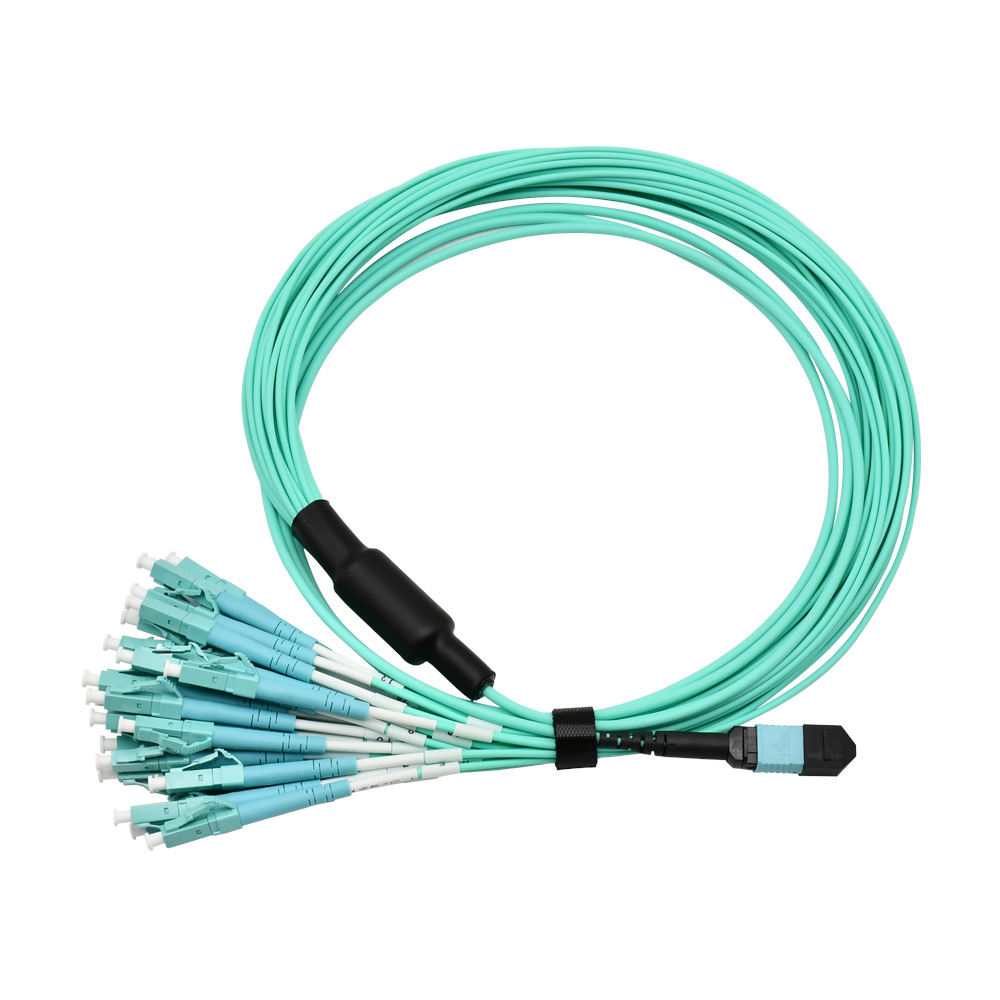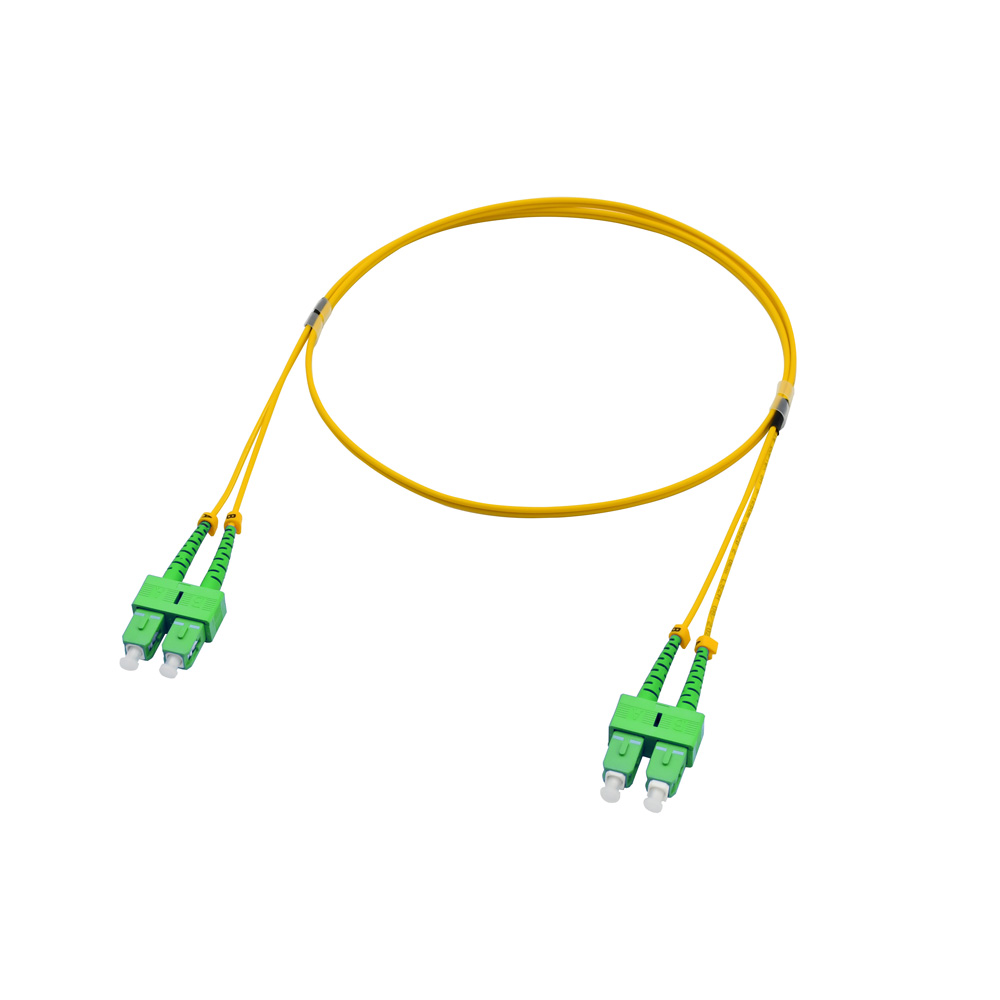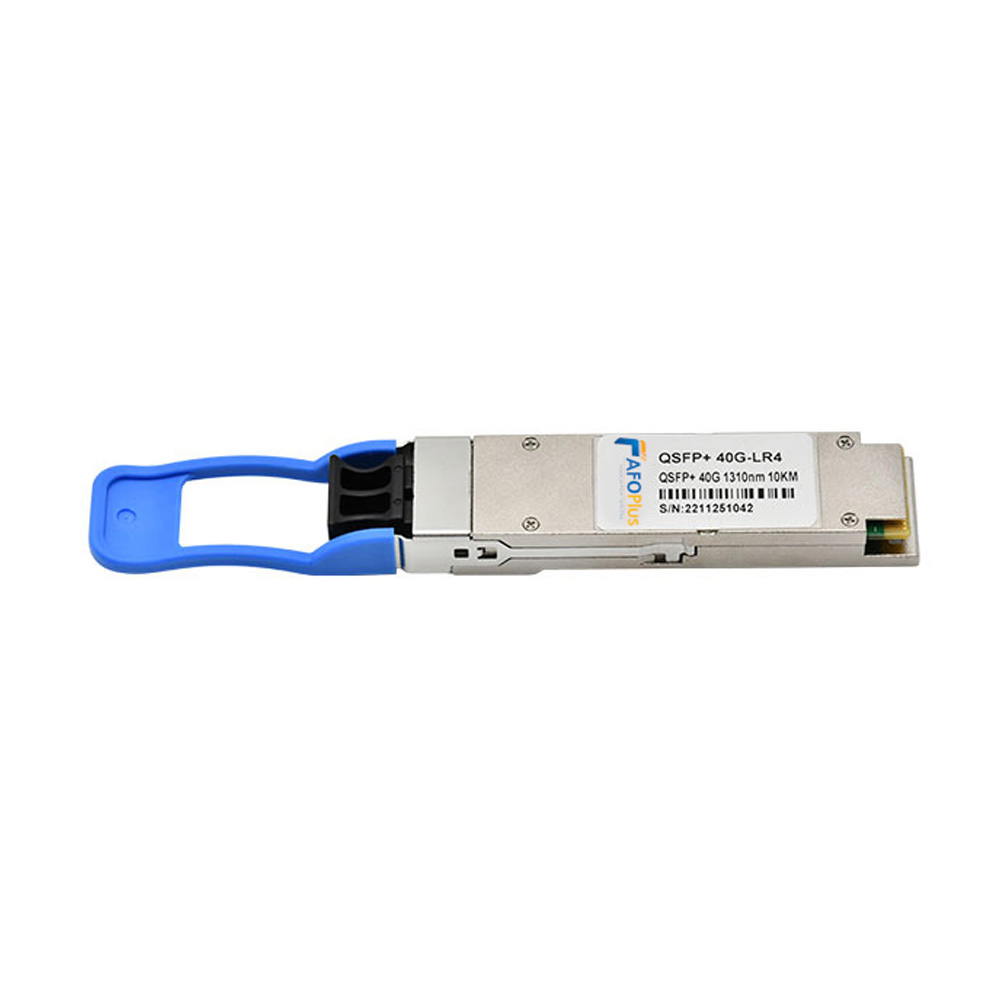
Transceiver part codes typically consist of a series of technical and logical factors related to a specific optical transceiver. They usually begin with the transceiver’s form factor, such as SFP transceiver, QSFP transceiver, etc. A key set of letters in the part code is determined by the transceiver standard that the module adheres to. Several standards have been defined, which are related to transmission distance.
These parameters are indicated by abbreviations at the end of the optical transceiver model description. For example, 10G SFP+ CWDM LR, where “LR” stands for “Long Reach,” meaning that in this case, the transceiver has a maximum transmission distance of 10 kilometers at a 10G data rate.
There are many different abbreviations, and we will introduce the most common ones.
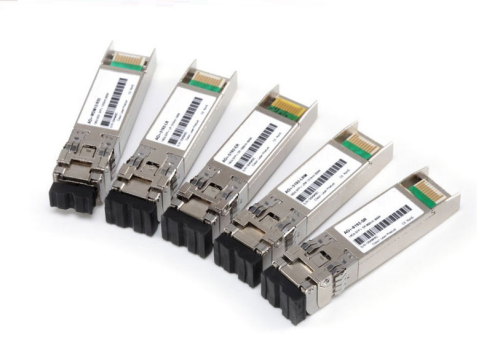
Specific Standards for 1G Transceivers
The IEEE has established standards for transceivers with data rates up to 1 Gbps, including:
SX, FX, LX, EX, ZX
SX—Short Wavelength — These transceivers are optimized for transmission over multimode fiber (MMF) at an 850 nm wavelength, with a transmission distance of up to 550 meters, making them suitable for local area network and data center applications.
FX – Fast Ethernet — It refers to an Ethernet network standard whose transceivers modules are designed for short-distance transmission at 100 Mbps within a local area network.
LX – Long Wavelength — LX fiber optic transceivers operate in the 1310 nanometer long-wavelength range, transmitting data over single-mode fiber, typically supporting transmission distances of up to 10 kilometers. They are widely used in various network environments, including data centers, enterprise networks, and telecommunications.
EX – Extended Wavelength — EX fiber optic transceivers operate over single-mode fiber at different wavelengths, and standards vary among different vendors, but they typically use a 1310 nanometer wavelength and can transmit over distances up to 40 kilometers.
ZX – Also known as “Extended Wavelength” — These devices are optimized for long-distance transmission over single-mode optical fibers at a wavelength of 1550 nm, covering distances up to 80 kilometers, and are widely used in long-haul telecommunications networks, metropolitan area networks, and other applications.

High-speed Transceiver Range Standards
The abbreviations SR, LR, ER, FR, DR, LRM, and ZR/ZR+ refer to the transmission distances achievable by high-speed transceivers modules. SR, LR, and ER are defined by IEEE, while DR and FR are defined by the MSA vendor consortium to ensure compatibility.
Similar to the naming convention for SFP transceivers, SR stands for short-range transceivers, LR for long-range transceivers, and ER and ZR represent ultra-long-range transceivers.
SR – Short Range – These fiber optic transceivers are designed for short-distance transmission, operating at an 850 nm wavelength over multimode fiber with transmission distances up to 550 meters (OM2) and 300 meters (OM3/OM4), making them ideal for low-latency and high-bandwidth applications within racks or data centers.
SR4 – Short Range 4 channel – Primarily used in 40G and 100G applications, it has a maximum transmission distance of 100 meters using multimode fiber at a wavelength of 850 nm.
SR8 – Short Range 8 channel – These transceivers support 8*50G channels, enabling 400G data transmission rates over OM4 multimode fiber. They have a transmission distance of up to 100 meters and are suitable for data centers, cloud computing, and big data applications.
LR – Long Range Transceivers – These products are optimized for long-distance transmission of 10 to 40 kilometers, using single-mode fiber optic cables with a wavelength of 1310 nanometers, and are used for inter-rack connections, inter-building connections, and metropolitan area network connections.
LR4 – Long Range 4 Channels – This transceiver is designed for applications with transmission distances up to 10 kilometers. It converts 4*25G channels into optical signals and transmits them over a single 100G optical fiber.
LR4 – 20 – The long-distance transceiver can transmit 4*25G channels over 100G single-mode fiber, with a transmission distance of up to 20 kilometers.
LR8 – Long Range 8 Channels – These transceivers are designed to transmit 8*50G channels over single-mode fiber, achieving a total data rate of up to 400G and a transmission distance of up to 10 kilometers.
ER – Extended Range – transceivers are designed for applications requiring transmission distances exceeding those of LR transceivers. ER transceivers can achieve transmission distances of 40 to 80 kilometers over single-mode fiber at a wavelength of 1550 nm. They are used in metropolitan area networks and long-haul telecommunications, supporting data rates from 40G to 100G.
ER4 – These transceiver modules transmit data over single-mode optical fiber using DWDM technology across four channels (1295 nm, 1300 nm, 1305 nm, and 1310 nm), with a transmission distance of up to 40 kilometers.
ER8 – The extended-reach transceiver module is designed to transmit 400G data over dual-core single-mode optical fiber, with a transmission distance of up to 40 kilometers, utilizing 8*50G channels.
ZR/ZR+ – ZR stands for “Zero Dispersion Shift Range” and is designed for 100G long-distance connections. It can be used for connections between cities and different regions, with a transmission distance of up to 80 kilometers (ZR+). Some of the latest transceivers, such as the 400G QSFP-DD ZR+, can achieve transmission distances of up to 480 kilometers.
You May also Come Across the Following Designations:
DR – Double Reach – These transceivers can support both short-range and long-range transmission within a single module. They provide a flexible and cost-effective solution for network expansion and optimization, allowing a single type of transceiver to be deployed throughout the entire network. Data rates range from 10G to 400G (DR4).
FR – Far Reach – Compared to LR transceivers, these transceivers are optimized for longer transmission distances, enabling transmission ranges of 100 kilometers to several hundred kilometers over single-mode fiber. They are suitable for long-haul telecommunications and other long-distance applications.
We also offer other types of transceiver standards. For more information, please visit our website at https://aofplus.com/ to view transceiver specifications.