The operating temperature of an optical transceiver is a key factor directly determining its performance stability and service life. Both too high and too low temperatures can impact optical transceivers, undermining their operational reliability and long term usability. In this article, let’s explores the specific effects of extreme temperatures on fiber optic transceivers as well as the causes.
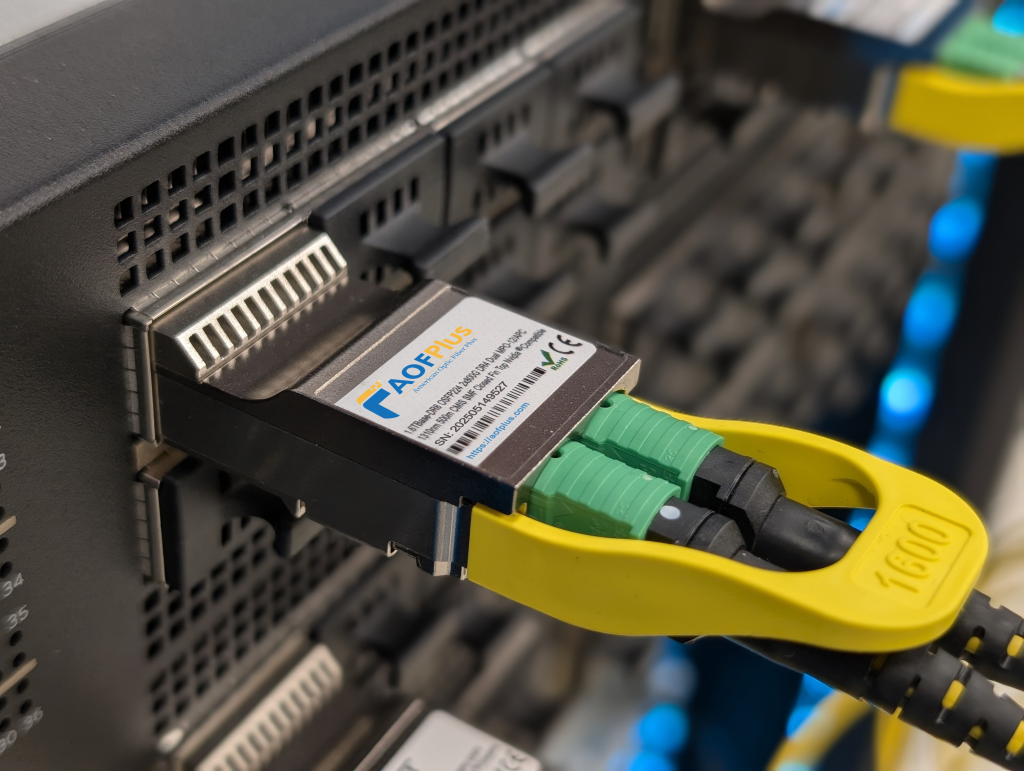
Effects of Optical Transceiver Runs Too Hot
Elevated operating temperatures are a common issue for fiber transceivers, as they can disrupt the normal operation of internal components and cause a series of negative effects. Below are the key consequences of overheating in transceivers:
Increased Power Consumption
When an transceiver module works in high-temperature surroundings, its power use will go up significantly. High heat makes it harder for internal parts to dissipate heat well, and more heat builds up as electric current flows through the module. This not only makes the optical transceiver consume more power, but also pushes up its internal temperature further. It creates a vicious cycle that can eventually cause overheating and permanent thermal damage to the optical transceiver.
Increased Failure Rate
High temperatures have a significant impact on the lifespan of optoelectronic components. High temperatures accelerate material aging and thermal failure in optical transceiver, leading to changes or damage to the electrical and optical properties of some components. This increases the failure rate of optical modules and shortens their lifespan over long term use.
Optical Performance Degradation
Under high temperature environments, some important optical properties of optical transceiver may undergo irreversible changes. For example, the transmit power and receive sensitivity of the optical module may decrease, while noise and distortion may increase, leading to a deterioration in transmission quality. This is highly detrimental to optical communication and optical network applications that require high precision and high reliability.
Defocusing and Misalignment
In high-temperature environments, the components of fiber optic transceivers may lose their original calibration and positioning due to thermal expansion and contraction of materials. This can cause the transceiver module’s optical path to become defocused or misaligned, preventing optical components from functioning as intended. This issue is especially severe for optical transceivers requiring high precision alignment, such as fiber transceivers and optical switches.
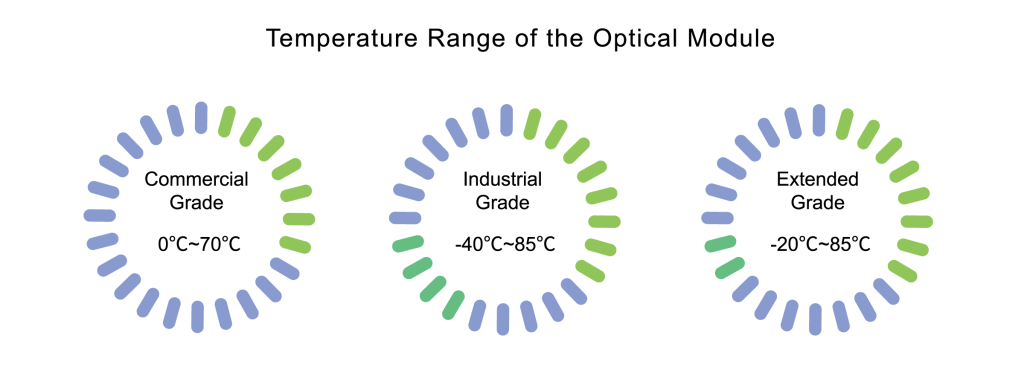
Effects of Optical Transceiver Runs Too Cool
While low temperatures are less common in practical applications, they can also affect the performance and service life of fiber optic transceivers. The following are the main effects of low temperature on optical transceivers:
Degraded Optical Performance
In low temperature environments, some optical properties of optical transceiver may change, such as decreased transmit power and receive sensitivity, increased noise and distortion, and deteriorated transmission quality. This is mainly because low temperatures alter the mechanical and electrical properties of materials, thus affecting the performance of optical components.
Increased Taper Effect
In low temperature environments, the transmitting and receiving components of an optical module may change due to material shrinkage. This can cause the optical path of the optical transceiver to become out of focus or shift, preventing the optical components from achieving their expected performance. This is particularly prone to occur in low temperature environments, and the problem is more severe for optical transceiver requiring high precision alignment.
Material Embrittlement and Fracture
In low-temperature environments, some materials become more brittle, making them prone to cracking and fracture. This can damage the components and packaging of the optical module, thus affecting its performance and lifespan.
Reasons for too Hot or too Cool Operating Temperature of Optical Transceiver Ambient Temperature
Ambient temperature is one of the most important factors affecting the operating temperature of transceiver. High temperatures or heat sources in the environment will cause the optical transceiver temperature to rise. Conversely, extremely cold environments or inadequate cooling measures will cause the optical transceiver temperature to drop too low.
Heat Dissipation Design
The heat dissipation design of the fiber transceiver directly affects its operating temperature. An inadequate heat dissipation system, such as an insufficiently large heatsink or an unreasonable heat dissipation method, will lead to excessively high module temperatures. Meanwhile, an overly powerful or unsuitable heat dissipation system will result in excessively low optical transceiver’s temperatures.
Circuit Design
The circuit design of the transceiver module also affects temperature. Excessive current or insufficient resistance in the circuit will cause the optical transceiver module to overheat, resulting in excessively high temperatures. Also, insufficient current or circuit breaks may lead to excessively low temperatures.
Operating Status
The temperature of the optical transceiver will vary under different operating conditions. For example, under high load conditions, the optical transceiver temperature is usually higher while under low load or intermittent operation conditions, the temperature is lower.
Conclusion
To ensure the stable and reliable operation of fiber optic transceivers, it is essential to reasonably select heat dissipation or heating measures based on the actual application environment. When choosing optical modules, match heat dissipation and temperature control to your application scenario. Monitor and adjust operating temperature properly to keep modules working within the proper range, so as to boost performance and service life. All AOFPlus’s optical transceivers employ professional and reliable DDM and DOM functions, enabling convenient monitoring of problems during operation.
As a professional and reliable optical transceiver supplier, AOFPLUS supplies a full range of compatible and high speed optical transceivers with stable signal transmission, low power consumption including 1.25G SFP, 10G SFP+, 40G QSFP+, 100G QSFP28, 200G QSFP56, 400G QSFP-DD transceivers. Please feel free to contact us if you have any required at sales@aofplus.com.