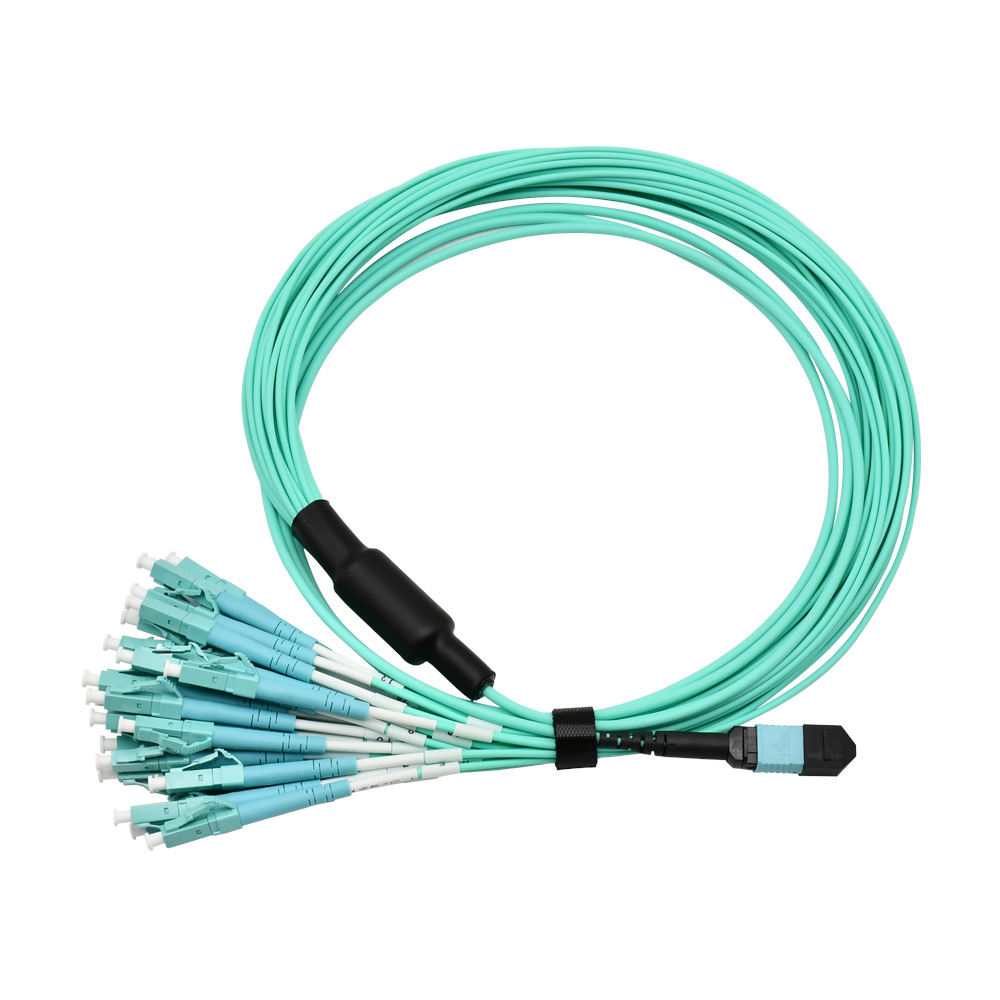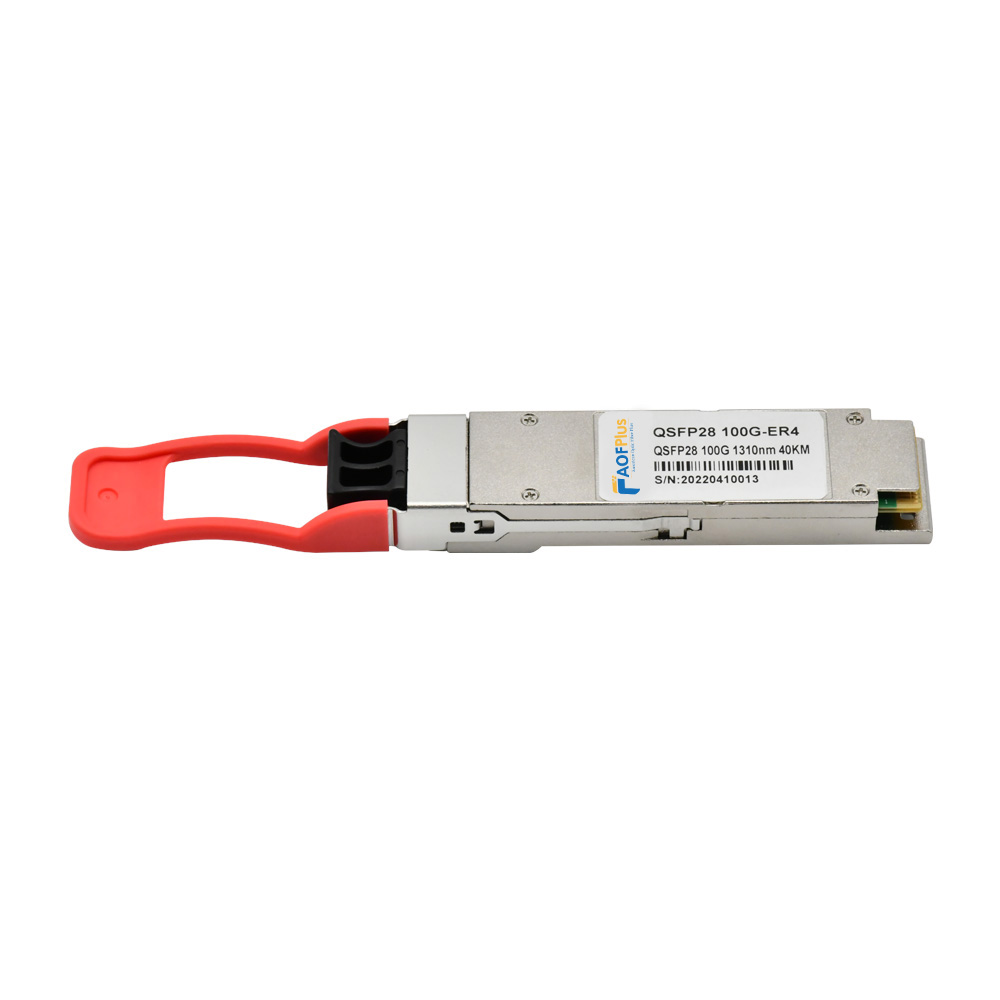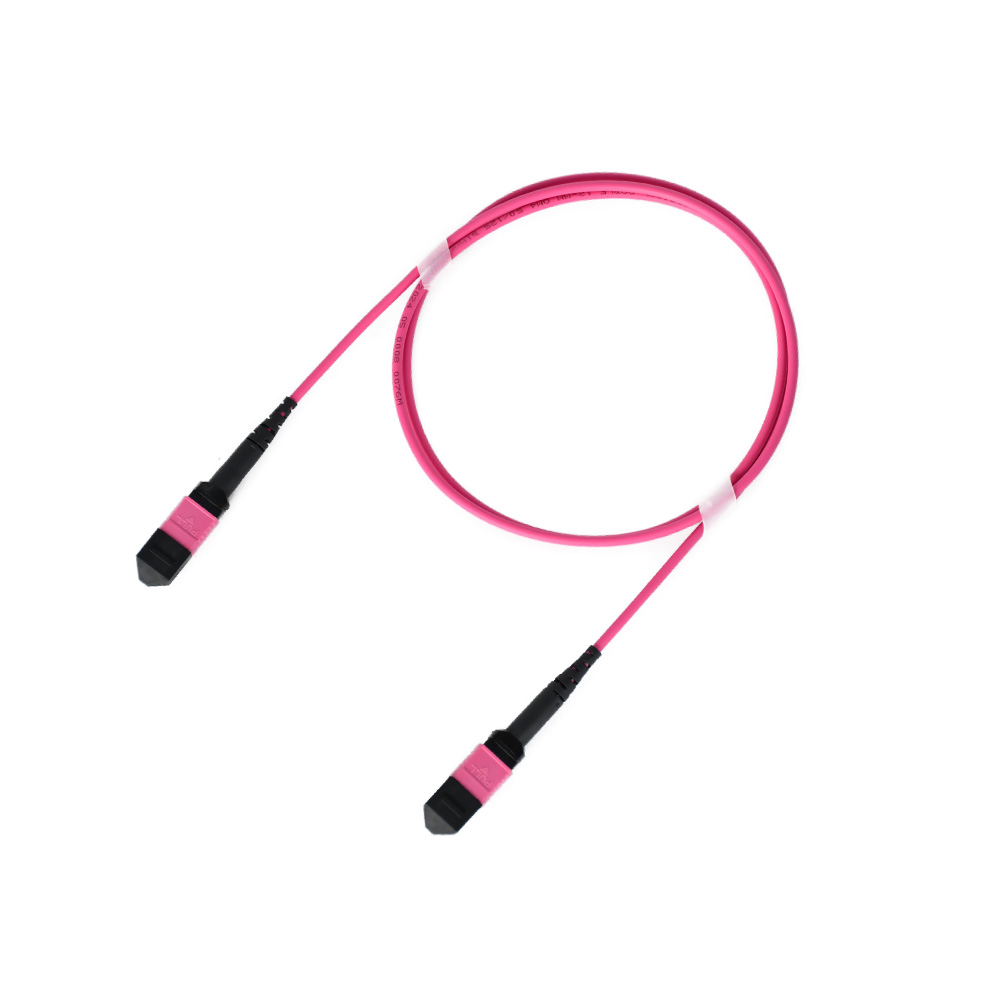
In the world of fiber optic connectivity, two popular types within fiber optic patch cords are MPO patch cord and LC patch cord, while both serve to connect fiber optic devices, they boast distinct characteristics that set them apart. Do you know what is the difference between MPO patch cord and LC patch cord? Let’s have a look.
Key Feature of MPO Patch Cord
MPO patch cord is designed for high density fiber optic connections. They feature a multifiber connector that can accommodate multiple fibers in a single plug. Here are some key features of MPO patch cord below:
High Fiber Count: MPO patch cord can house up to 8/12/16/24 or even more fibers, making them ideal for applications where a large number of connections are required in a limited space.
Space Saving: Due to their high fiber count, MPO patch cord helps reduce clutter and save space in data centers and other network environments.
Fast Installation: MPO patch cord is designed for quick and easy installation, reducing the time and effort required for cable termination.
Compatibility: MPO patch cord is compatible with a wide range of fiber optic equipment, including switches, routers, and fiber patch panels.
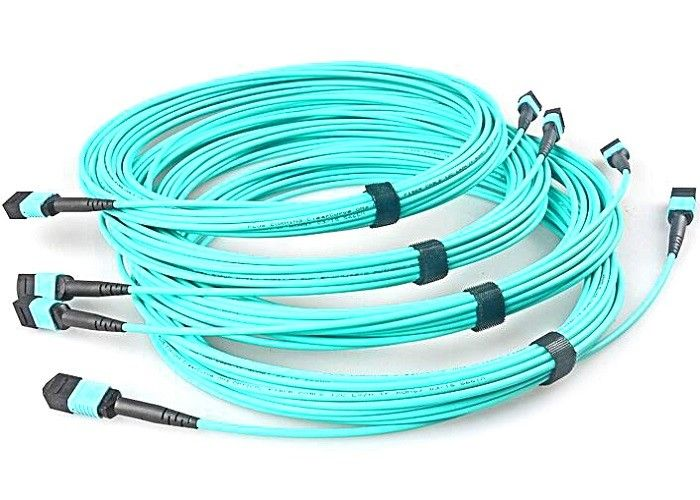
Key Feature of LC Fiber Patch Cord
LC fiber patch cord are known for their small size and versatility. They use a single-fiber connector or dul-fiber connector that is widely used in various fiber optic applications. Here are some characteristics of LC fiber patch cord:
Small Form Factor: LC connectors are among the smaller fiber optic connectors available, making them suitable for applications where space is limited.
Ease of Use: LC fiber patch cord is easy to handle and install, even in tight spaces. The LC fiber patch cord is also compatible with a wide range of fiber optic devices.
High Performance: LC connector offers excellent optical performance, with low insertion loss and high return loss.
Versatility: LC fiber patch cord can be used in a variety of applications, including enterprise networks, telecommunications, and data centers.
Key Differences between MPO and LC Patch Cords
Fiber Count
MPO patch cord has a higher fiber count, such as 8/12/16/24Core, allowing for more connections in a single cable. LC fiber patch cord is simplex and duplex, suitable for applications where only one or a few fibers are needed.
Installation Complexity
MPO patch cord may require specialized training for installation due to their multi-fiber design. LC fiber patch cord is relatively easy to install and can be terminated using standard tools.
Application Areas
MPO patch cord is commonly used in high density data center environments and for large-scale fiber optic deployments. LC fiber patch cord is widely used in enterprise networks, telecommunications, and other applications where single fiber connections are sufficient.
Conclusion
MPO patch cord and LC fiber patch cord have their own unique characteristics and are suitable for different applications. MPO patch cord offers high fiber count and space-saving advantages, making them ideal for high-density installations. LC fiber patch cord, on the other hand, are small, easy to use, and versatile, making them suitable for a wide range of applications. When choosing between MPO patch cord and LC fiber patch cord, it is important to consider the specific requirements of your network environment and the applications for which they will be used.